
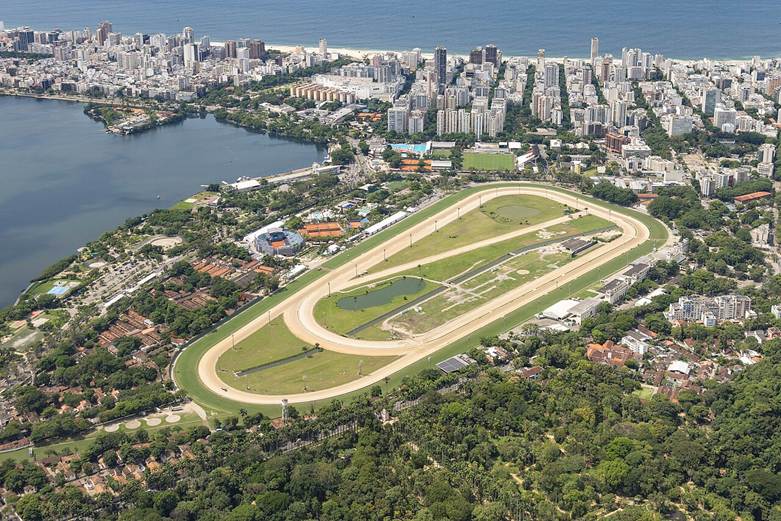
When it comes to horse racing, most of us immediately think of the northern part of America, but South America also shares a long history with the sport, and we can see that through their old racetracks.
As we check out some of the old racetracks in Buenos Aires, Rio and other places, we can see that horse racing has a history stretching back more than a century at several of these venues. The best thing about exploring old racetracks is that you can learn quite a lot about the sport’s history and get a better perspective on how things were run decades or even centuries ago.
On top of that, each track has its own traditions, major races, different surfaces, and offered different vibes. But which are some of the oldest horse racing tracks in South America?
Why the Track Matters When Making Racing Picks
Before we learn more about the oldest jewels of horse racing in South America, let’s talk more about the importance of a racetrack. On the surface, there isn’t much difference from track to track. This isn’t like F1 where every track has a different shape or form. Yes, the distance may vary but most of the old tracks have the same oval shape.
So, what makes each so special? Well, each racetrack is connected to the sport’s history and was responsible for spreading the horse racing magic. On top of that, we all know that horse racing events are tied with traditions, and each track offered different setting, different fashion, different events, making every event feel special.
Then we can talk about the surface, where a professional handicapper already knows the difference. Running on dirt isn’t the same as running on turf. A horse that’s good on turf can perform badly on dirt, and vice versa. Bettors know they really well.
That’s why analyzing horse racing picks requires more than checking which horse finished first in its last race. You need to look at the surface, distance, and previous performances under similar conditions.
For example, a horse with strong results on dirt at Palermo might be facing a completely different challenge on the turf at San Isidro. The horse’s running style and how it handles the distance also become important factors.
Bettors first look at the track, analyze it, then pick a horse with the attributes to perform well on that particular track.
Lastly, track conditions vary by location, season, and climate, and they matter for bettors and anyone looking to dive deeper into racing analysis.
This means that even though horse racing tracks in South America all looked similar, the architecture, cultural heritage, traditions, grandstand, past social events, and surface made each of them unique.
But which are the oldest and most popular racetracks?
Palermo: A Piece of Buenos Aires History
The Hipódromo Argentino de Palermo opened in 1876. Its grandstands were rebuilt in 1908 with French-inspired architecture, giving the course a look that’s closer to an old European landmark than a modern sports arena.
But Palermo isn’t just somewhere to admire the building. It hosts the Gran Premio Nacional, also known as the Argentine Derby, over 2,500 meters. The racecourse’s official event guide places it among the biggest occasions on the local calendar.
The Gran Premio Nacional runs on dirt, so it’s a good reminder that South American racing isn’t all about grass. When studying its form, don’t automatically assume a horse’s turf record tells the whole story.
San Isidro: Buenos Aires Has Another Giant
Palermo gets much of the attention, but it’s hardly the only major track around Buenos Aires.
The Hipódromo de San Isidro opened in 1935, north of the city, and has both turf and dirt tracks. Its signature event is the Gran Premio Carlos Pellegrini, a major 2,400-meter turf race.
That makes it an interesting contrast with Palermo. Same metropolitan area, different racing surfaces and different headline events.
If you’re comparing runners across the two venues, that distinction is worth more than the fact they’re both in Buenos Aires. A horse suited to Palermo’s dirt isn’t automatically suited to San Isidro’s grass.
Maroñas: Montevideo’s Racing Landmark
Cross the Río de la Plata to Uruguay and you’ll find the Hipódromo Nacional de Maroñas in Montevideo.
According to Maroñas’ own history, racing began on the site in 1874, when the early course was known as the Circo de Maroñas. Its grandstands and facilities developed over the following decades.
Today, Maroñas remains a central venue for Uruguayan Thoroughbred racing. The Gran Premio José Pedro Ramírez is one of its best-known fixtures.
There’s something appealing about a place where the sport has survived so many generations. Even if you’ve never followed a Uruguayan race, Maroñas is worth remembering when looking beyond the usual American and European tracks.
Gávea: Racing With a Rio Backdrop
Now for the most spectacular setting of the group.
Rio’s Hipódromo da Gávea has been the home of racing for the Jockey Club Brasileiro since 1932, according to the club’s history. Its historic buildings sit against a backdrop that includes views toward Christ the Redeemer.
The course is especially associated with the Grande Prêmio Brasil, held on turf over 2,400 meters. The Jockey Club’s roll of honor traces the event back to 1933.
There’s a practical detail here, too. In September 2026, the club reported that heavy rain forced major races from turf onto dirt, with some distances changing as well. That’s exactly why surface and condition deserve attention before making selections. A familiar horse can face a very different race overnight.
Final Thoughts
Palermo has the architecture and dirt-track tradition. San Isidro offers major turf racing, Maroñas carries Uruguay’s history, and Gávea brings racing into one of Rio’s most recognizable landscapes.
They each have their own personality and importance in the sport’s history; that’s for sure. And if there’s one thing these old tracks teach you, it’s that the venue matters almost as much as the horses running there.



Leave a reply