From the architecture to Chinese characters, everything is exotic at first to Westerners.
Wow, a red door! Actual Chinese people eating with chopsticks and biking around, sometimes both at once. Look at the size of these watermelons. And what the hell is that smelly fruit? Wait, is that a temple? I can smell the incense.
I’m sure Chinese people feel the same way in Europe, surrounded by bakeries, old buildings and churches.
And then, eventually, after twenty Buddhas—or twenty Jesuses pinned to crosses for our visitors—you get used to your new environment.
This is when it gets interesting. You’re wise enough to move past the obvious and curious enough to keep your eyes open, looking for the next thing that makes you go “wow” that isn’t a bathroom sign.
Here are three spots that, each for their own reason, stuck with me in Nanjing.
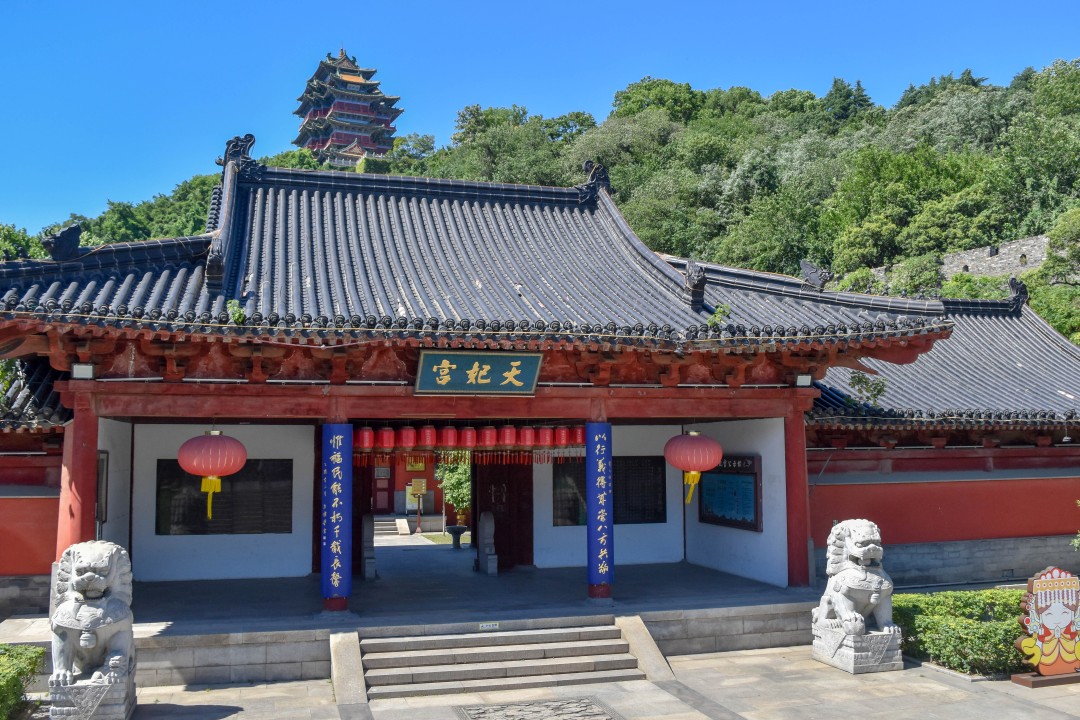
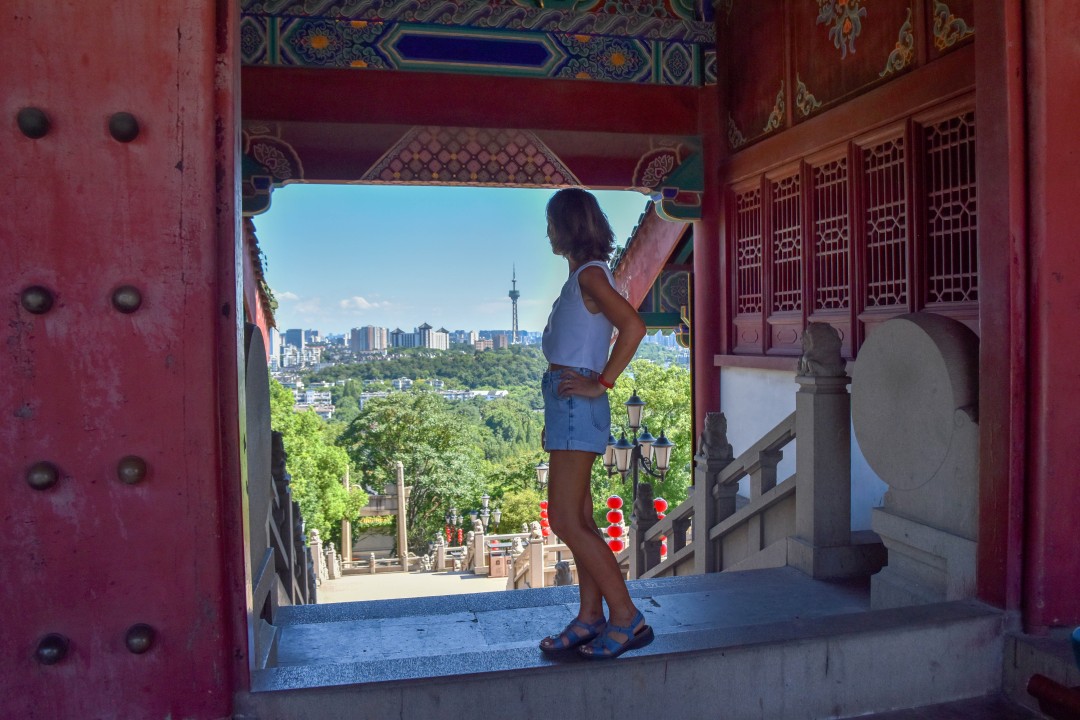
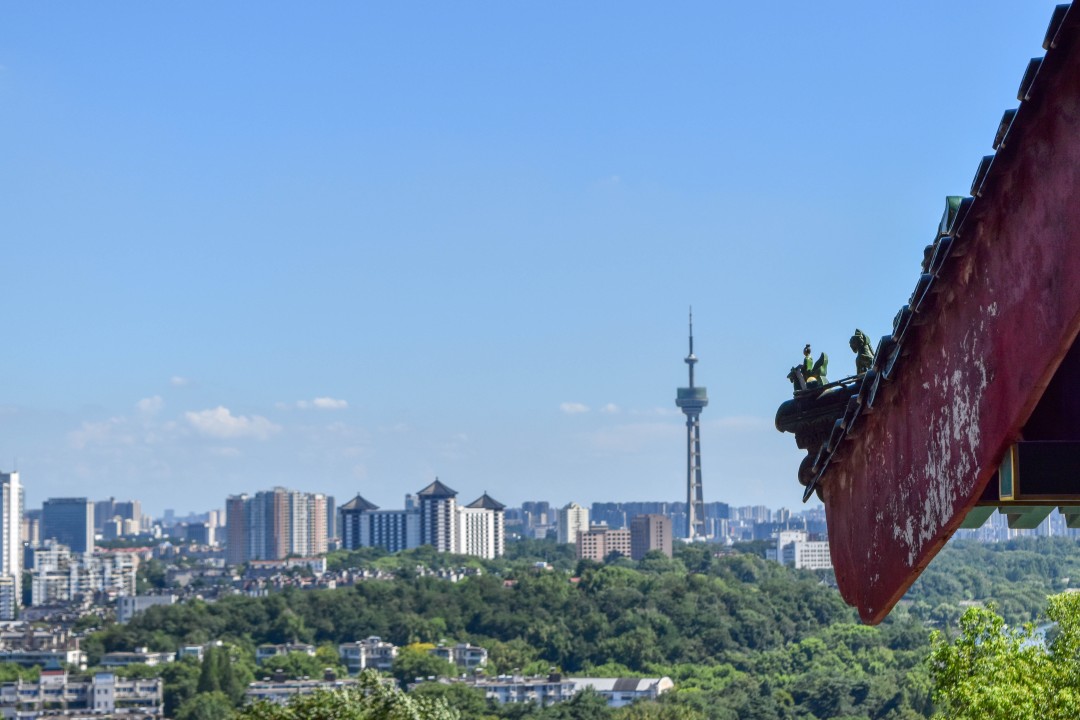
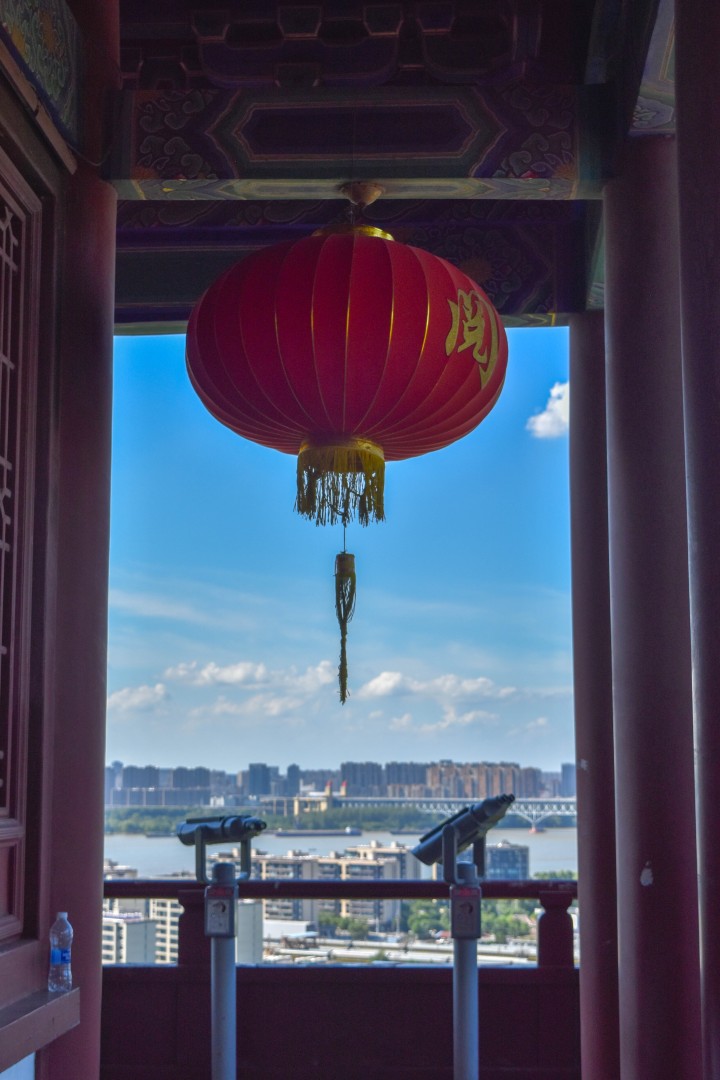
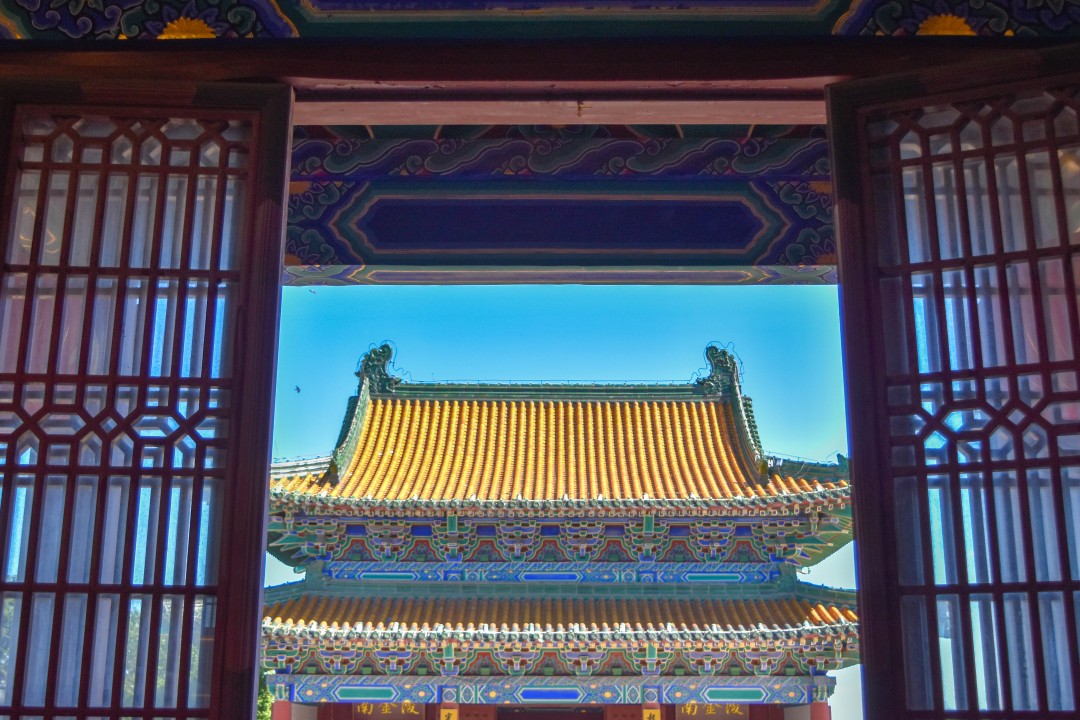
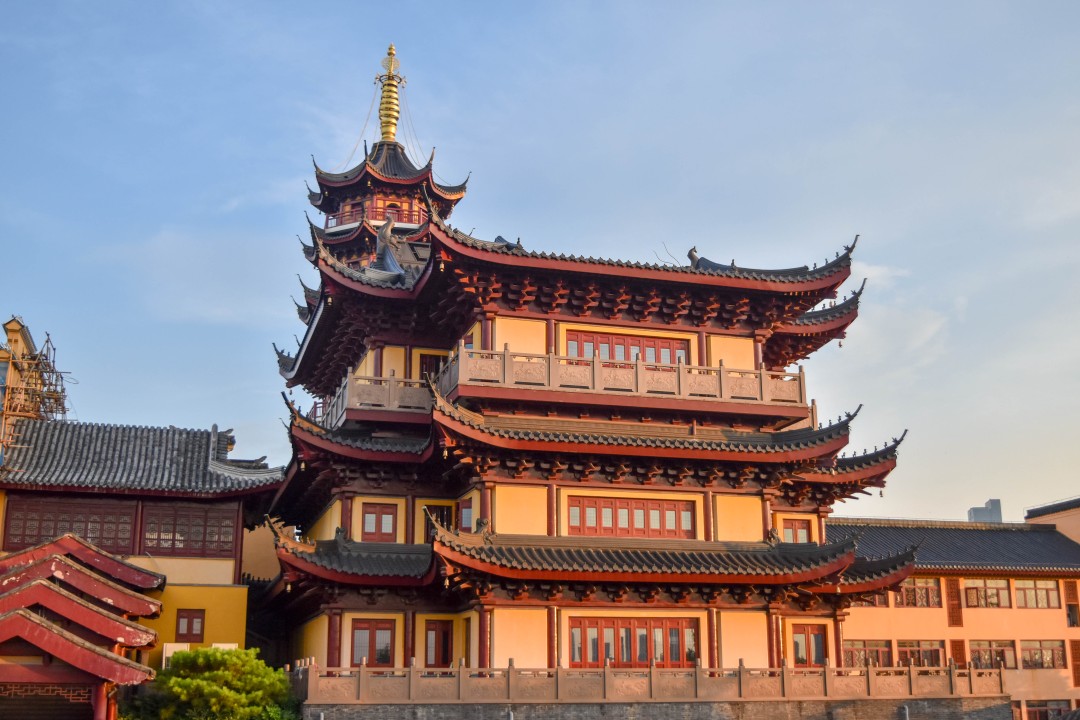
Yuejiang Tower (阅江楼, Yuèjiāng Lóu)
“Wanna go see the tower?”
Feng had spotted it somewhere on the map. Yeah, sure, I’ll go see a tower, why not.
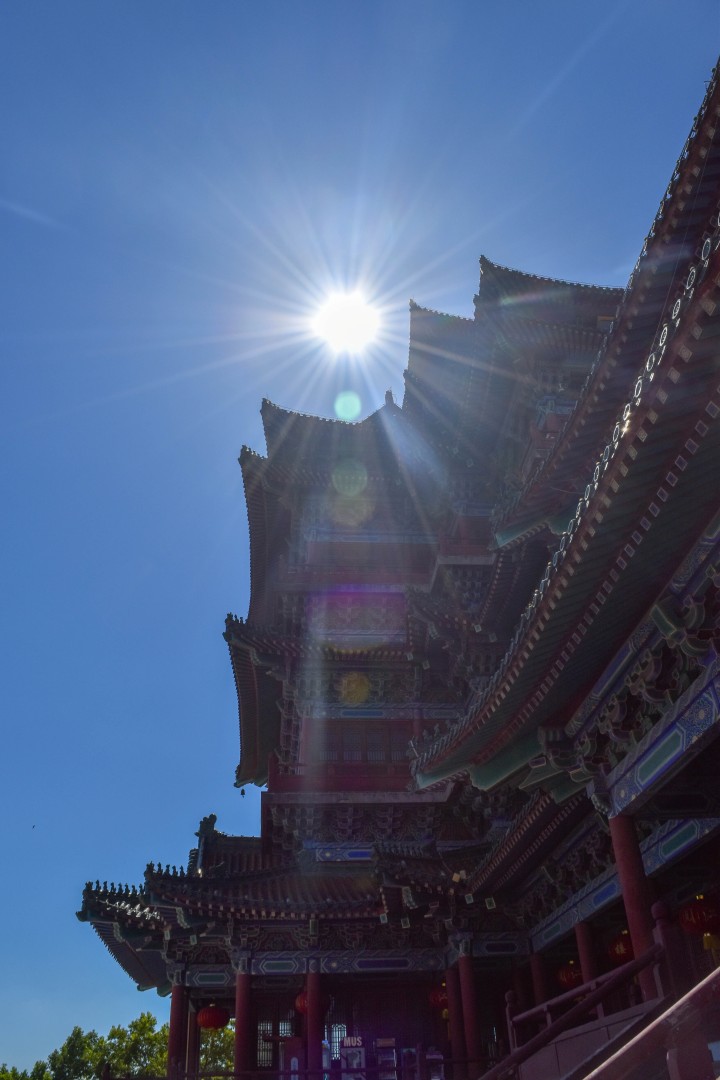
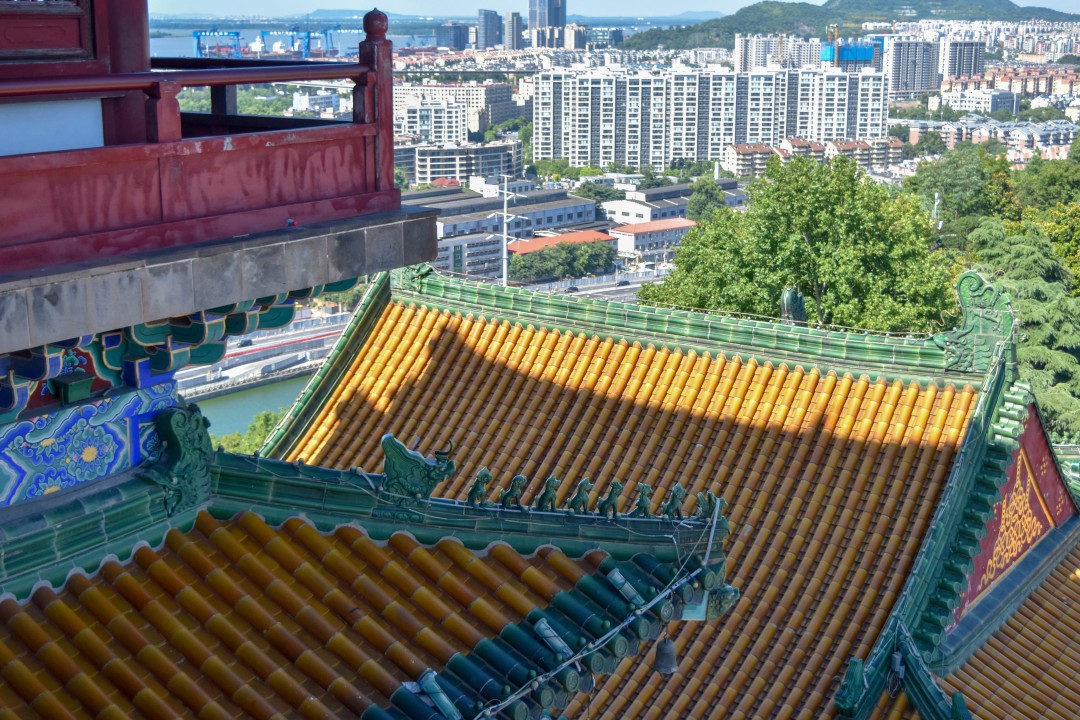
I read about it on the subway, on the way. Huh. Not an actual historic building—a tower finished in 2001, built off plans that had existed since the Ming dynasty and never got made.
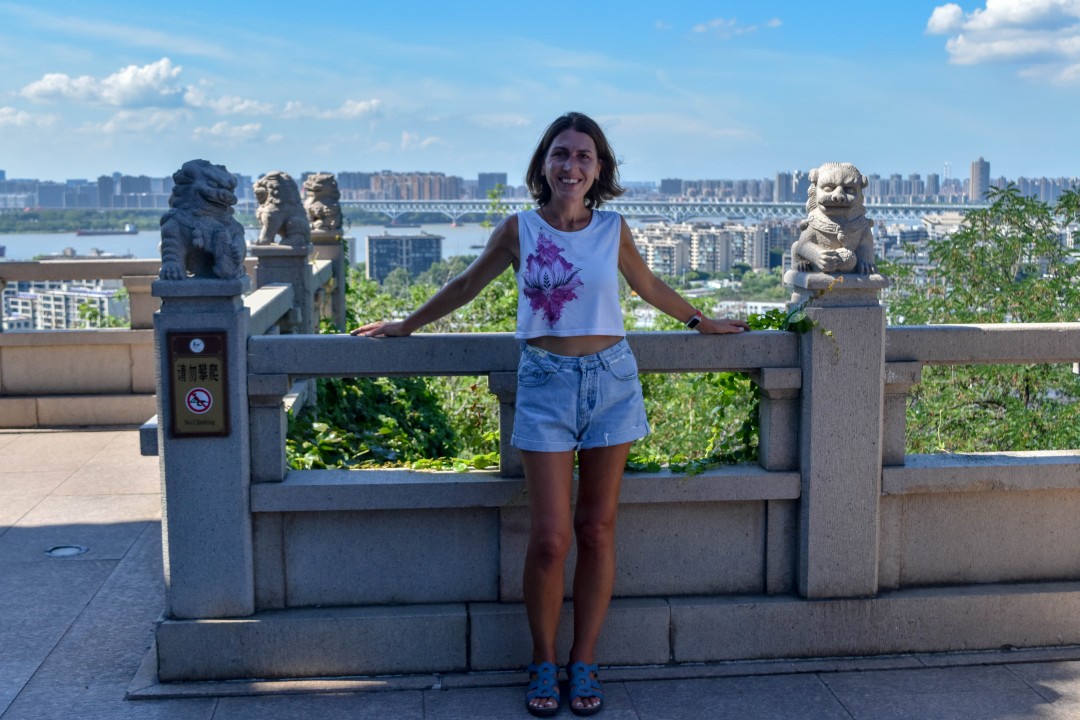
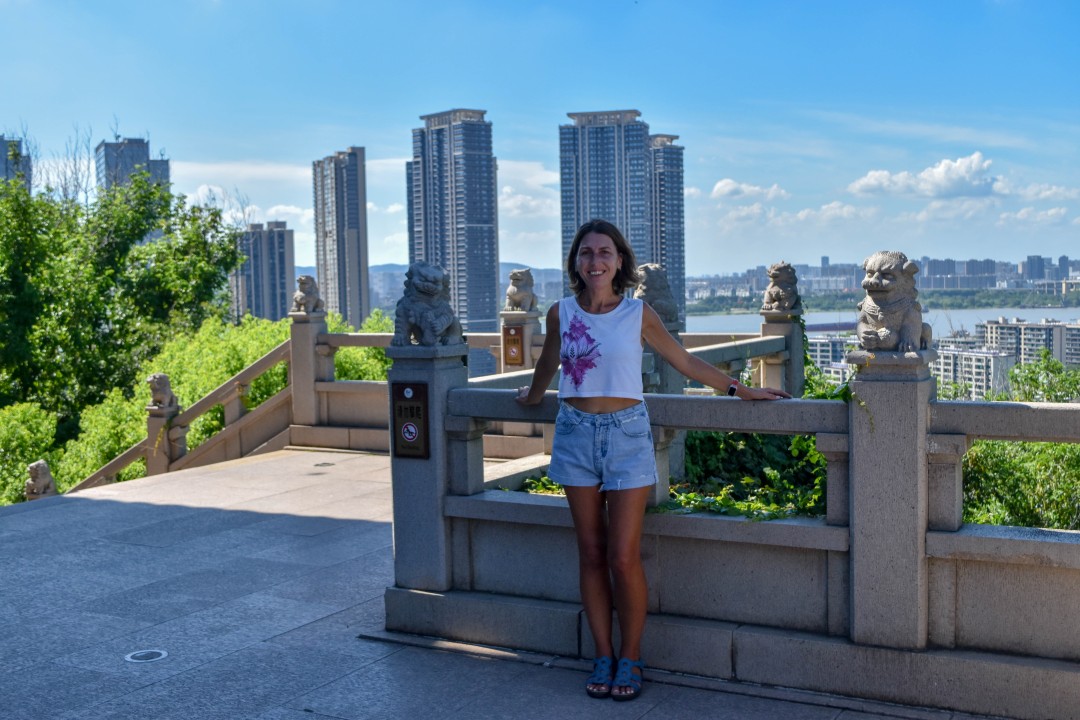
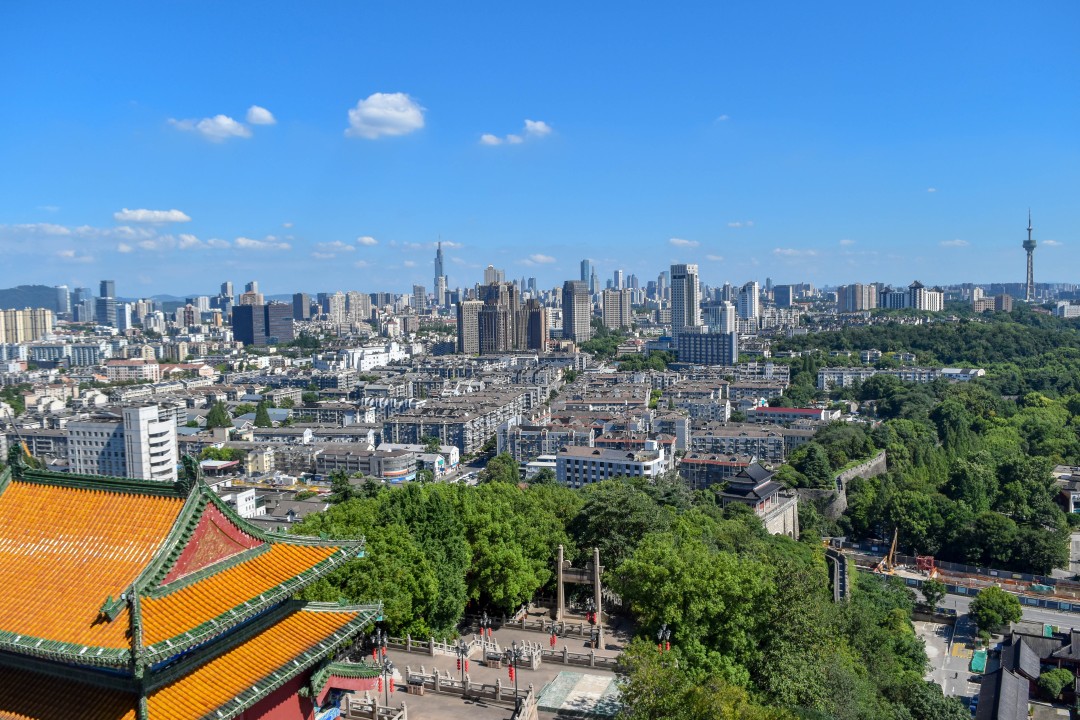
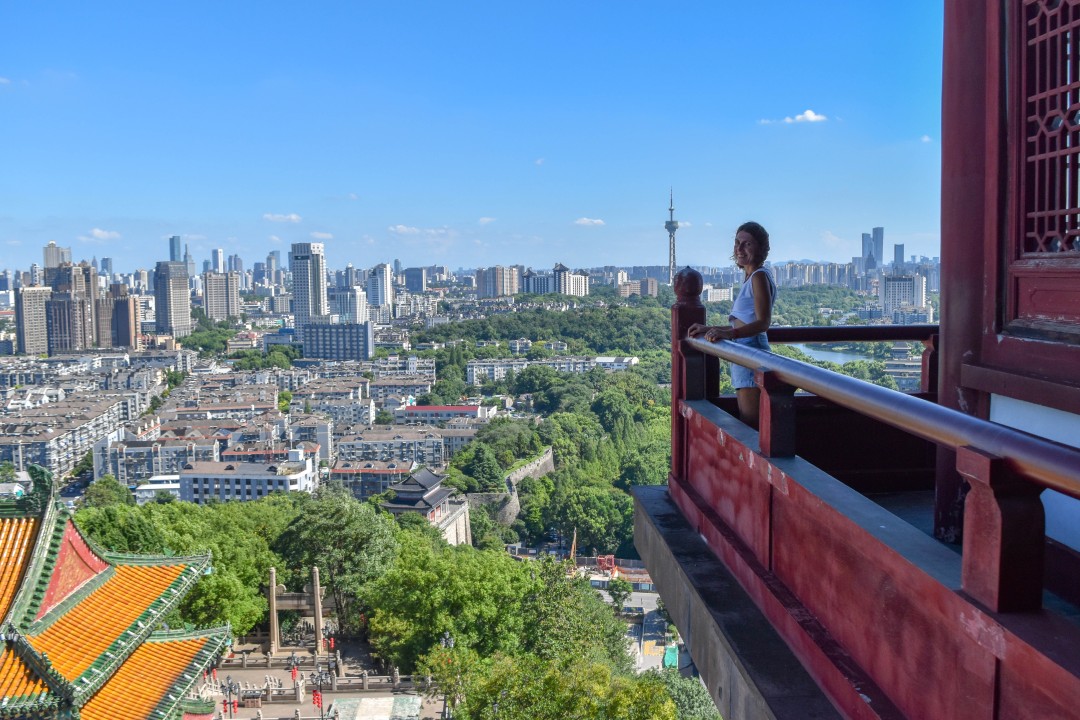
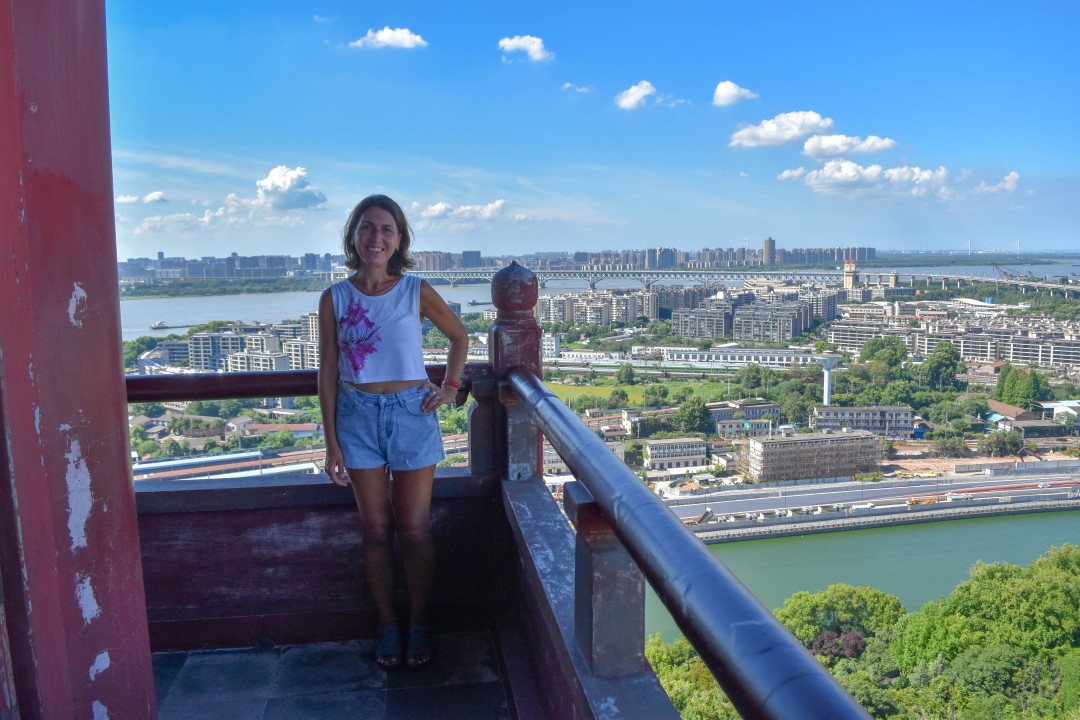
The views were amazing because the tower sits on Lion Mountain, overlooking the Yangtze. And this was the first attraction in China where there was nobody. We almost had the place to ourselves. Still one of my favourite memories from the trip.
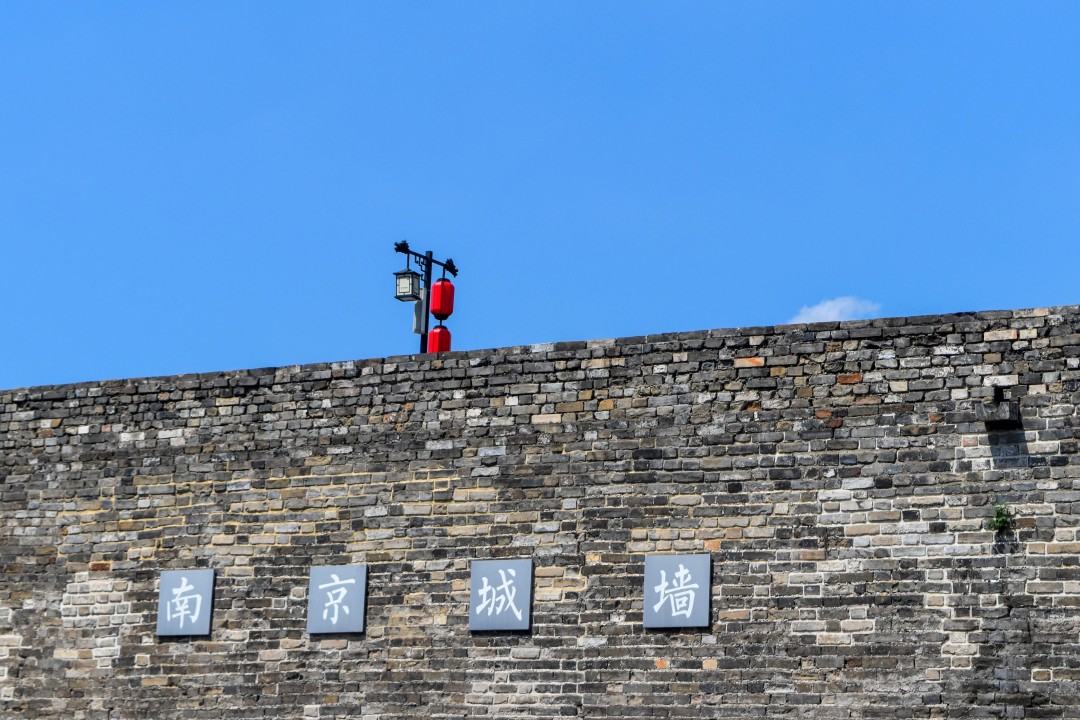
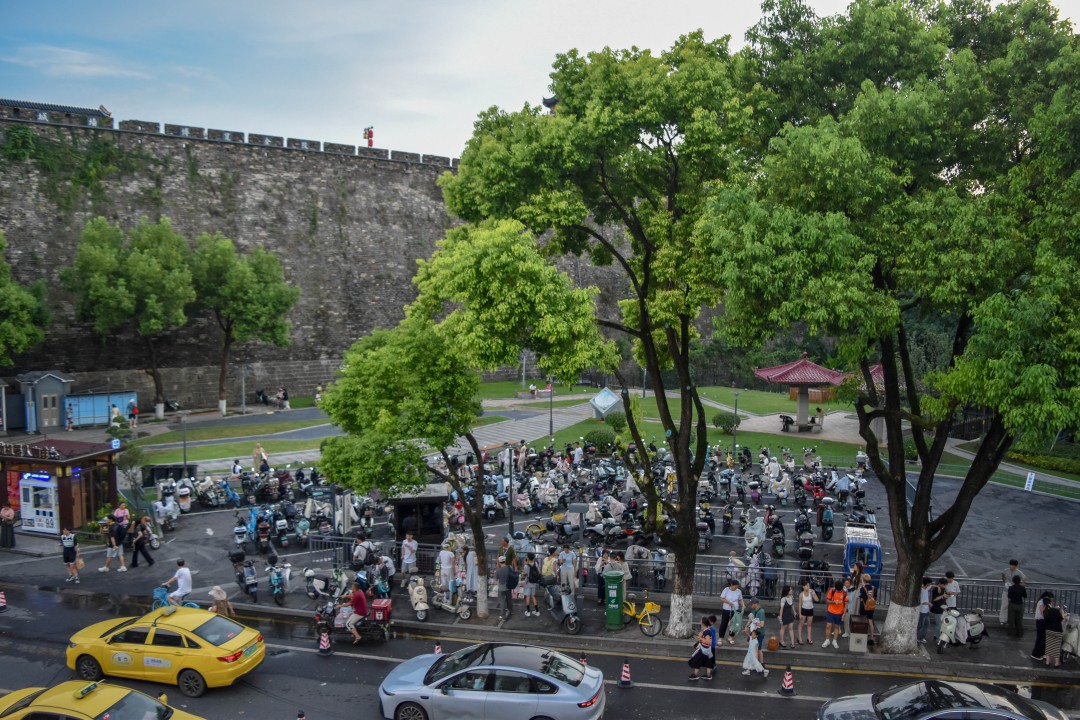
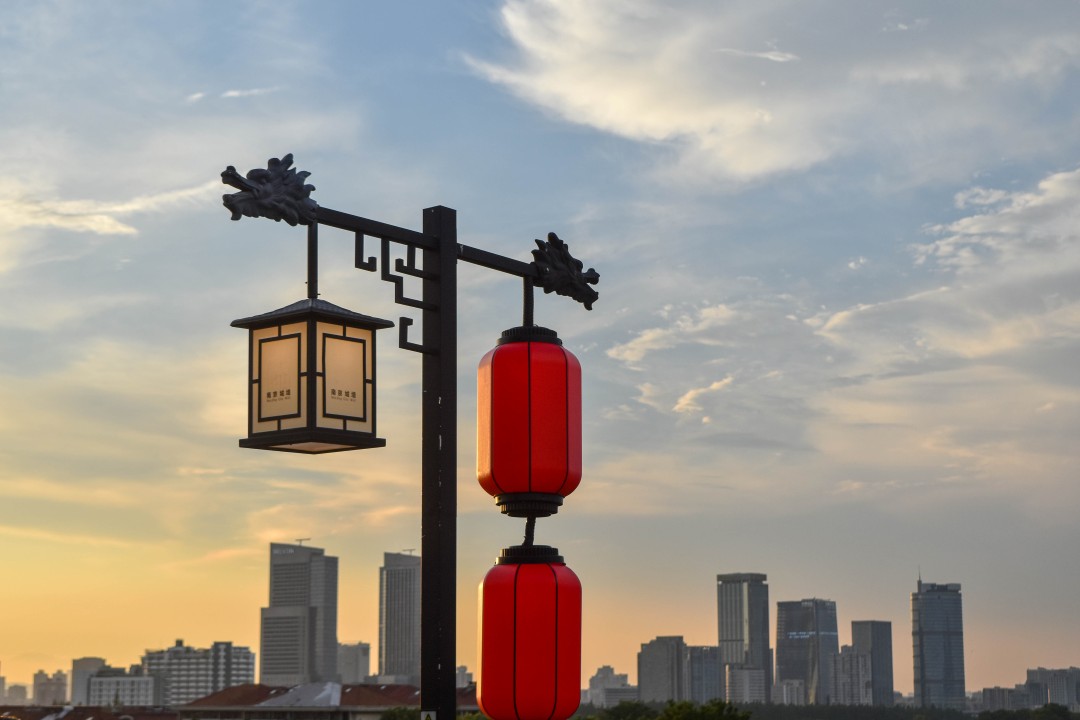
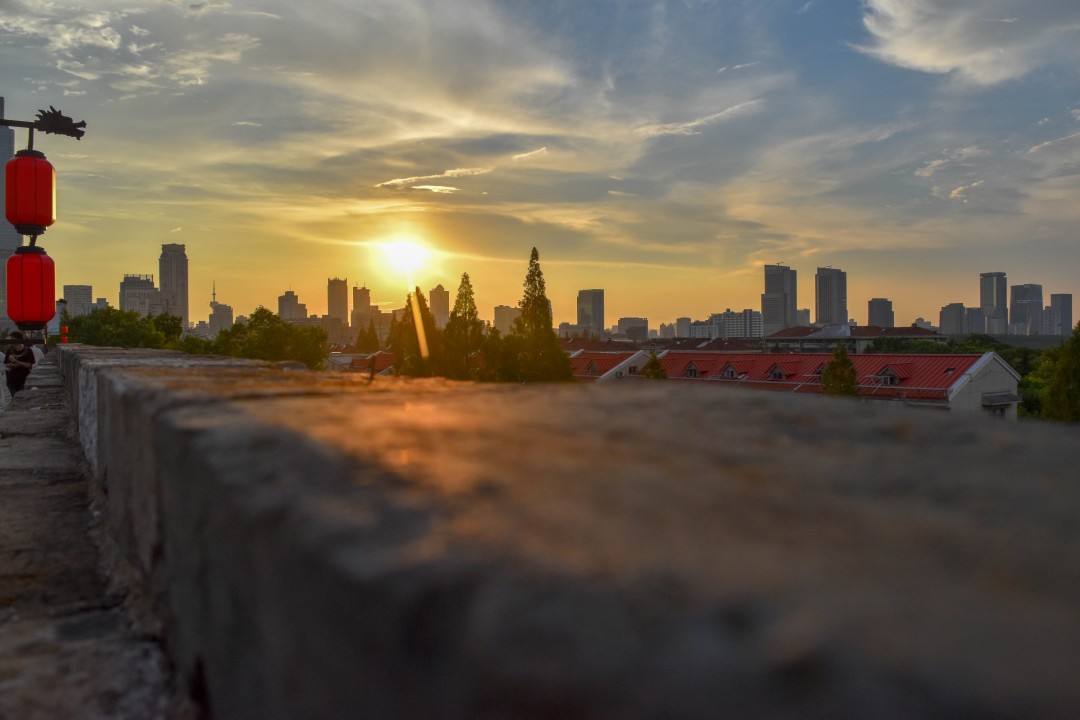
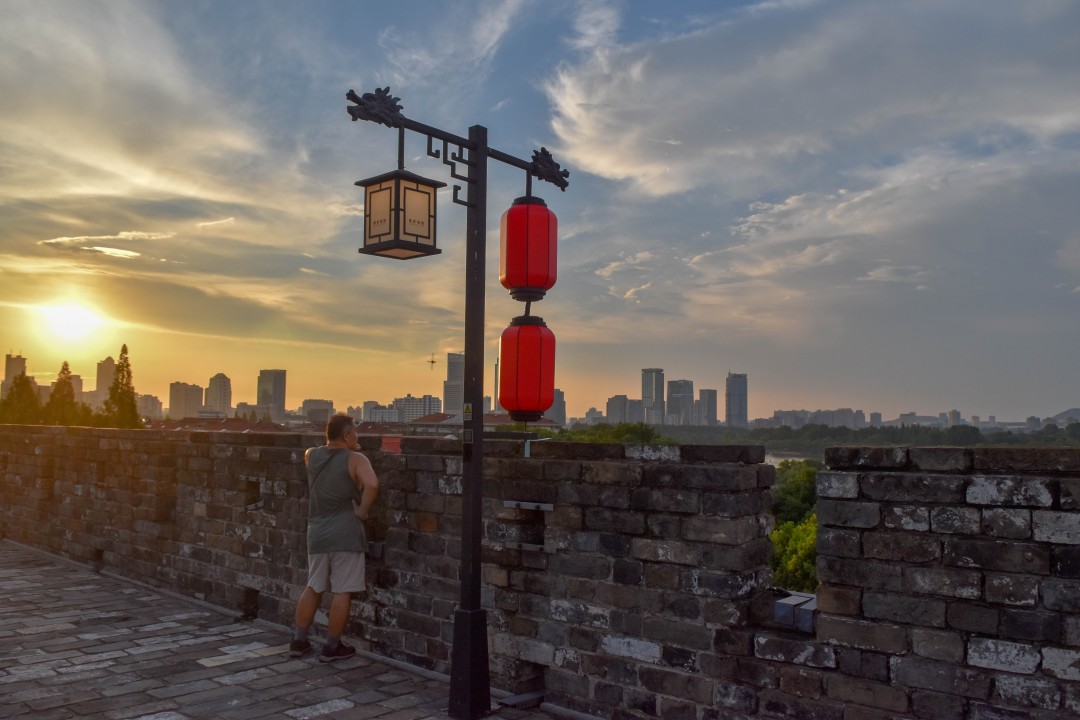
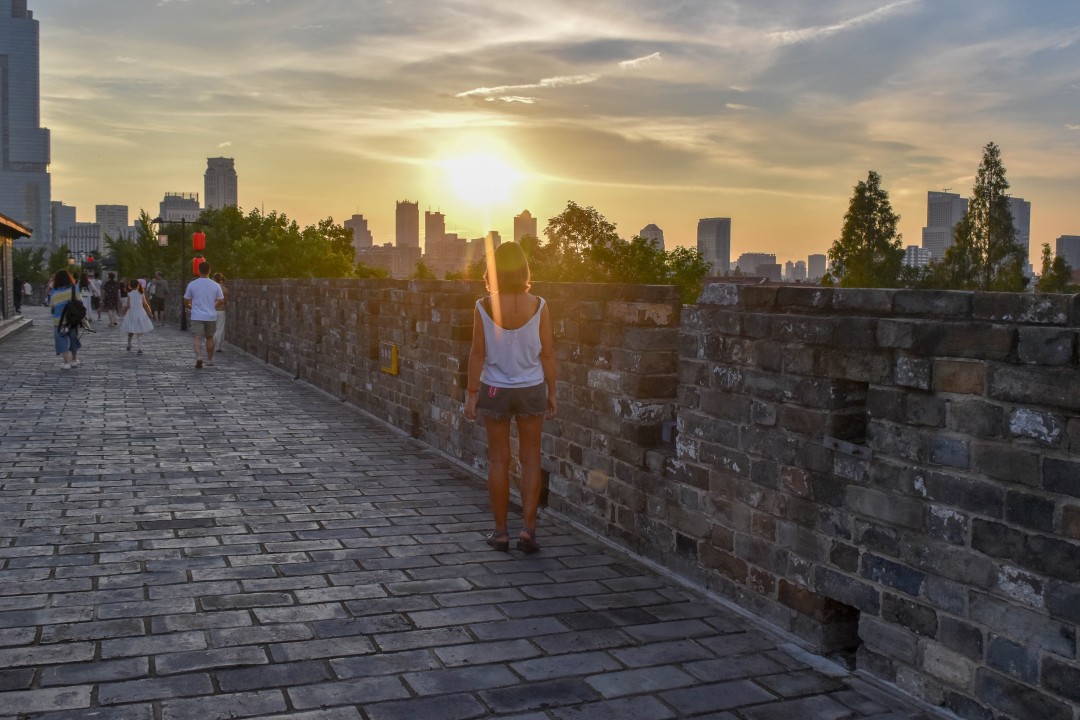
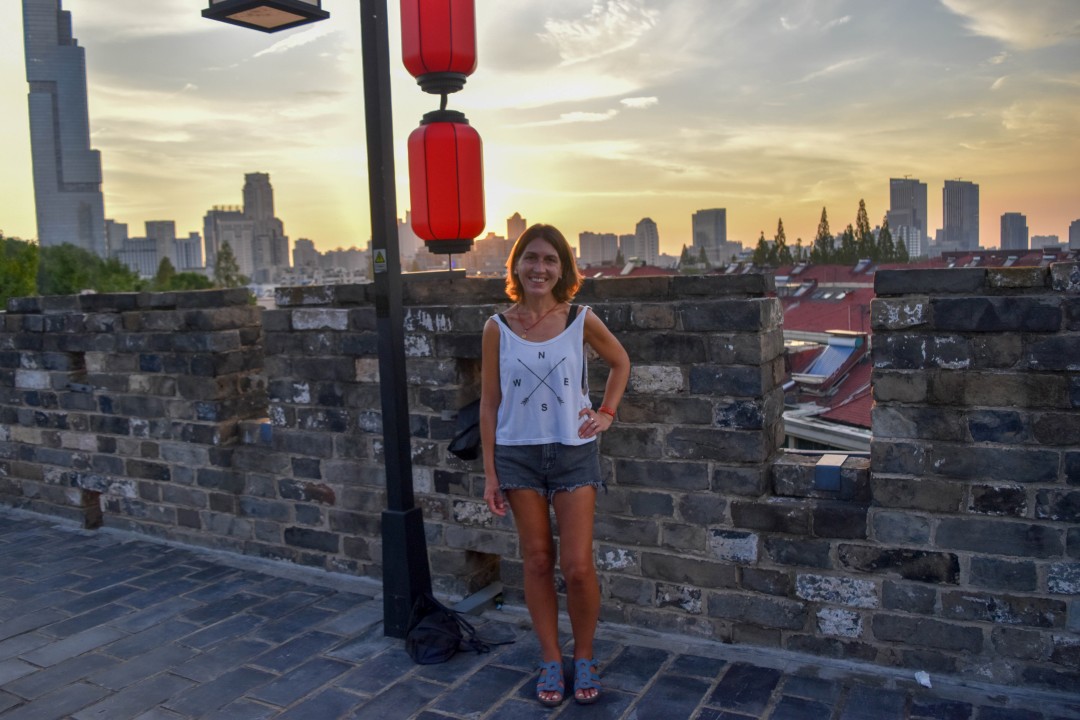
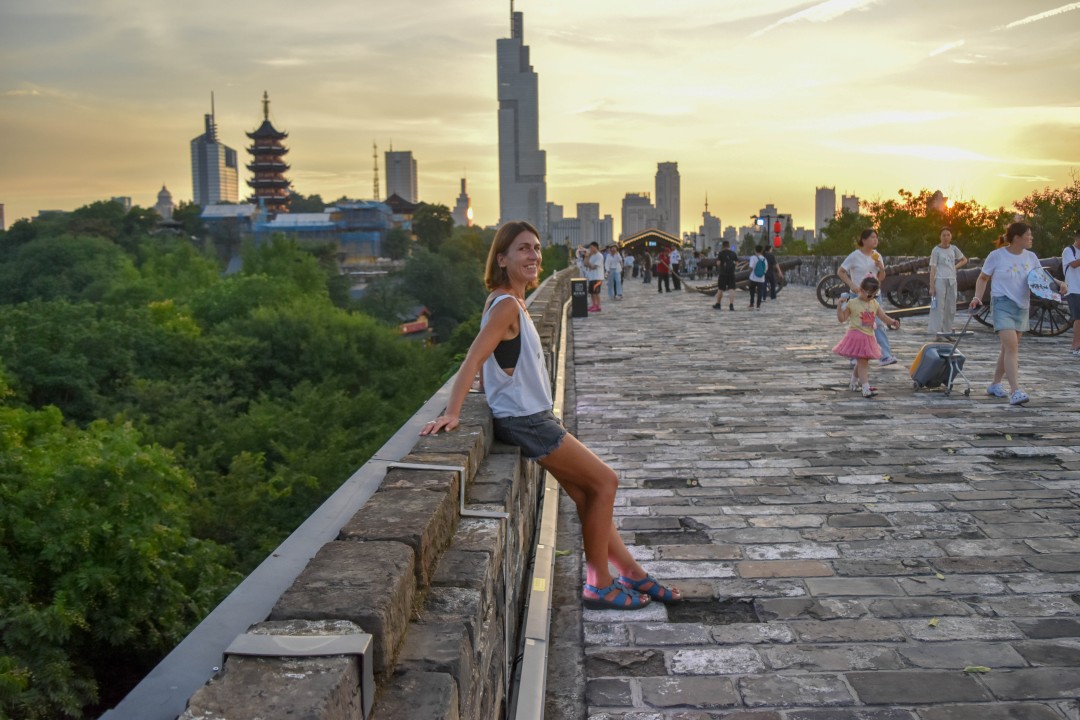
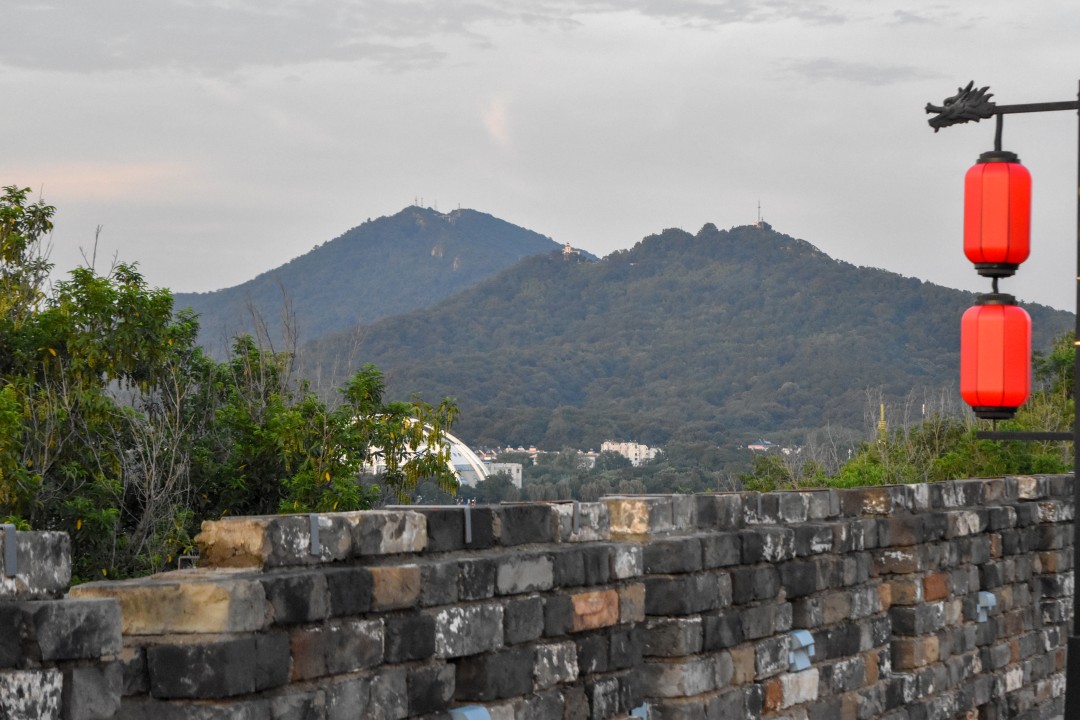
Yes, the Ming again. The enormous grey-brick ramparts, built in the late 14th century, still trace parts of the old city. As in Xi’an, you can stroll along sections of the wall, the longest ancient city wall in the world. It was built from thousands of bricks, many still marked with characters recording their origin.
“Just not when it’s 45°C. Let’s come back later tonight, Juliette…”
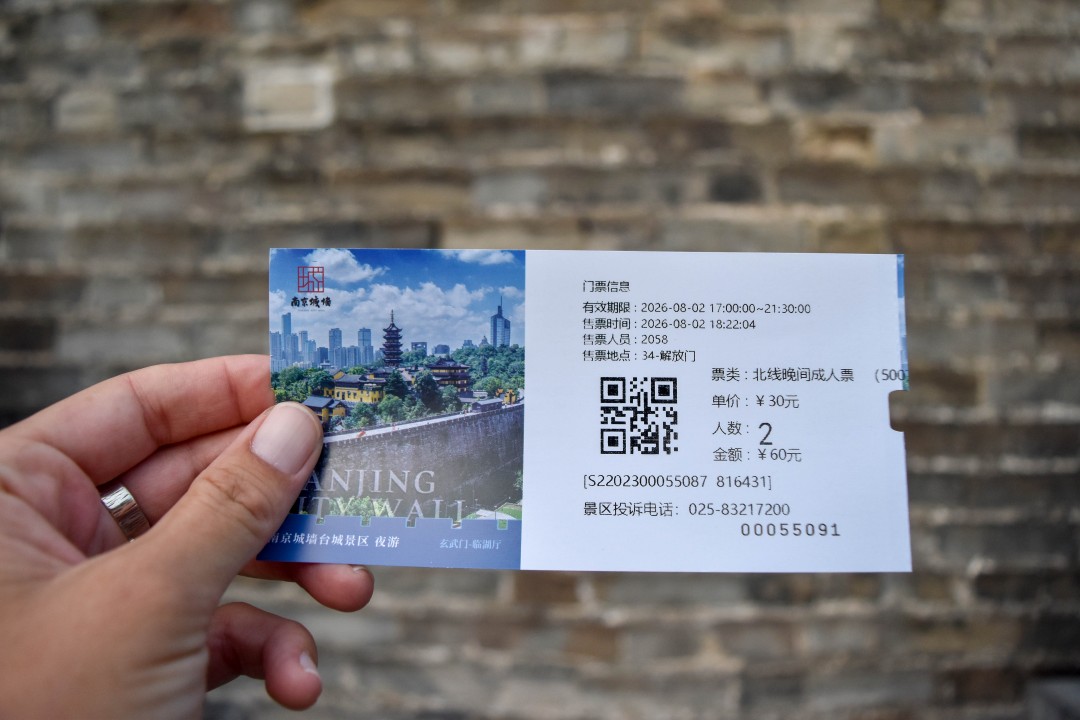
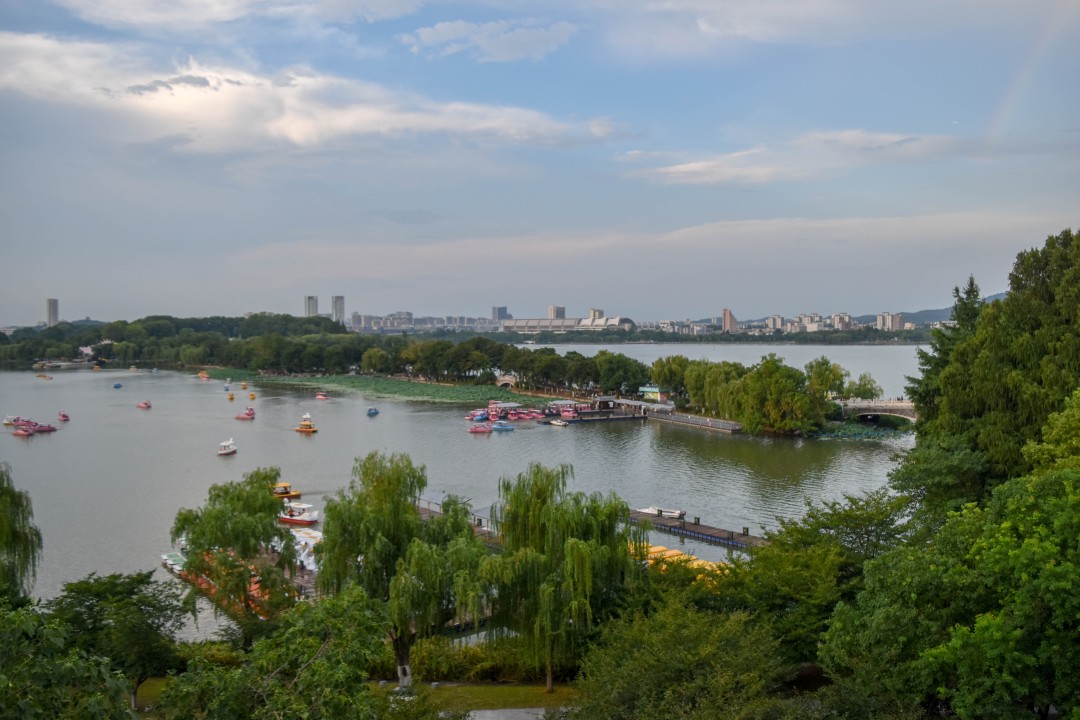
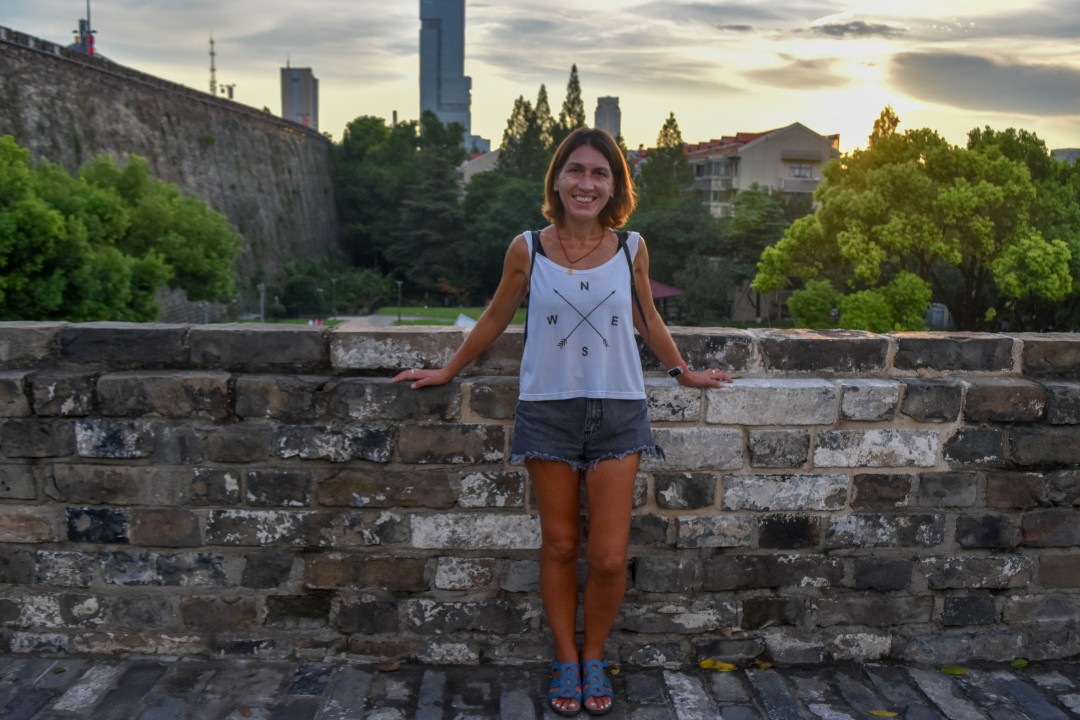
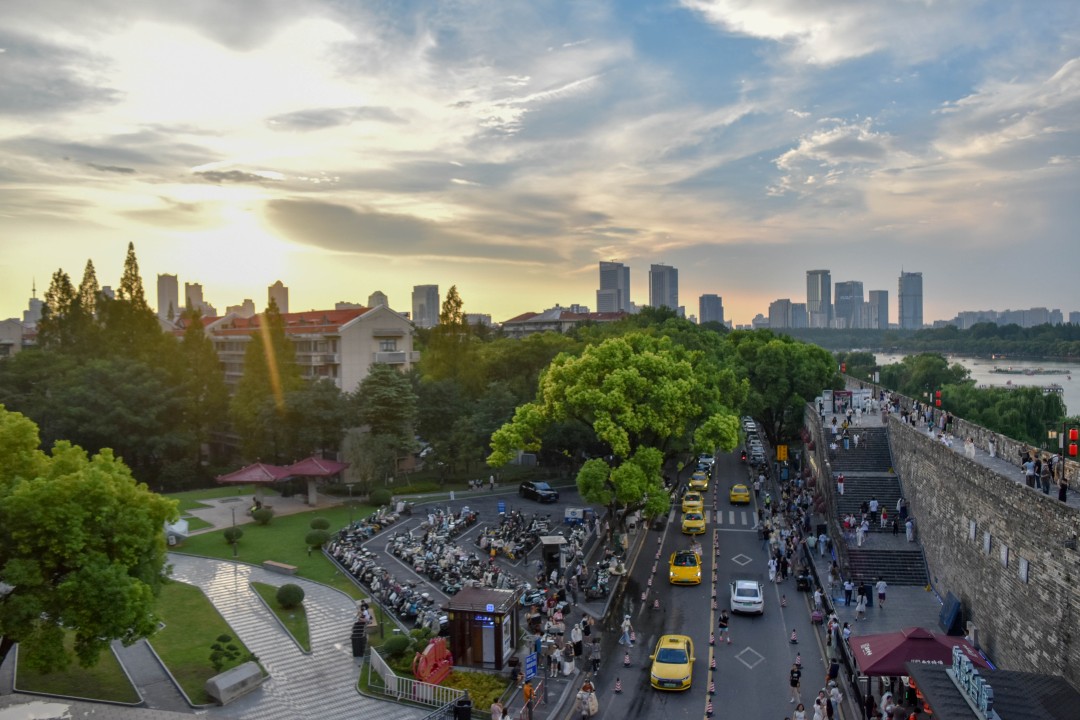
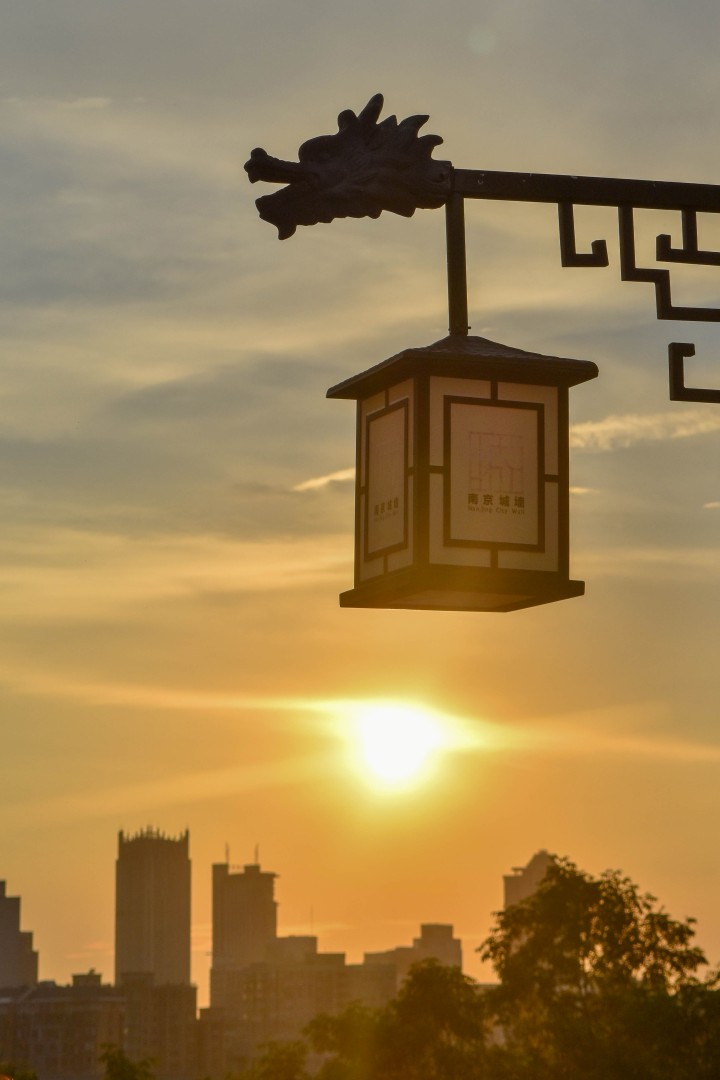
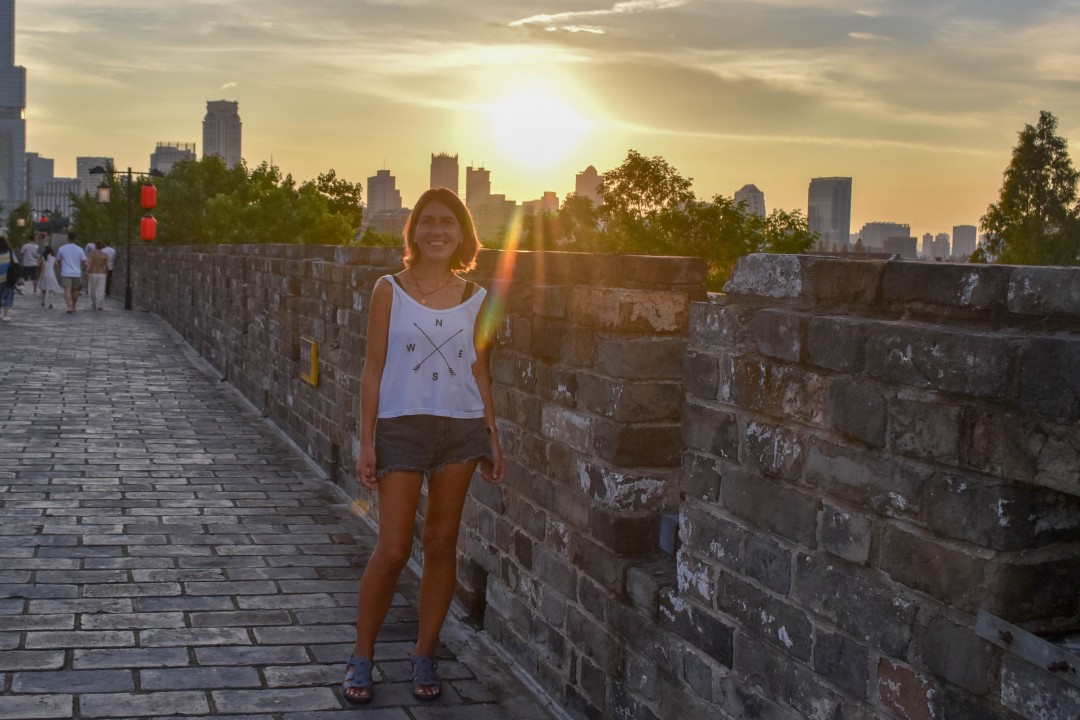
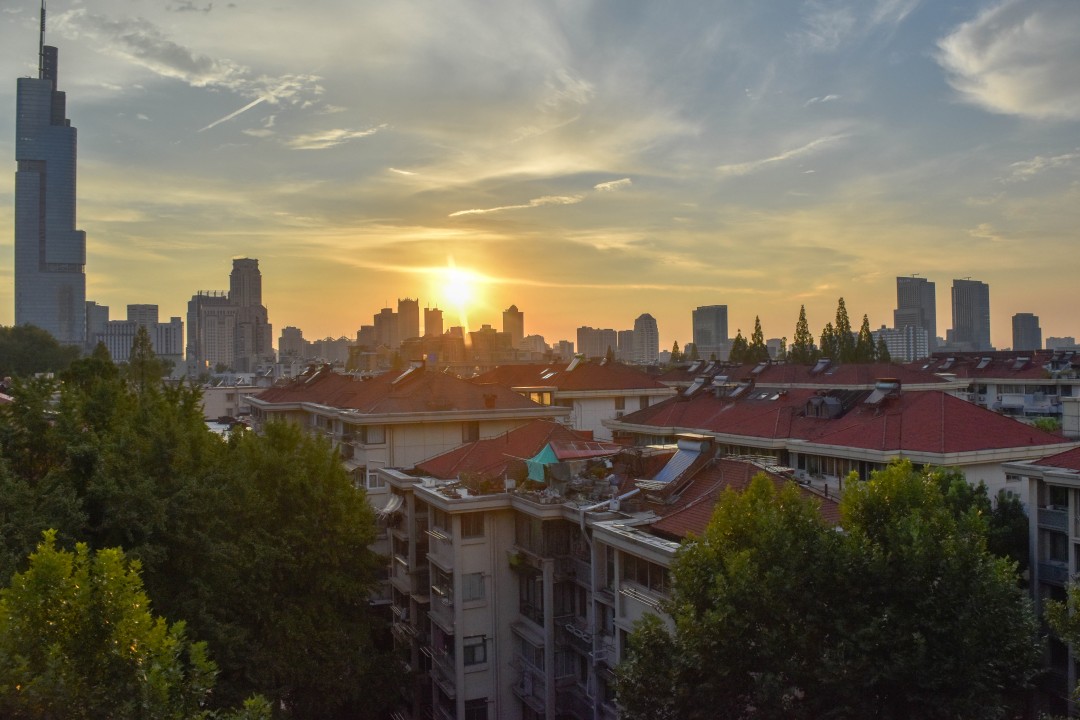
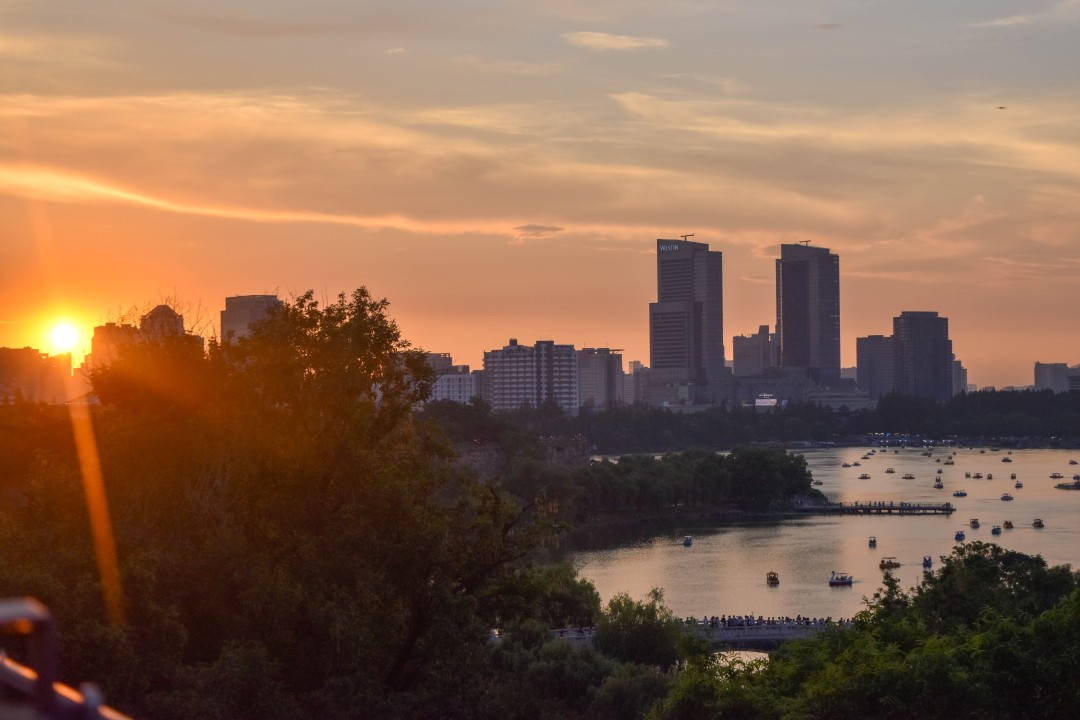
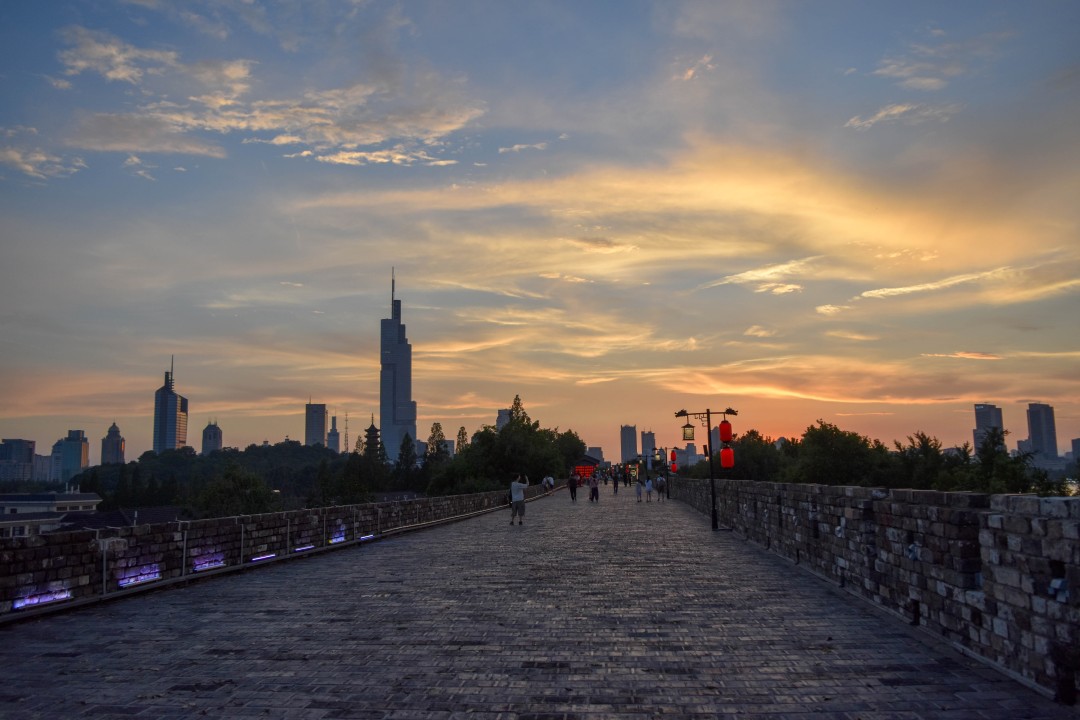
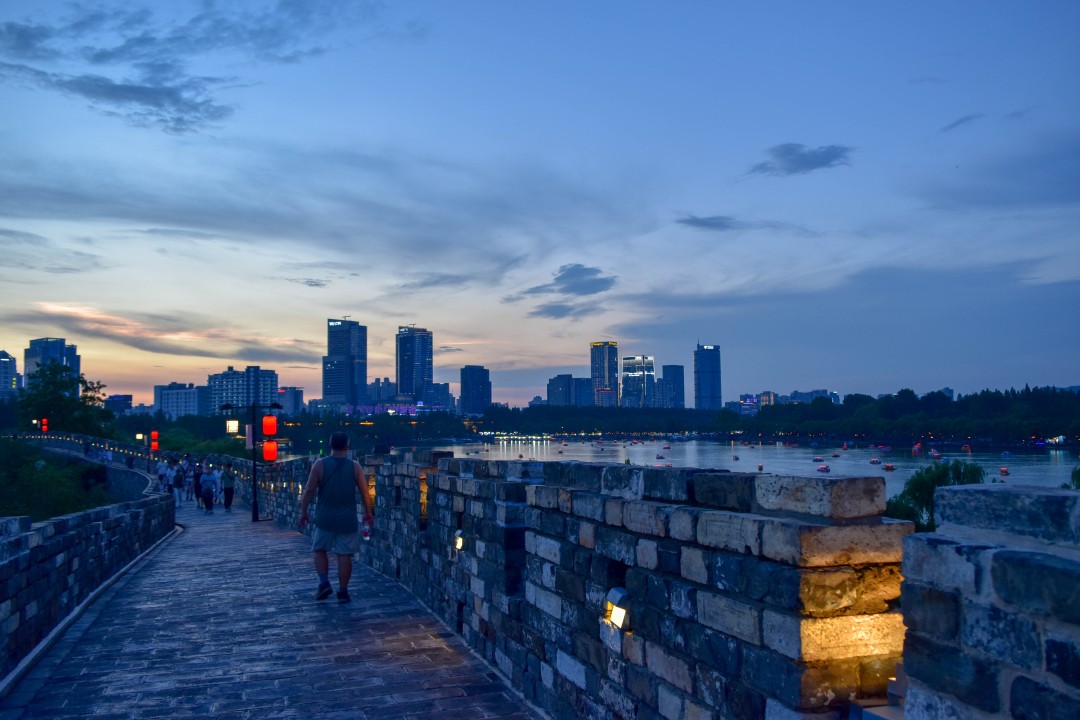
I cursed Feng’s decision at first because I really wanted to go on top of the wall, but it turned out to be a great move. When we came back later that night, the sun was setting over the city and Xuanwu Lake below was turning dark as the rest of the city began to light up.
It felt like a quiet step outside of time. This has to be the most accidentally romantic walk we have taken together in ages.
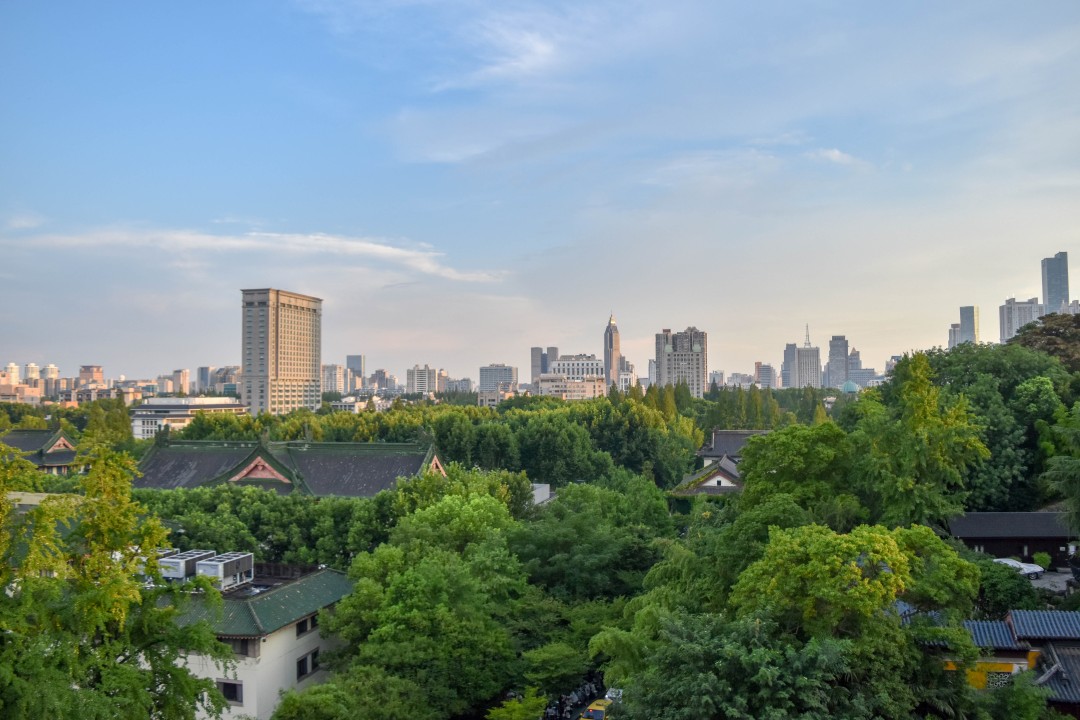
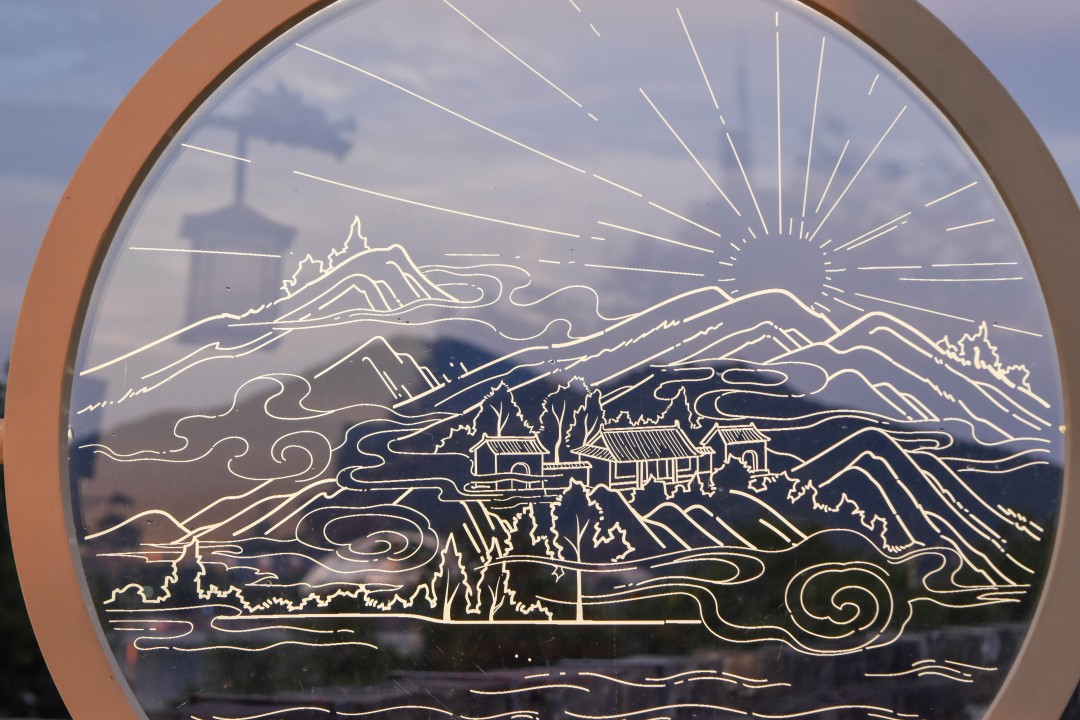
Nanjing City Wall (南京城墙, Nánjīng Chéngqiáng) — Nanjing, Jiangsu, China.Nanjing City Wall (南京城墙, Nánjīng Chéngqiáng) — Nanjing, Jiangsu, China.Nanjing City Wall (南京城墙, Nánjīng Chéngqiáng) — Nanjing, Jiangsu, China.Nanjing City Wall (南京城墙, Nánjīng Chéngqiáng) — Nanjing, Jiangsu, China.Nanjing City Wall (南京城墙, Nánjīng Chéngqiáng) — Nanjing, Jiangsu, China.Nanjing City Wall (南京城墙, Nánjīng Chéngqiáng) — Nanjing, Jiangsu, China.Nanjing City Wall (南京城墙, Nánjīng Chéngqiáng) — Nanjing, Jiangsu, China.Nanjing City Wall (南京城墙, Nánjīng Chéngqiáng) — Nanjing, Jiangsu, China.Nanjing City Wall (南京城墙, Nánjīng Chéngqiáng) — Nanjing, Jiangsu, China.Nanjing City Wall (南京城墙, Nánjīng Chéngqiáng) — Nanjing, Jiangsu, China.Nanjing City Wall (南京城墙, Nánjīng Chéngqiáng) — Nanjing, Jiangsu, China.Nanjing City Wall (南京城墙, Nánjīng Chéngqiáng) — Nanjing, Jiangsu, China.Nanjing City Wall (南京城墙, Nánjīng Chéngqiáng) — Nanjing, Jiangsu, China.Nanjing City Wall (南京城墙, Nánjīng Chéngqiáng) — Nanjing, Jiangsu, China.Nanjing City Wall (南京城墙, Nánjīng Chéngqiáng) — Nanjing, Jiangsu, China.Nanjing City Wall (南京城墙, Nánjīng Chéngqiáng) — Nanjing, Jiangsu, China.Nanjing City Wall (南京城墙, Nánjīng Chéngqiáng) — Nanjing, Jiangsu, China.Nanjing City Wall (南京城墙, Nánjīng Chéngqiáng) — Nanjing, Jiangsu, China.Nanjing City Wall (南京城墙, Nánjīng Chéngqiáng) — Nanjing, Jiangsu, China.Nanjing City Wall (南京城墙, Nánjīng Chéngqiáng) — Nanjing, Jiangsu, China.Nanjing City Wall (南京城墙, Nánjīng Chéngqiáng) — Nanjing, Jiangsu, China.Nanjing City Wall (南京城墙, Nánjīng Chéngqiáng) — Nanjing, Jiangsu, China.Nanjing City Wall (南京城墙, Nánjīng Chéngqiáng) — Nanjing, Jiangsu, China.Nanjing City Wall (南京城墙, Nánjīng Chéngqiáng) — Nanjing, Jiangsu, China.
After suggesting a tower, Feng suggested a bridge a day later. Maybe it’s a Chinese thing, compulsively checking out architecture.
Of course, I wanted to go see a bridge.
“I’m not sure exactly where it is… it’s a bit far.”
“A bit far” turned out to be the understatement of the century. We got off at a very posh mall—the best bathrooms I’ve ever seen in China, complete with free hand cream and anything you could possibly need in a bathroom—then we started walking, hopefully in the direction of the bridge.
We were crossing a business district and there was literally nothing entertaining around. No shops, no signs, nothing except fancy cars and fewer motorbikes on the sidewalk than usual.
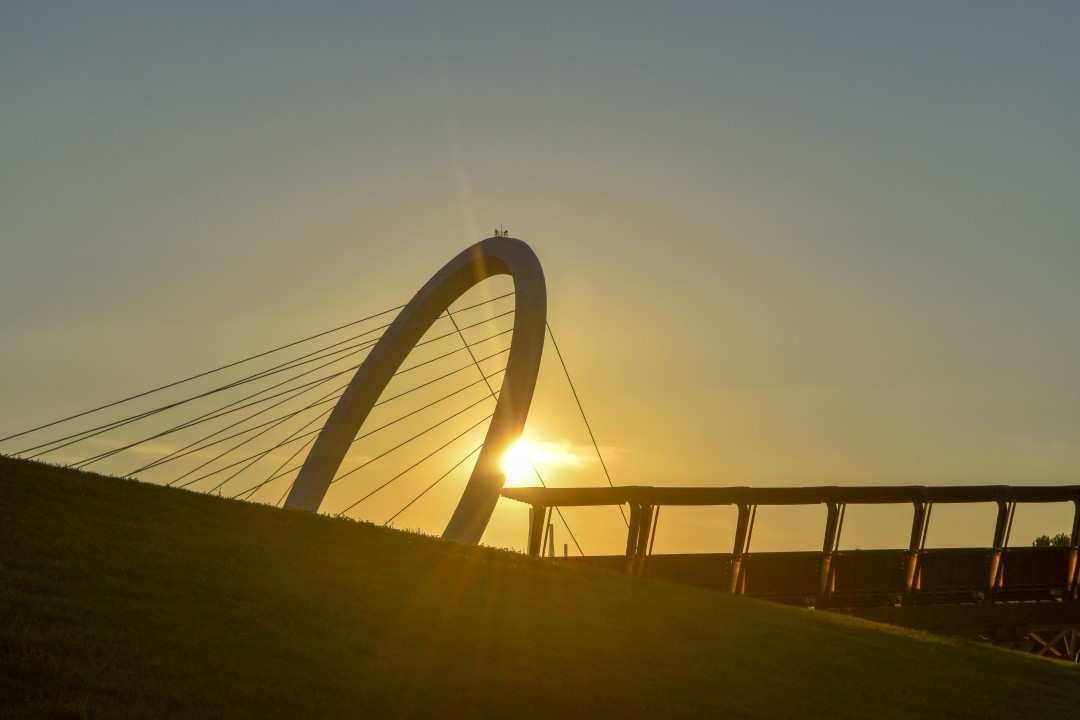
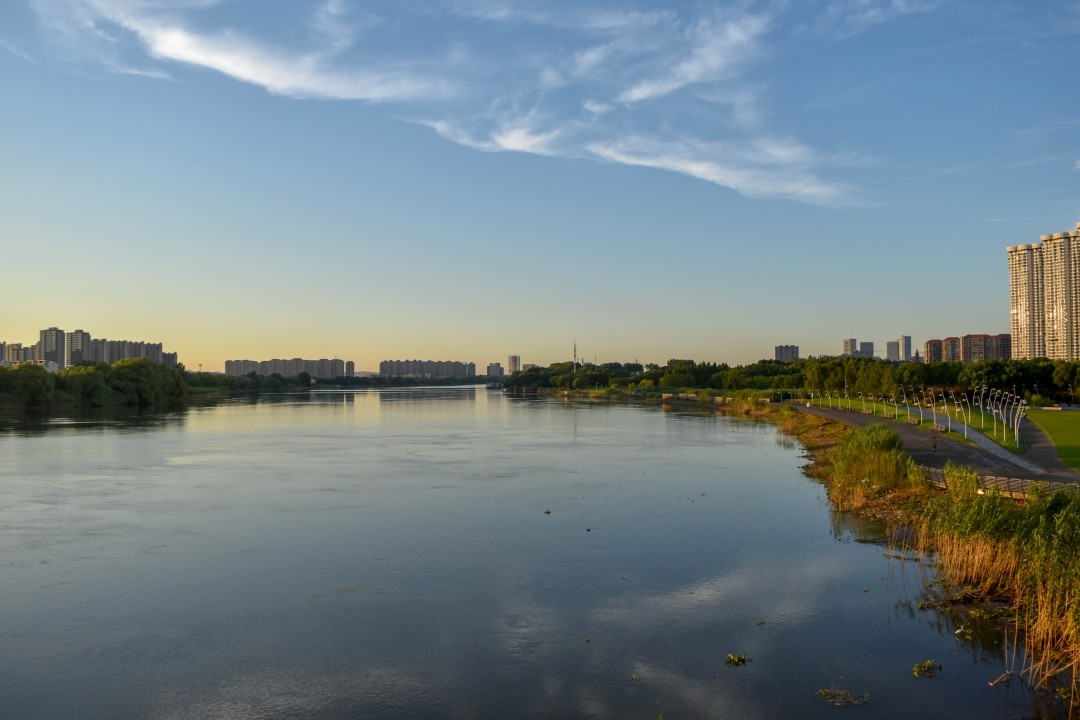
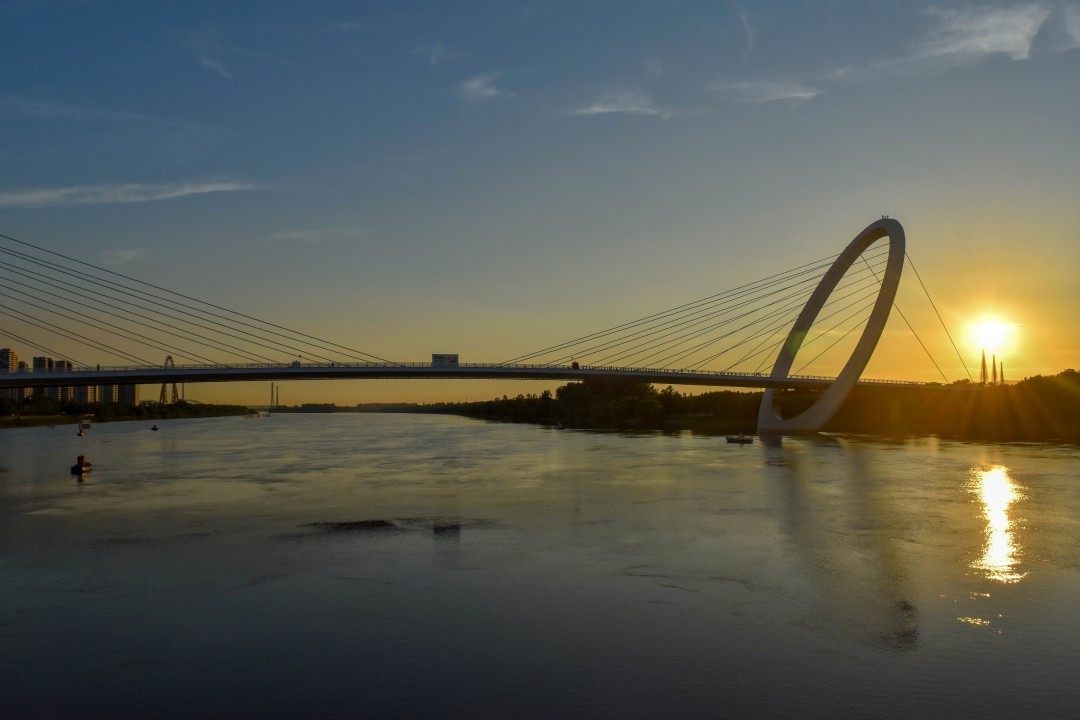
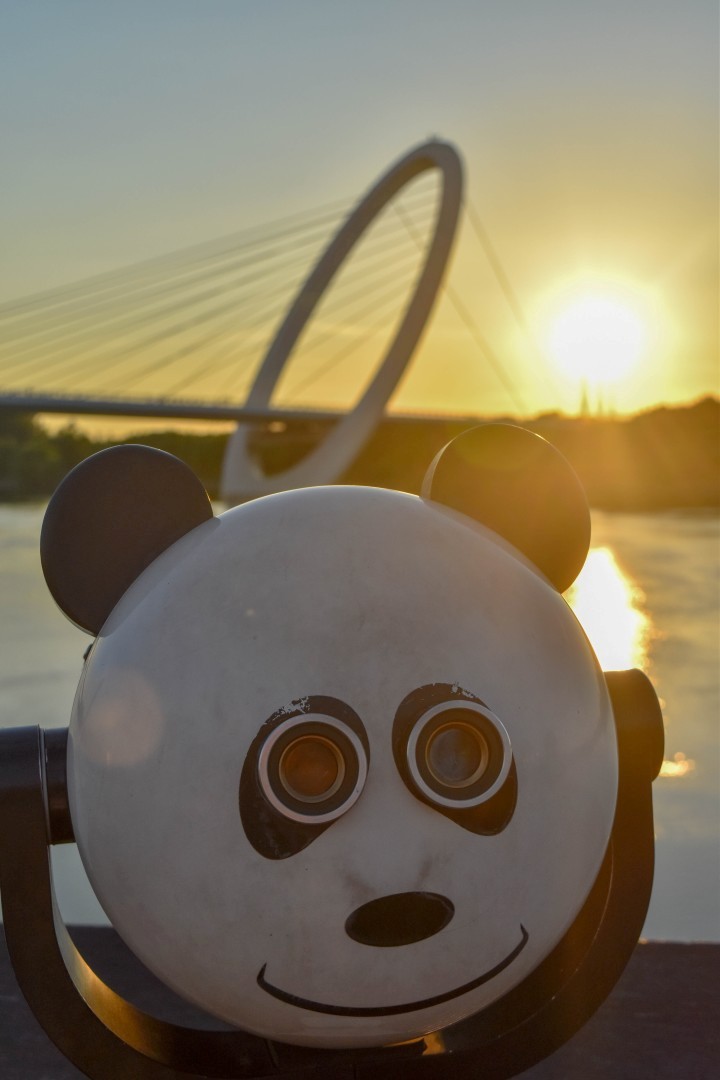
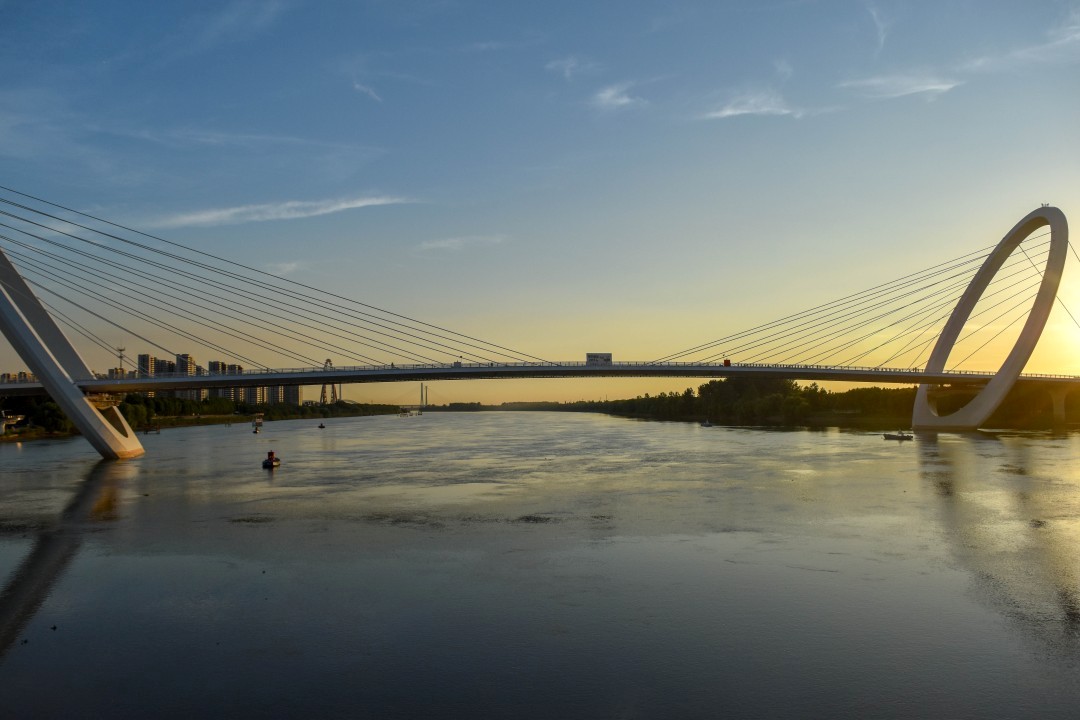
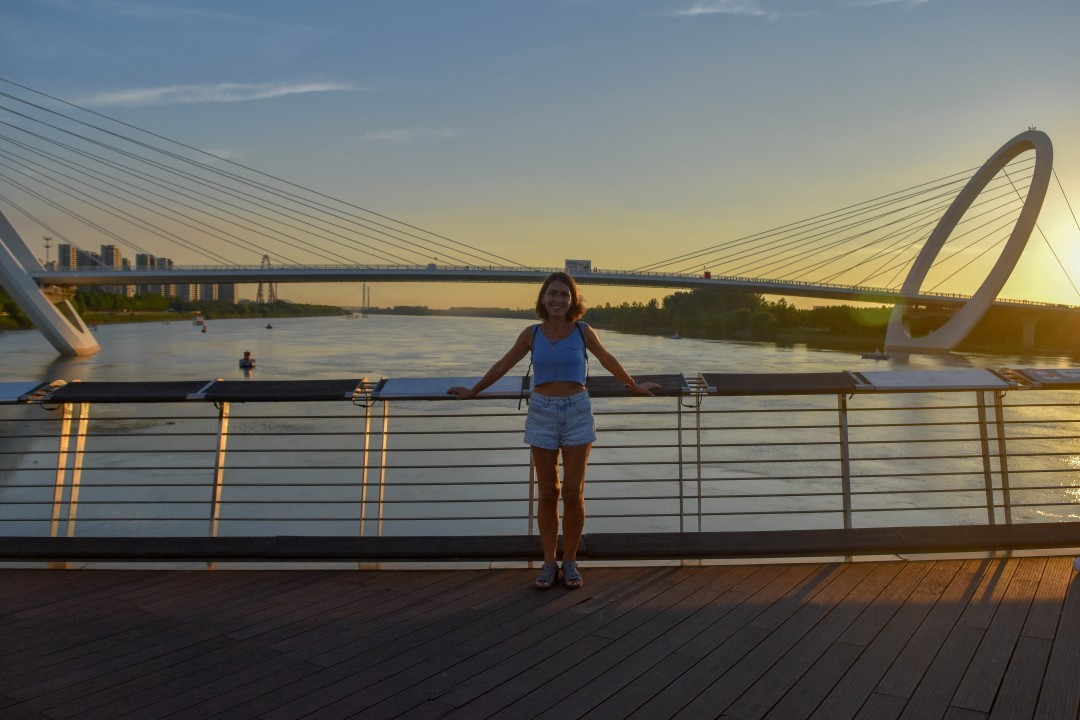
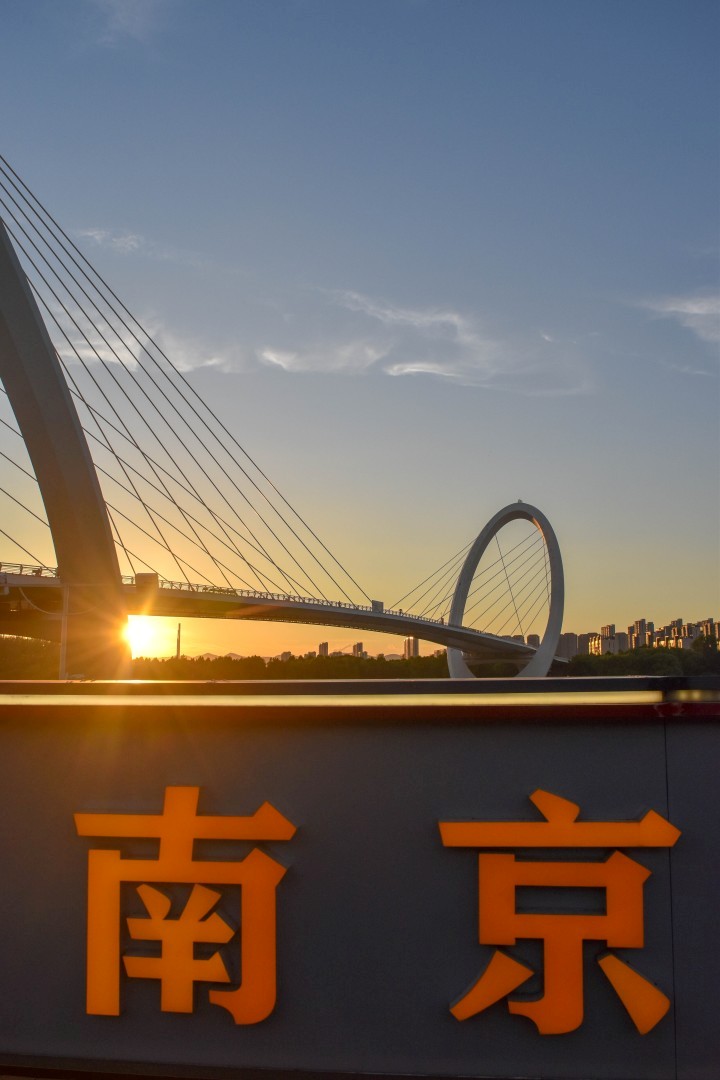
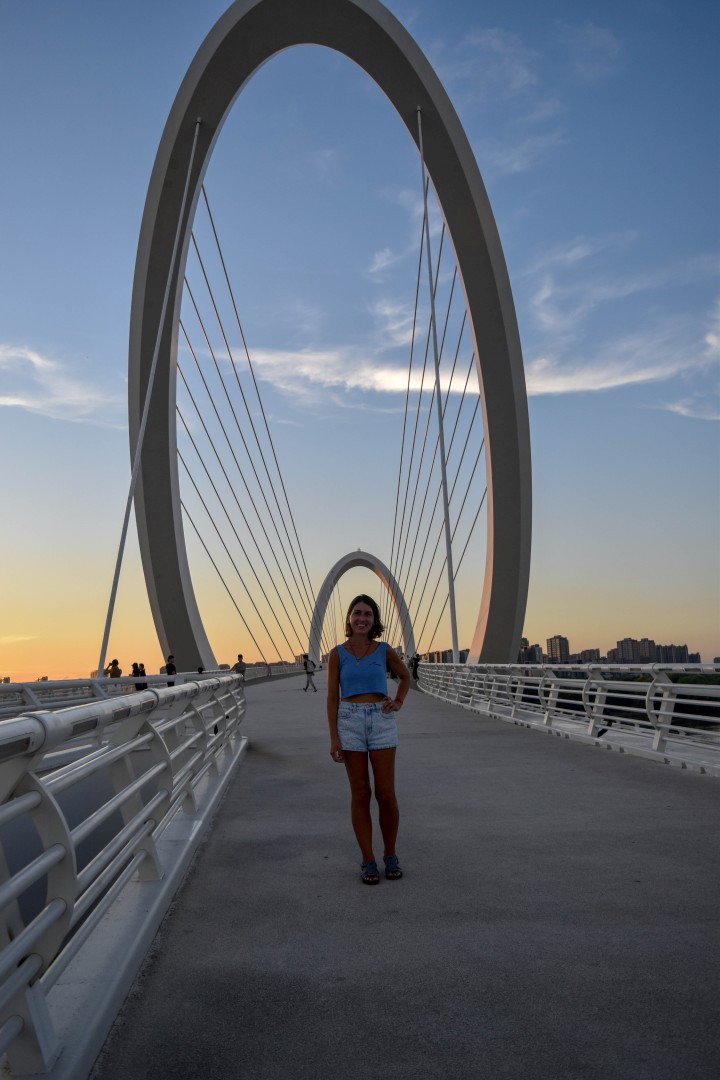
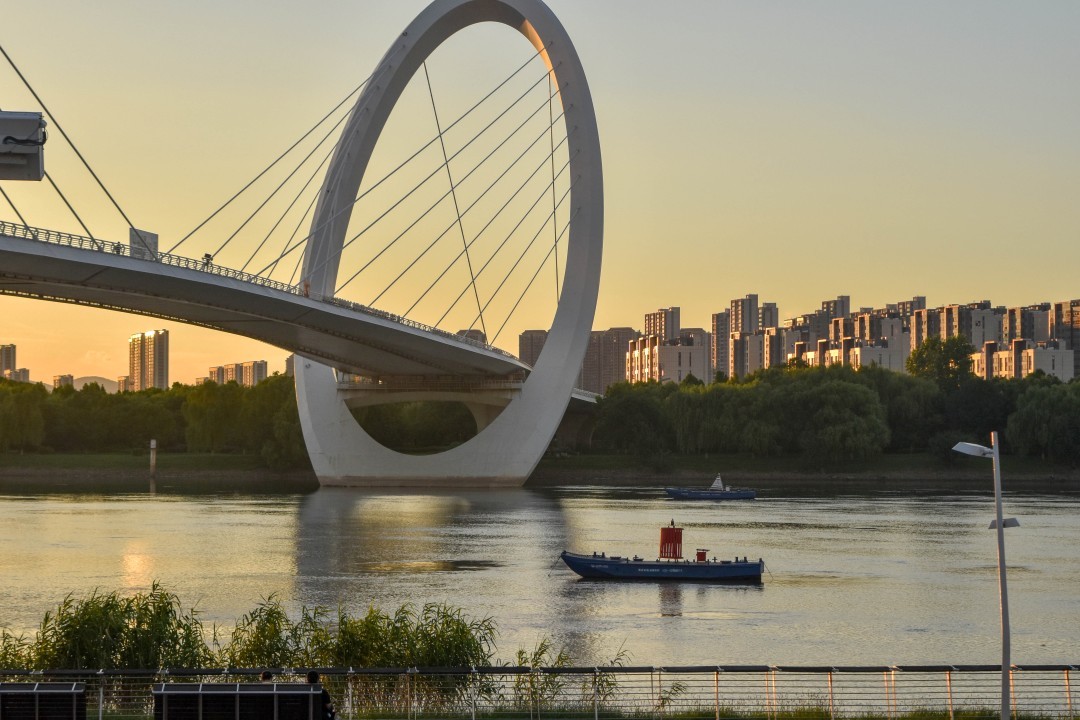
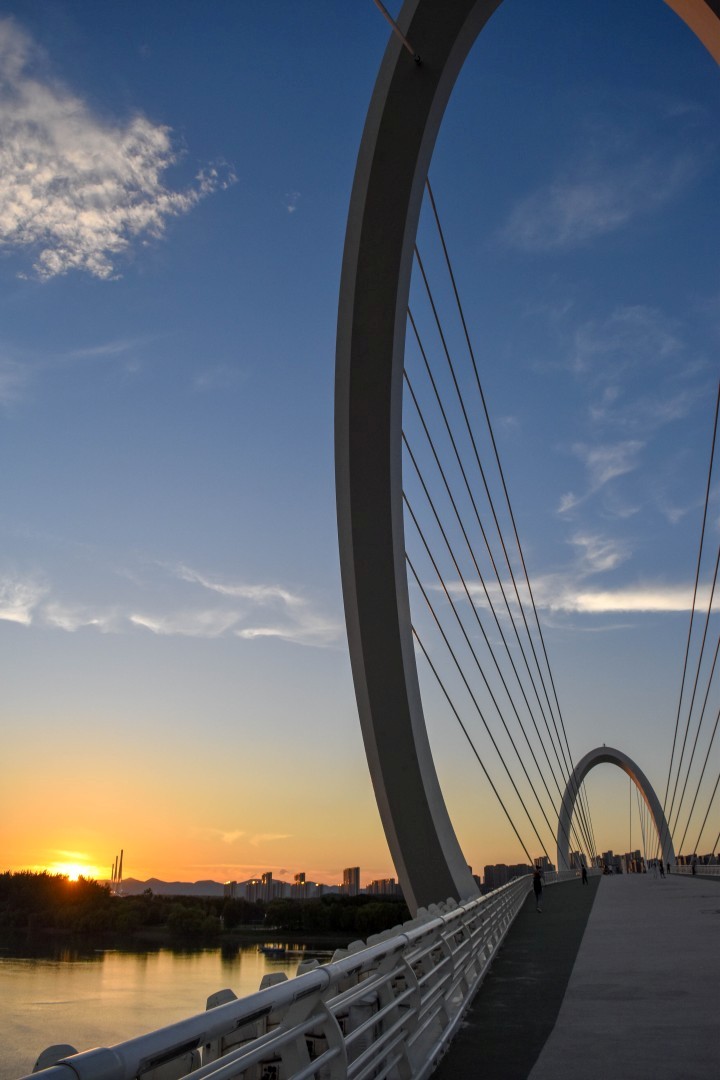
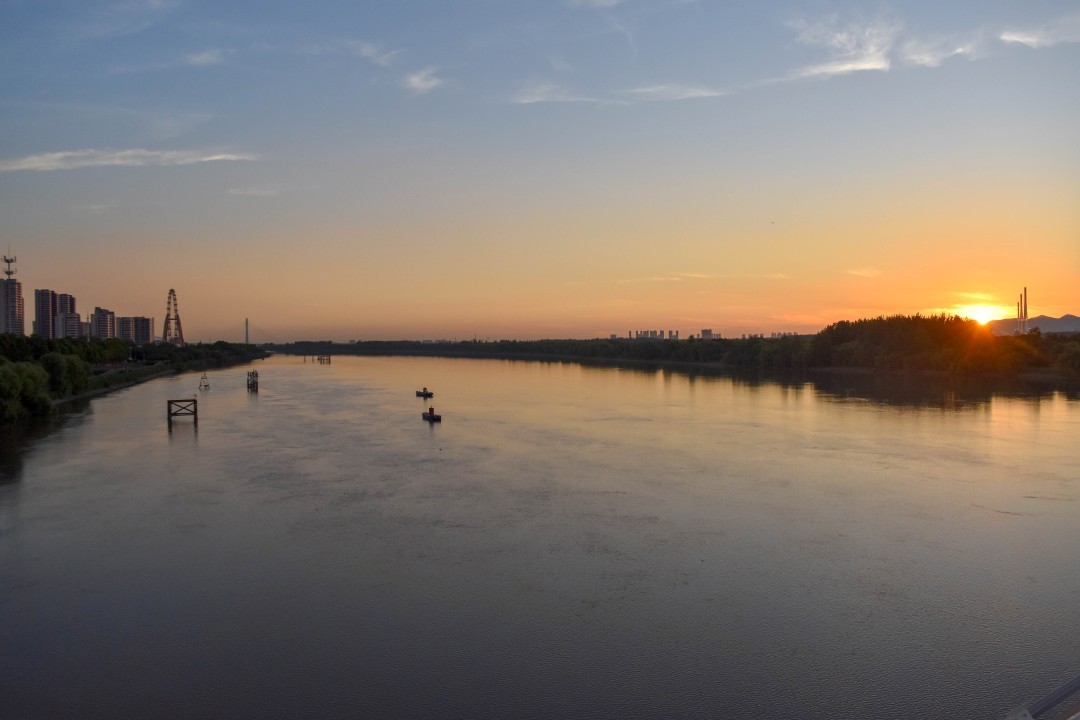
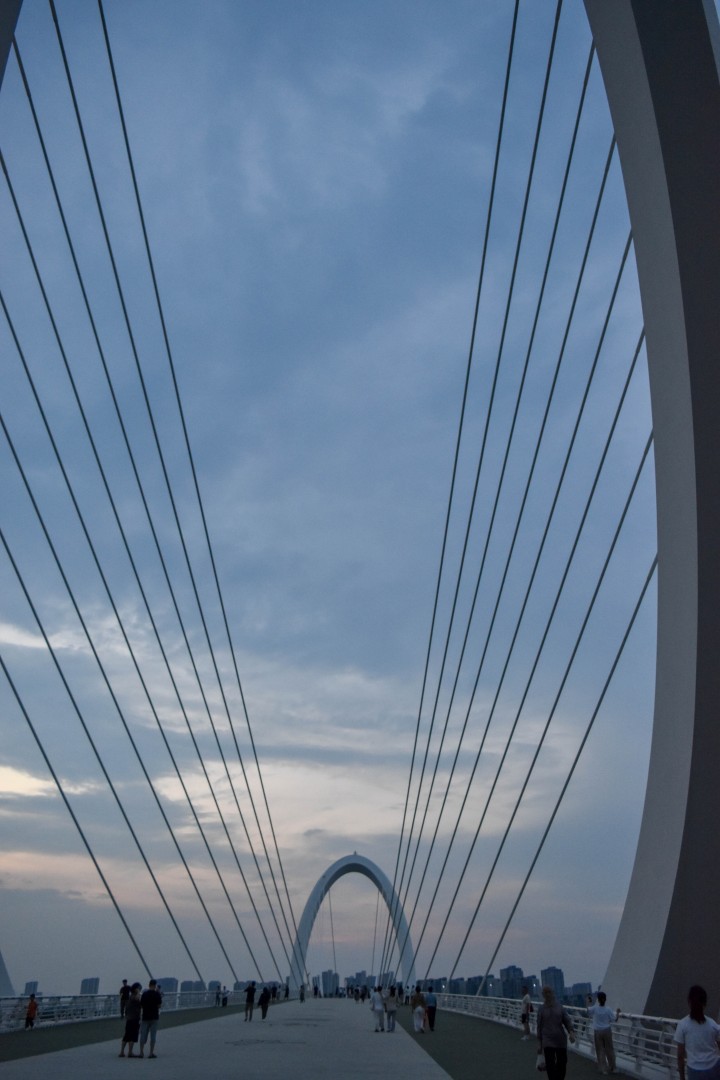
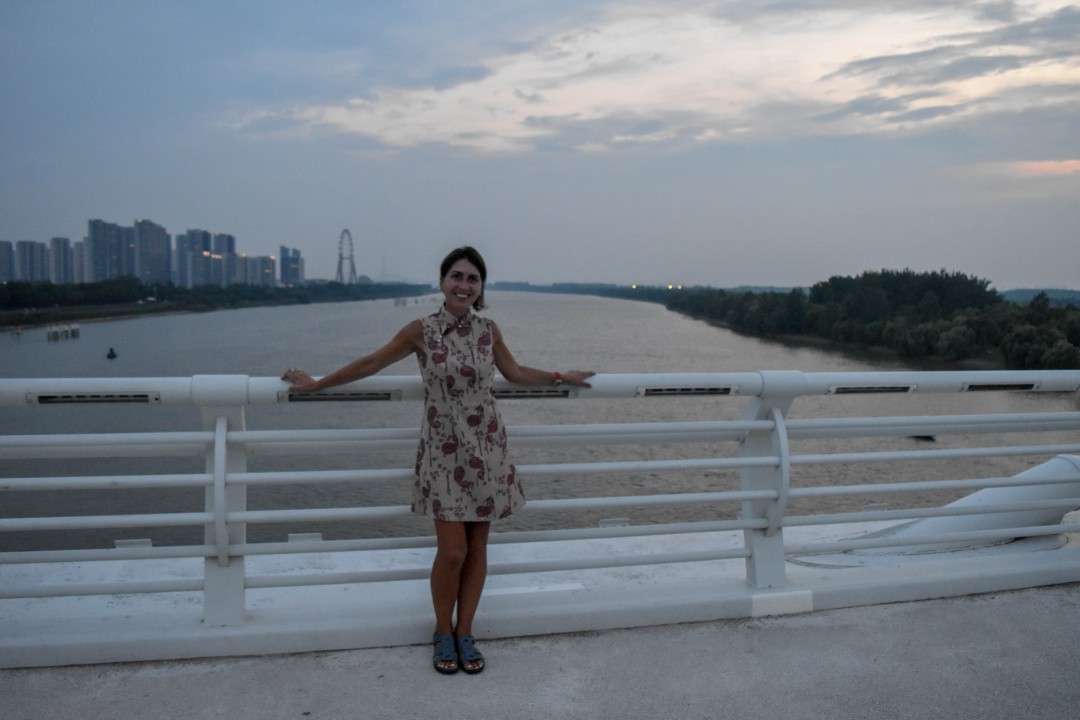
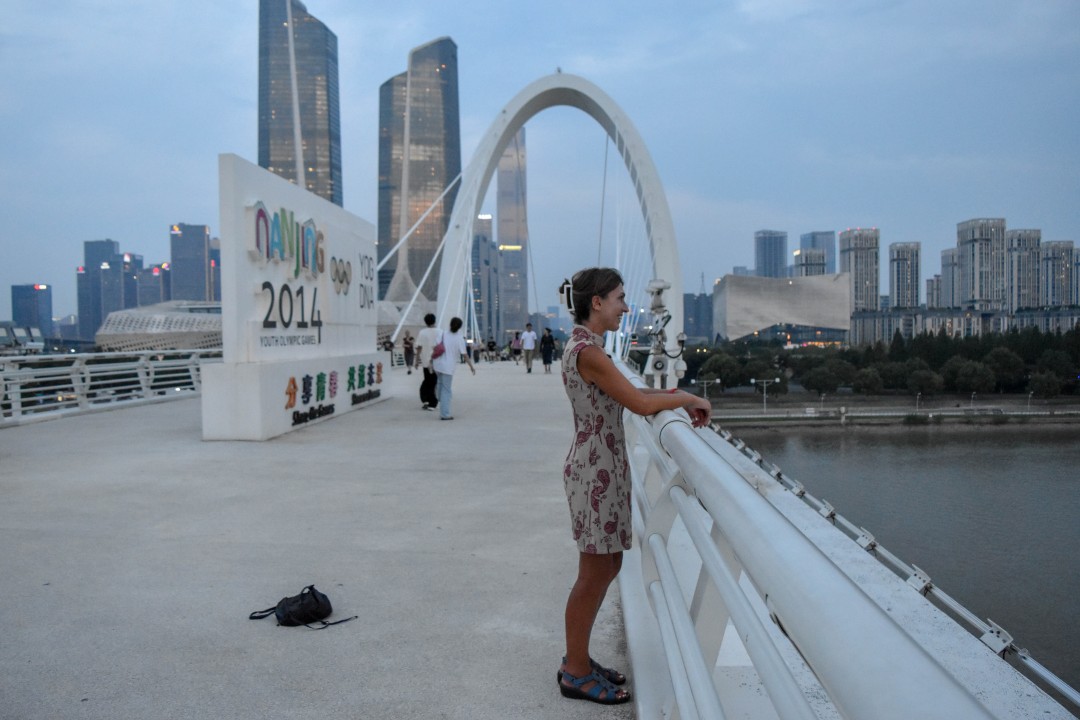
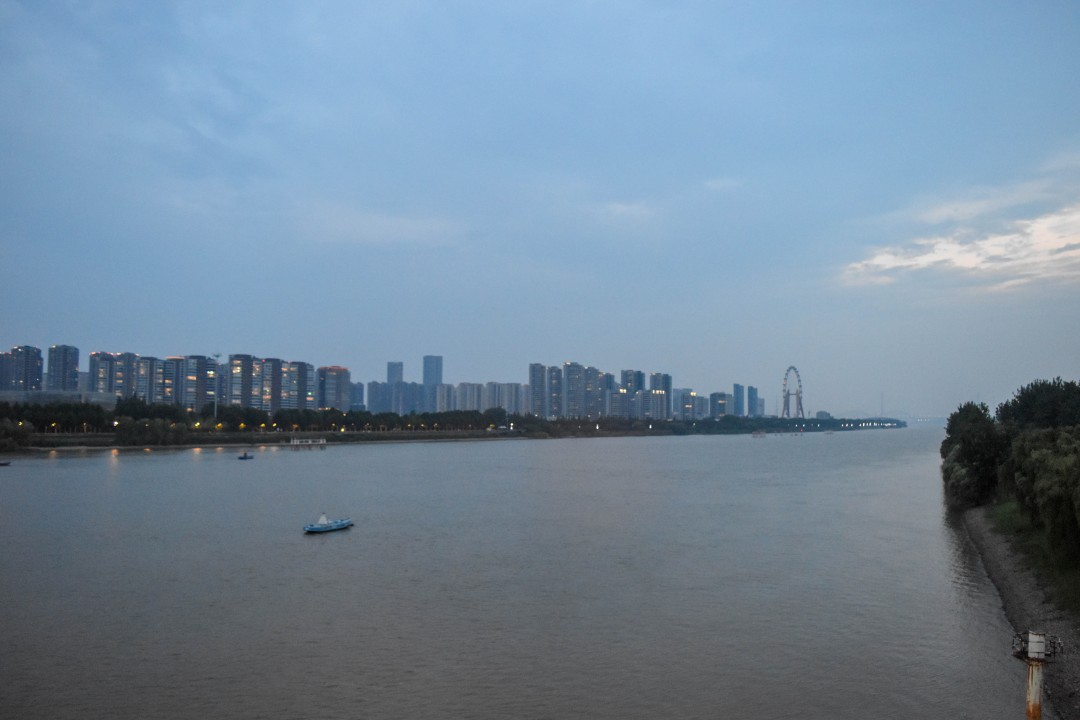
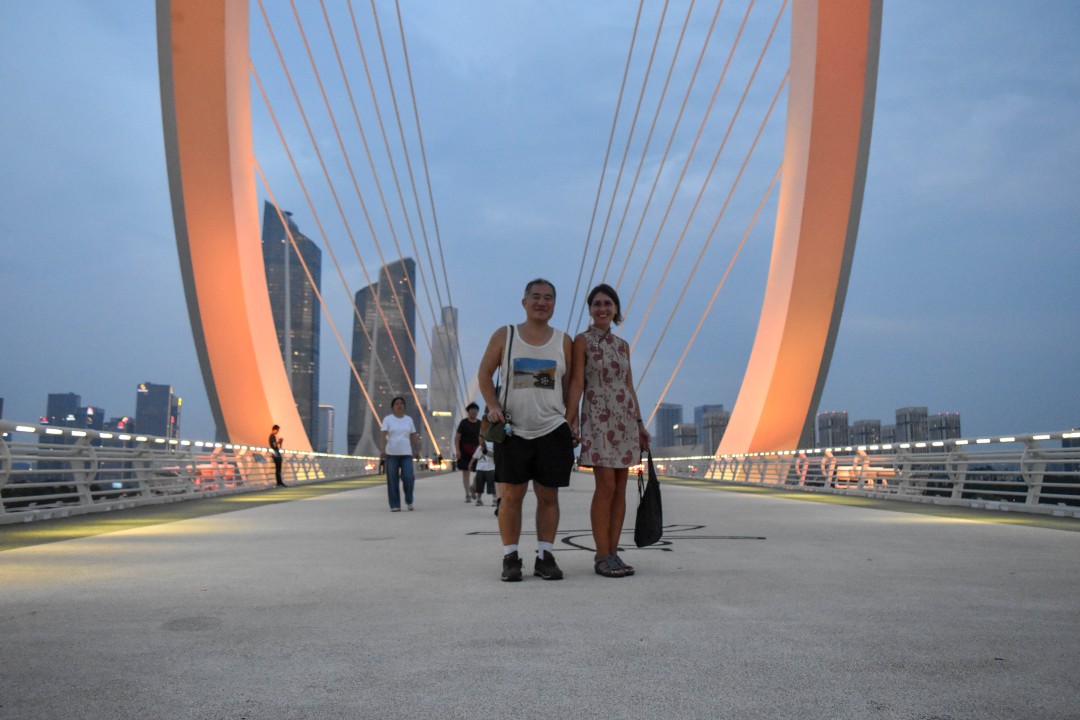
It took a while, but we made it to the riverfront. Perfect timing too, because the sun was setting and yes, the bridge was a real beauty. Those two oval rings really do make it look like an eye. We started at the observation deck, then realised we could, you know, walk on the bridge since it’s a pedestrian bridge.
We didn’t feel like walking all the way back to the subway station, so we worked on our Chinese app skills to rent a bike—a thrilling ride in the dark through traffic, with workers also going home much faster and much more impatiently than us.
We liked it so much we came back a second time, renting a bike from the start.
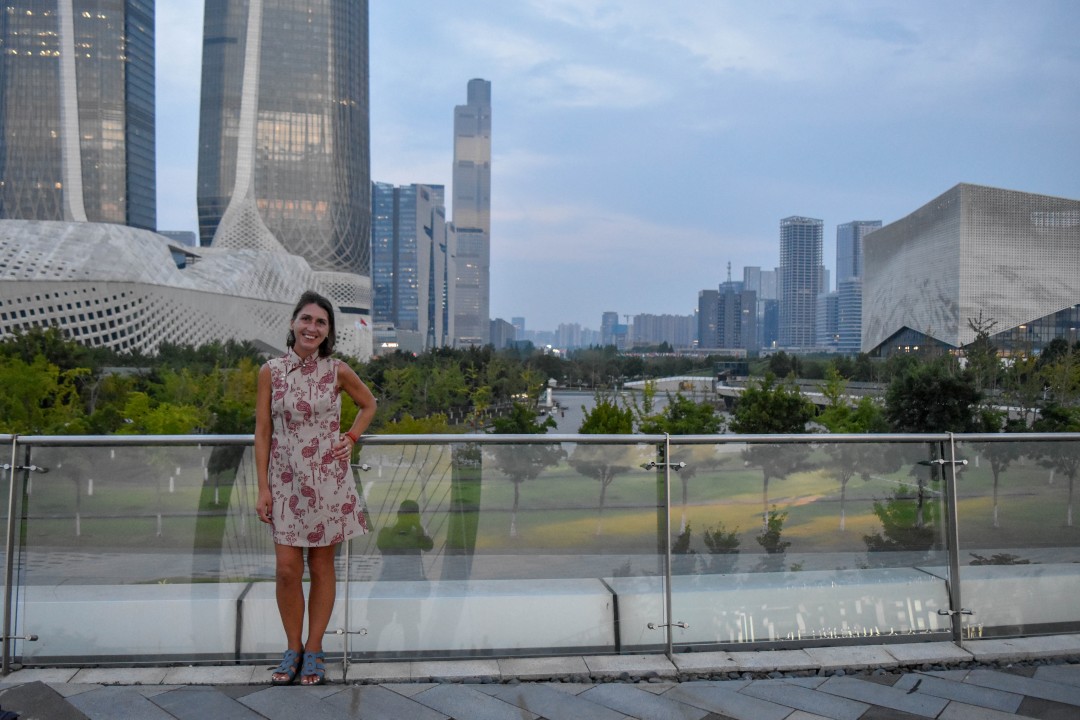
“Can you even bike with a qipao?”
Of course, I can. I’m half Chinese; it’s contagious after more than half a lifetime immersed in this culture!













Love the photos!
Thank you!