
Porto de Galinhas wasn’t a city I “knew” da mapa, like many others, because I spend too much time marveling at the map of Brazil and the five hundred places I have yet to explore.
No, I knew Porto de Galinhas dos chapéus. It must be one of these Instagram trends—Brazilian women love Bolero hats, preferably with their name or a city name embroidered on them, along with a heart, of course.
I must have seen dozens of Porto de Galinhas hats over the years along the Nordeste coast. I deduced it was a beach town and decided to give it a shot this year to escape Recife’s shark-infested shoreline.
That’s pretty much how I ended up in Porto de Galinhas. As for how, it turned out to be easier than I’d thought—but figuring it out still took a little while.
On my first afternoon, Porto de Galinhas confused me to no end.
My Uber dropped me at the intersection of the main road to Recife and a smaller avenue where—shockingly—cars actually let pedestrians cross. I walked to my Airbnb on Praça Dezessete, mysteriously located across from Praça Doze. I didn’t bother learning street names—according to Google Maps, half the town is called “Rua Esperança.”
“Don’t go to the Soberano supermarket across the street,” the building receptionist told me confidentially while I waited for the apartment to be cleaned. “It’s crazy expensive. Just walk up the street, past the roundabout, to Arco Mix.”
I thanked her profusely but still crossed the street to check out Soberano—the Brazilians and I don’t necessarily have the same grocery list. I just needed water, vegetables, cheese, pasta… holy hell. Twenty-five reais for penne?
They were right. Soberano has to be the most expensive supermarket in Brazil. Crazy. Easily triple the price.
I walked back into the building with bags from Arco Mix and earned a few approving thumbs-up from the wise staff.
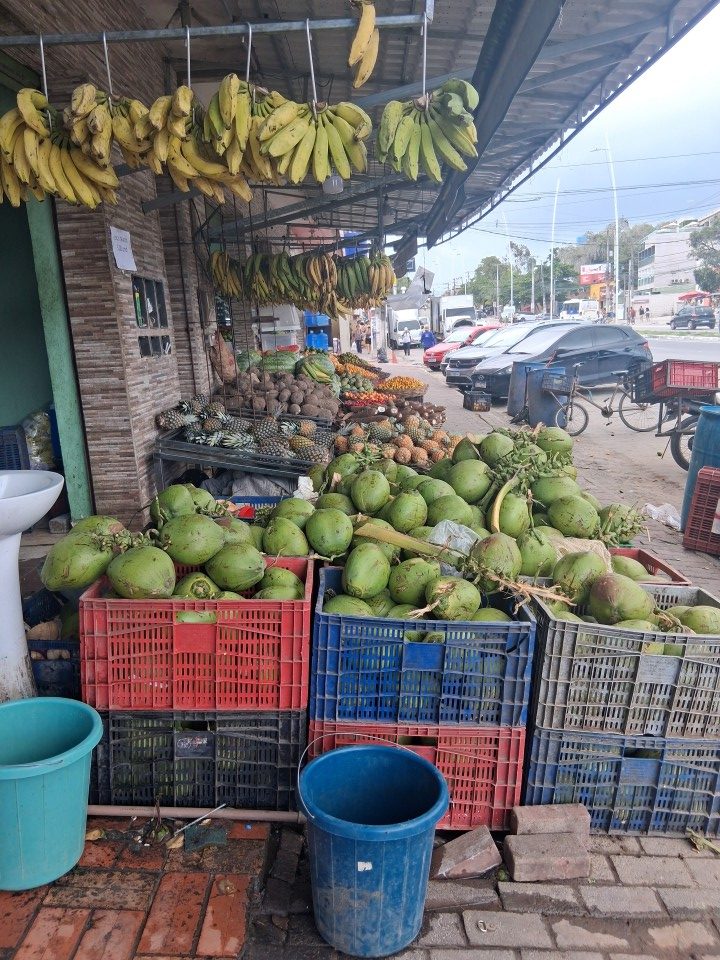
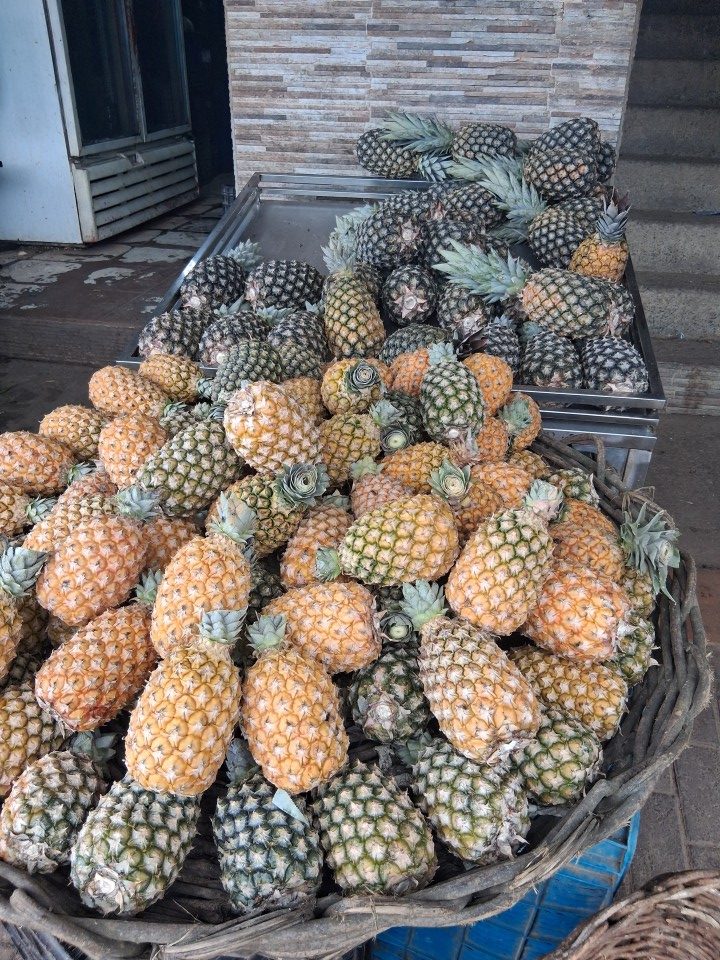
Lesson one. Porto de Galinhas is expensive. The product selection is underwhelming. Half-rotten produce. Four-real bottles of water. It reminded me of Itacaré or Morro de São Paulo, except both places have an excuse—they’re remote, while Recife is just an hour’s drive away.
Then I hit the pedestrian streets, all leading straight to the beach—well, not “the” beach but Praia de Porto de Galinhas. Of course, tour vendors lined the way, promising even better beaches all around, including in Alagoas, the state just south of Pernambuco.
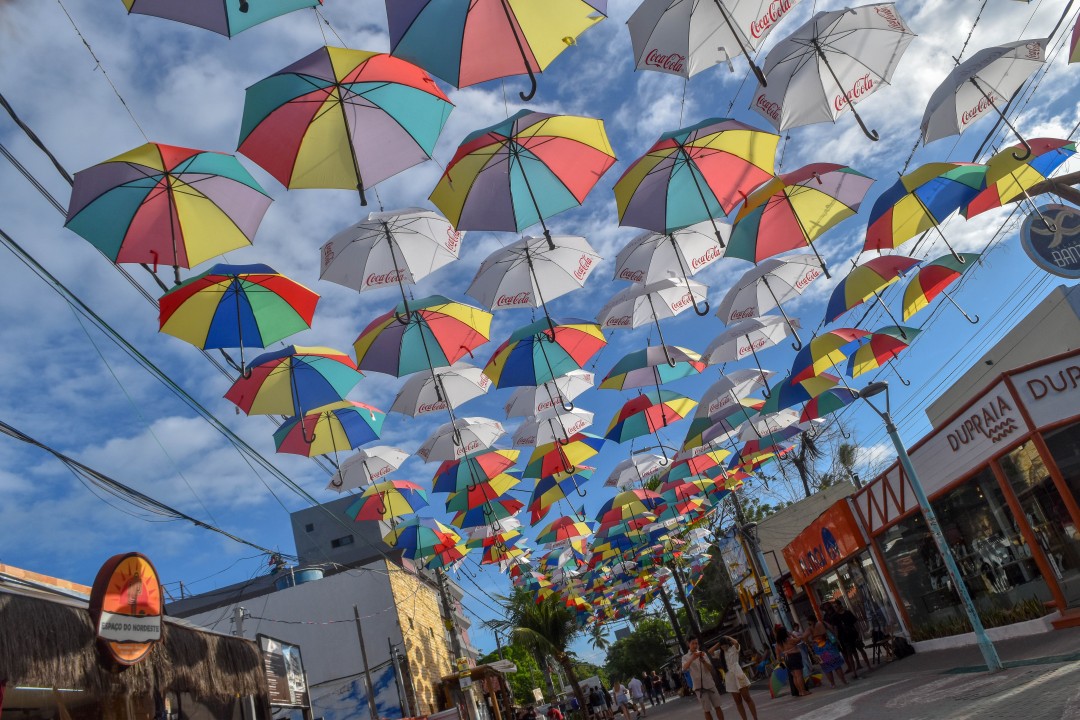
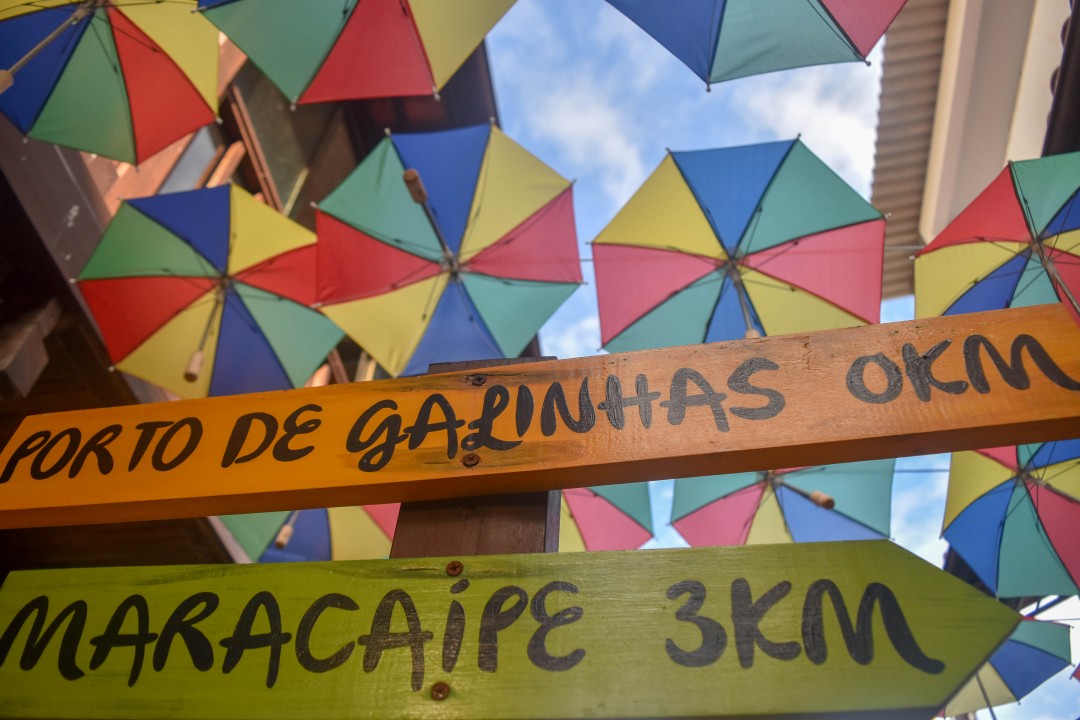
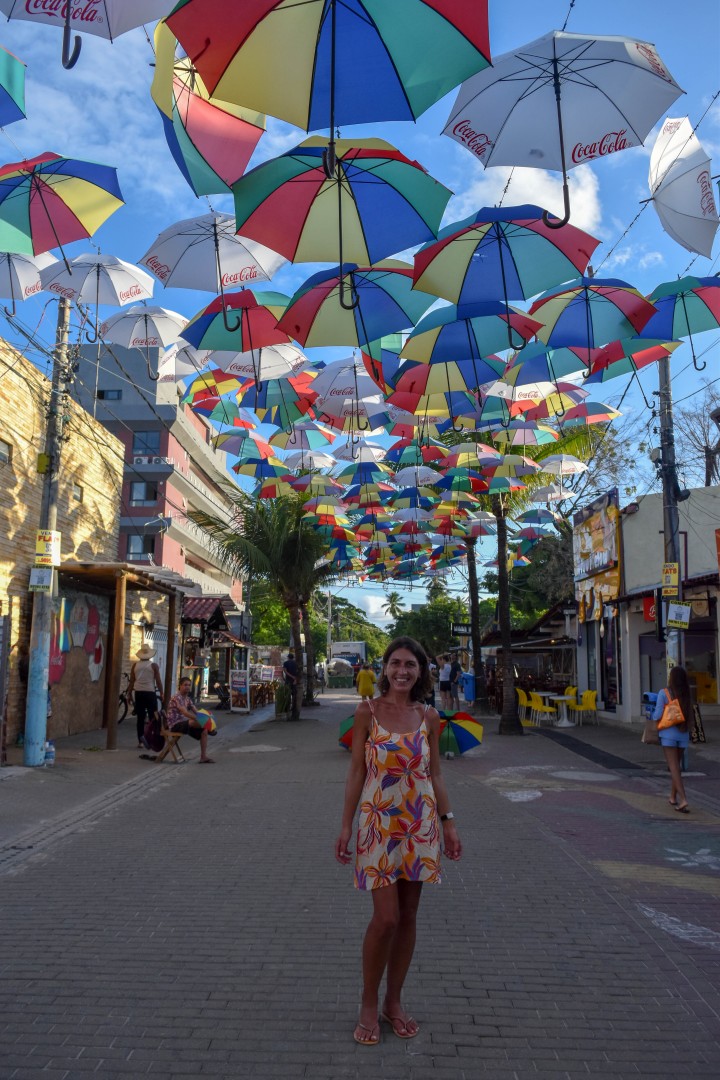
No thank you. I’ll pass on the passeio de buggy. And no, I don’t need a professional photo shoot on the famous “guardas-chuvas” street with its colorful frevo-style umbrellas.
Was there anything here for me?
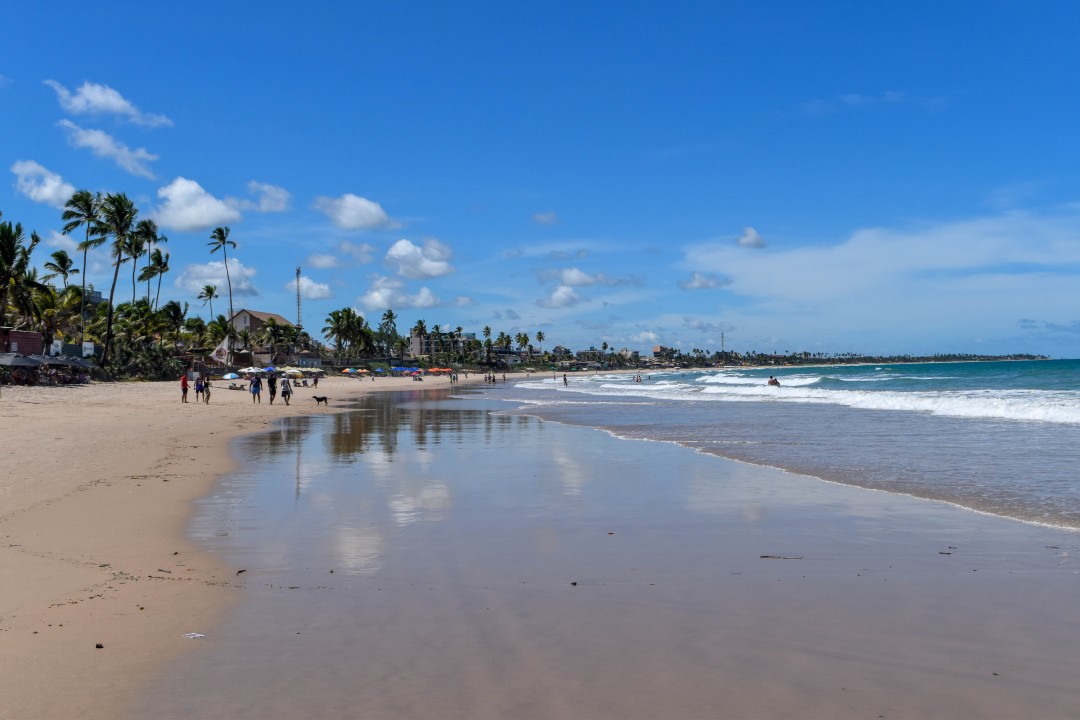
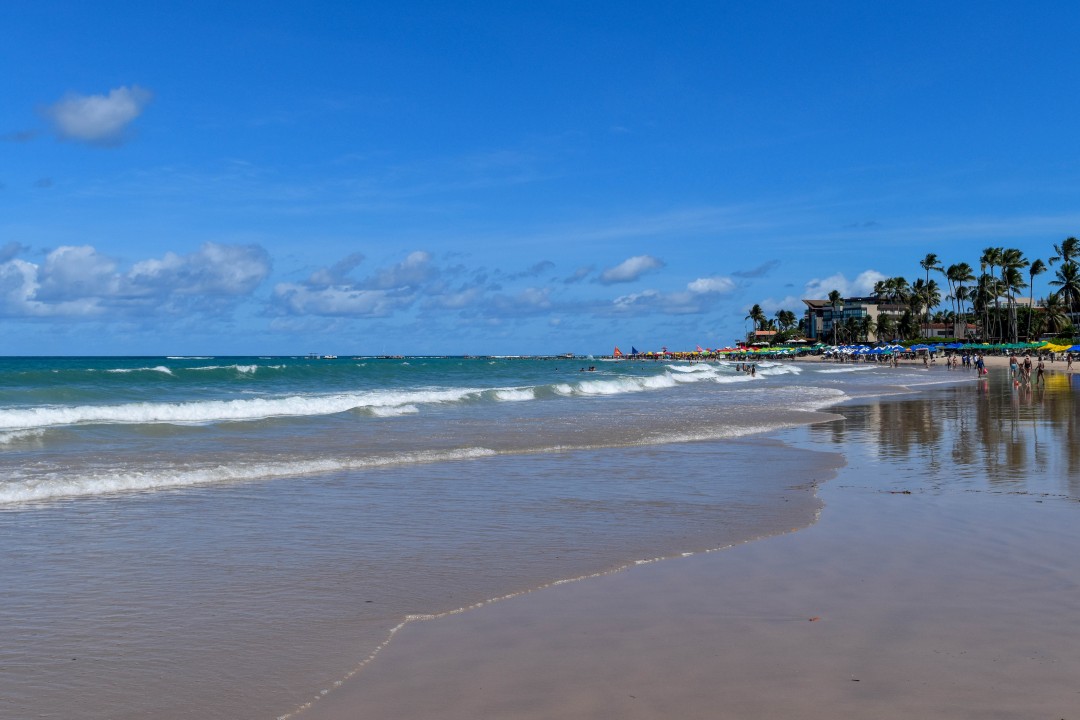
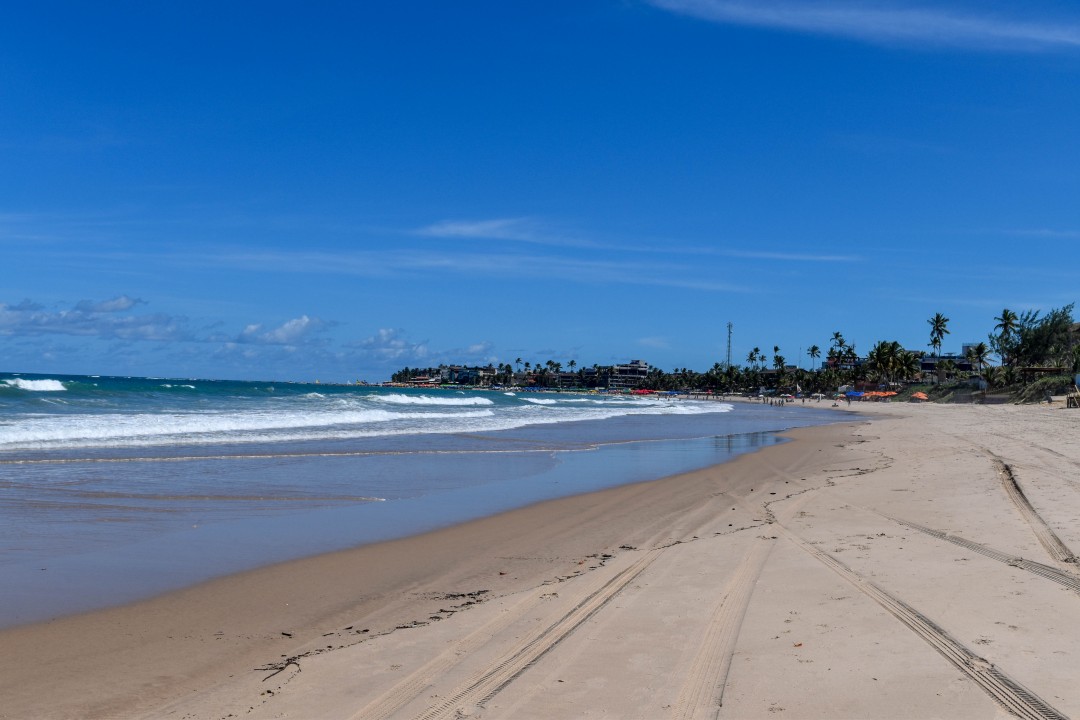
Yes. The beach—the one I could walk to. Lovely.
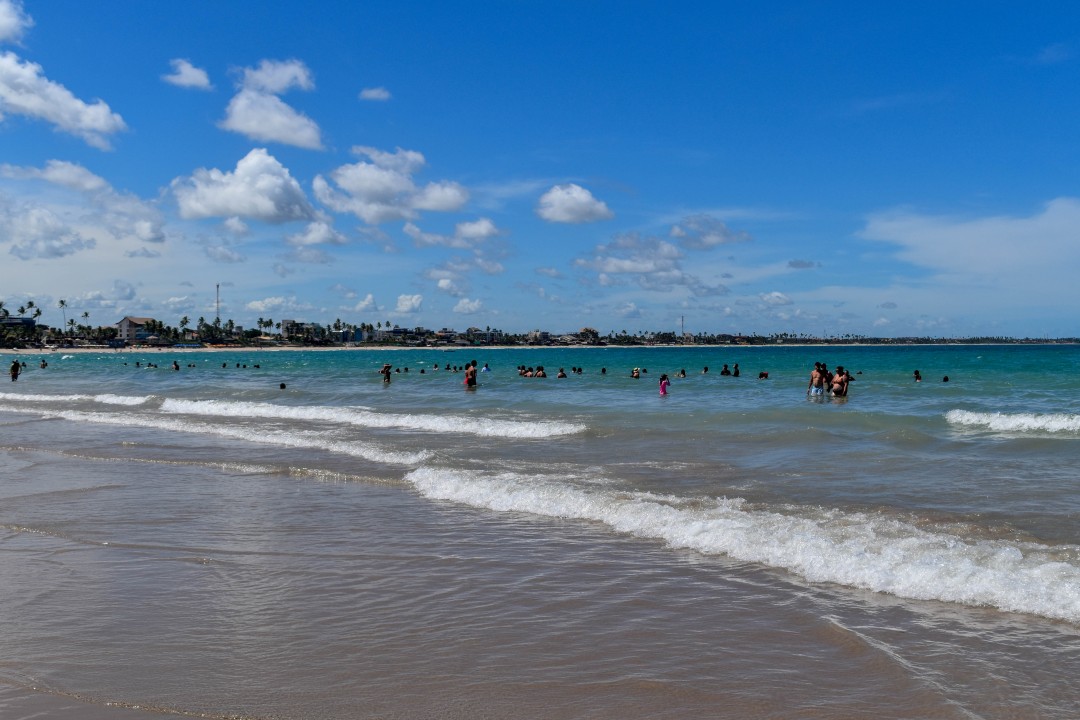
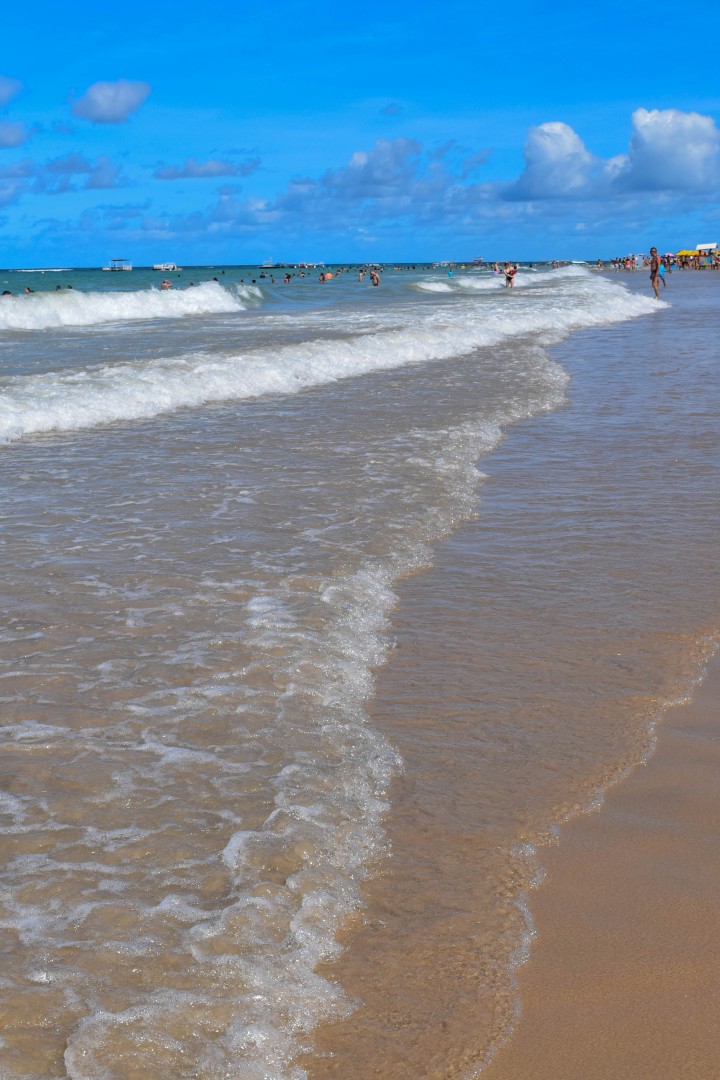
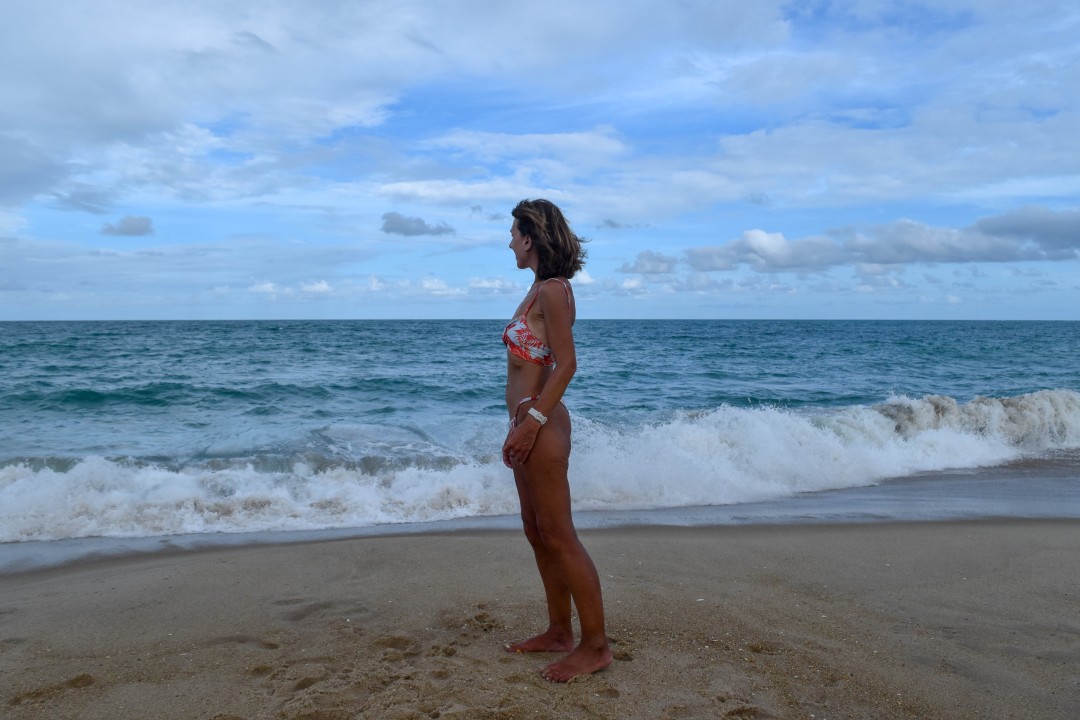
Crystal-clear turquoise water. A tad colder than in João Pessoa but still 28°C. I know. That’s warm.
I had many conversations in Portuguese, Spanish, and Portuñol. I couldn’t believe how packed the beach was. It’s March. It’s supposed to be low season. There are no holidays. Yet it was full of families and kids from Argentina, Uruguay, Chile, and all over Brazil.
I still couldn’t quite pin down the vibe. Resort town? Not really—not glamorous enough. Hidden paradise? Hardly, with Recife and a major airport just an hour away.
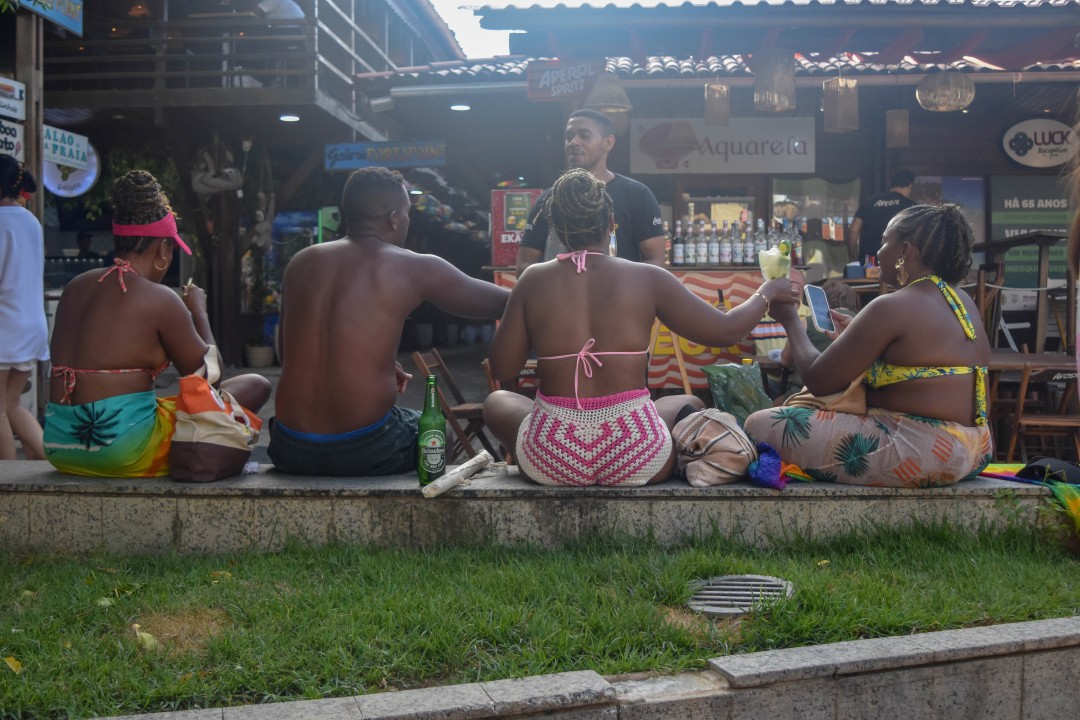
The crowd was eclectic. Lost Argentinians buying empanadas from other Argentinians who had decided to call Porto de Galinhas home. Brazilians Instagramming their holidays. Visitors from São Paulo and Belo Horizonte splurging on beachwear. First-timers who couldn’t swim. Beach bums jumping waves.
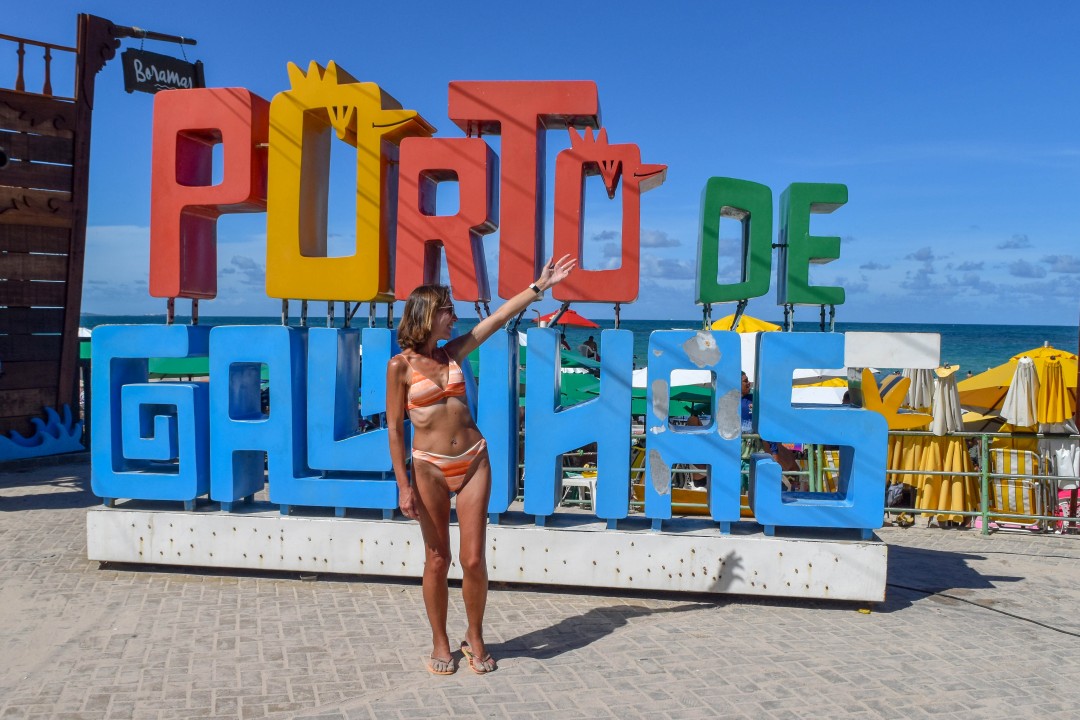
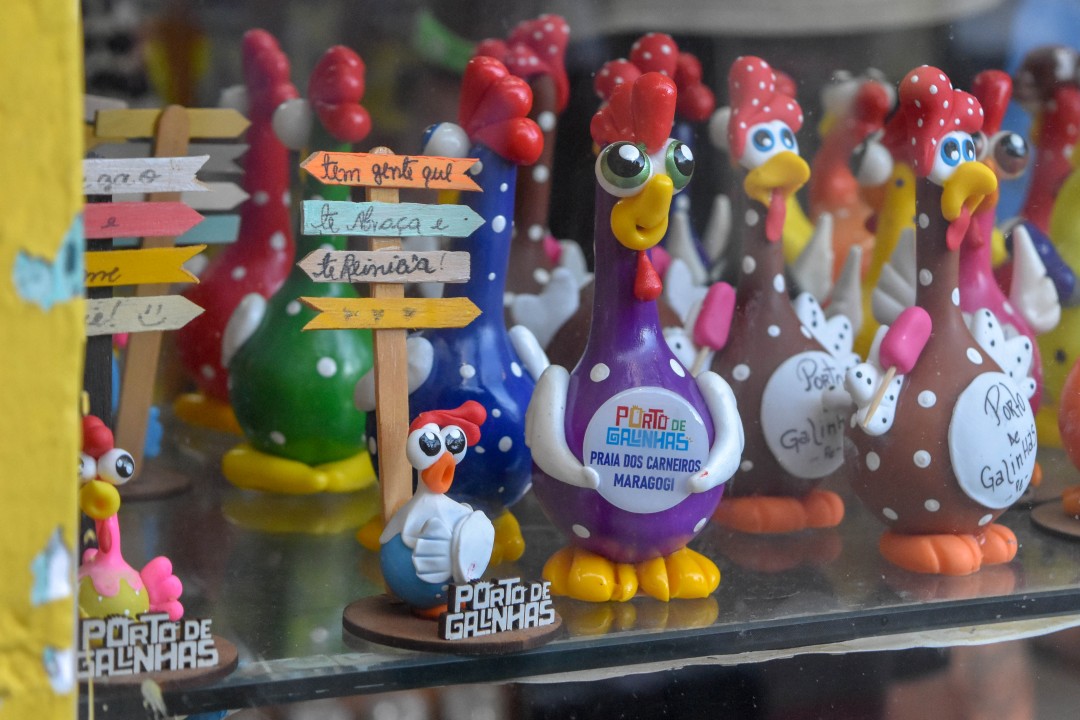
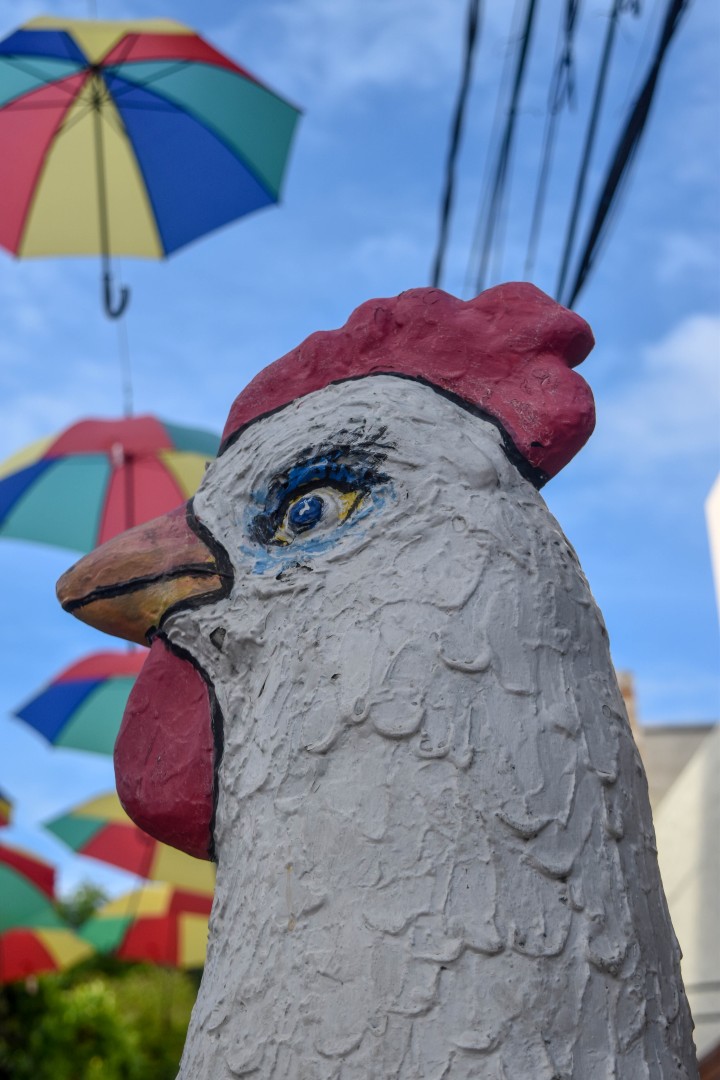
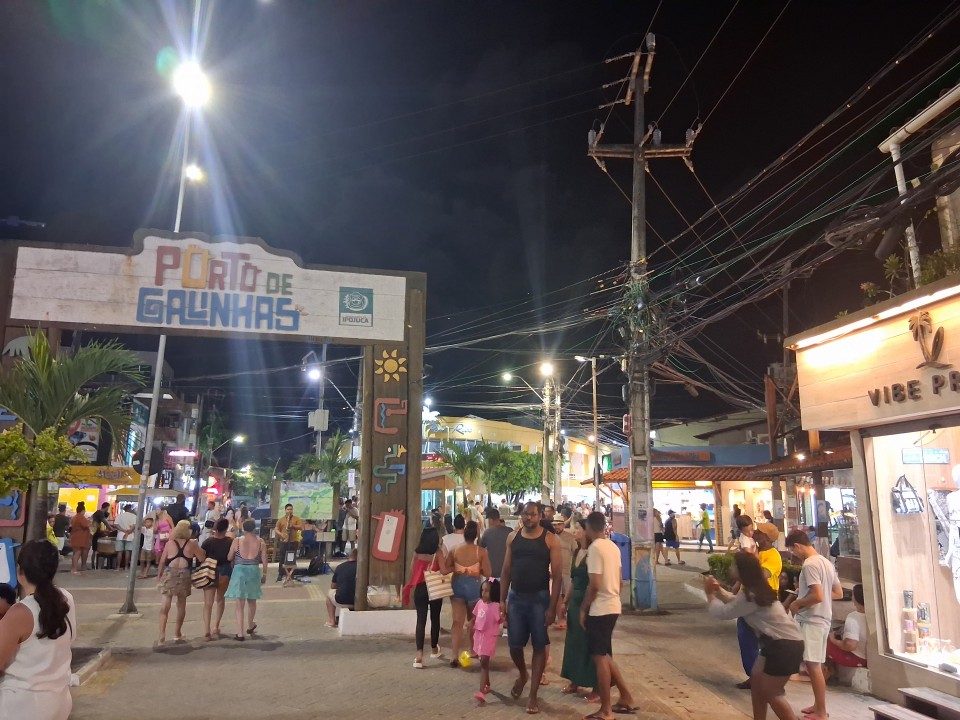
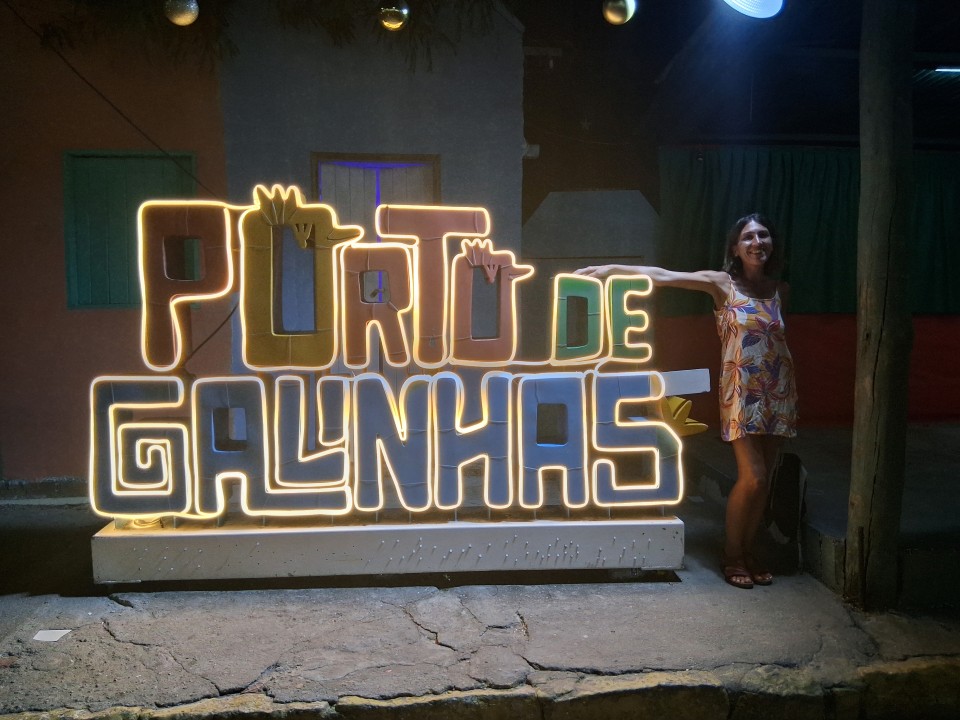
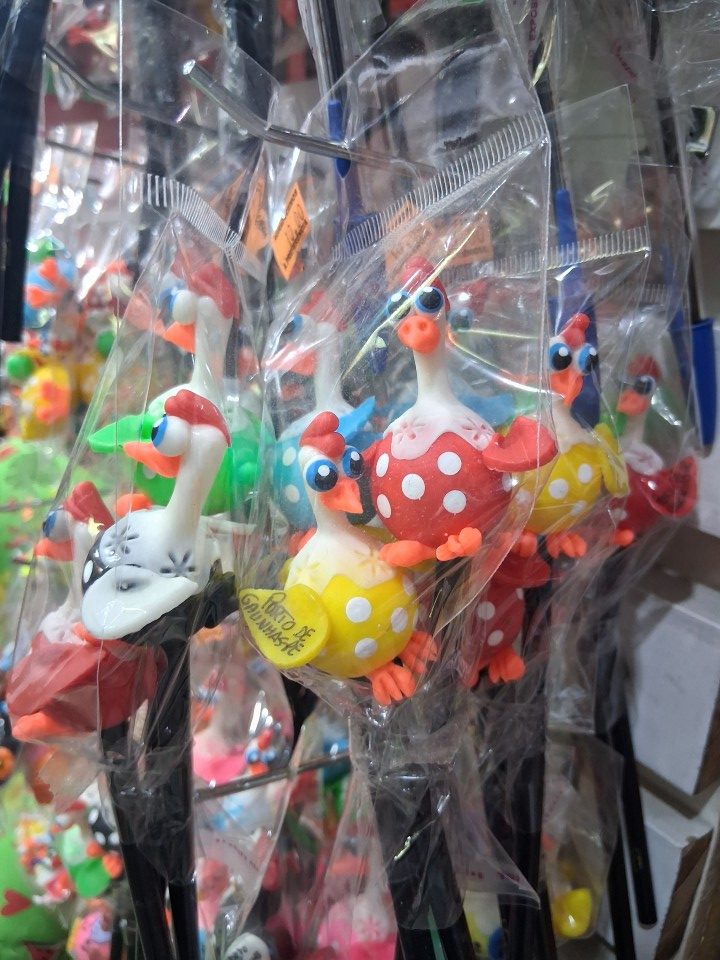
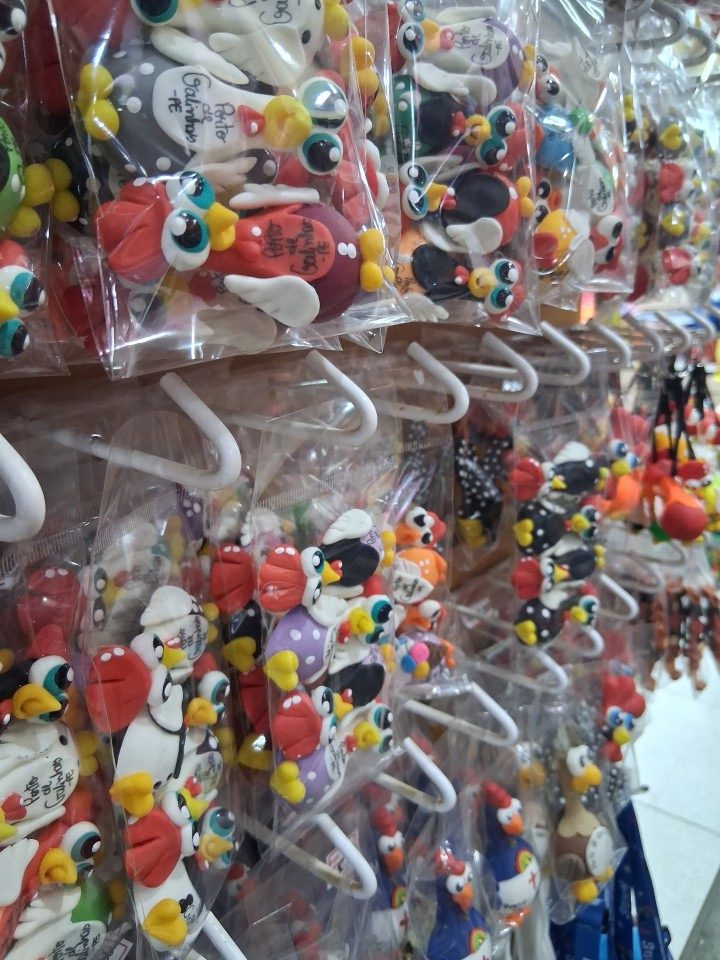
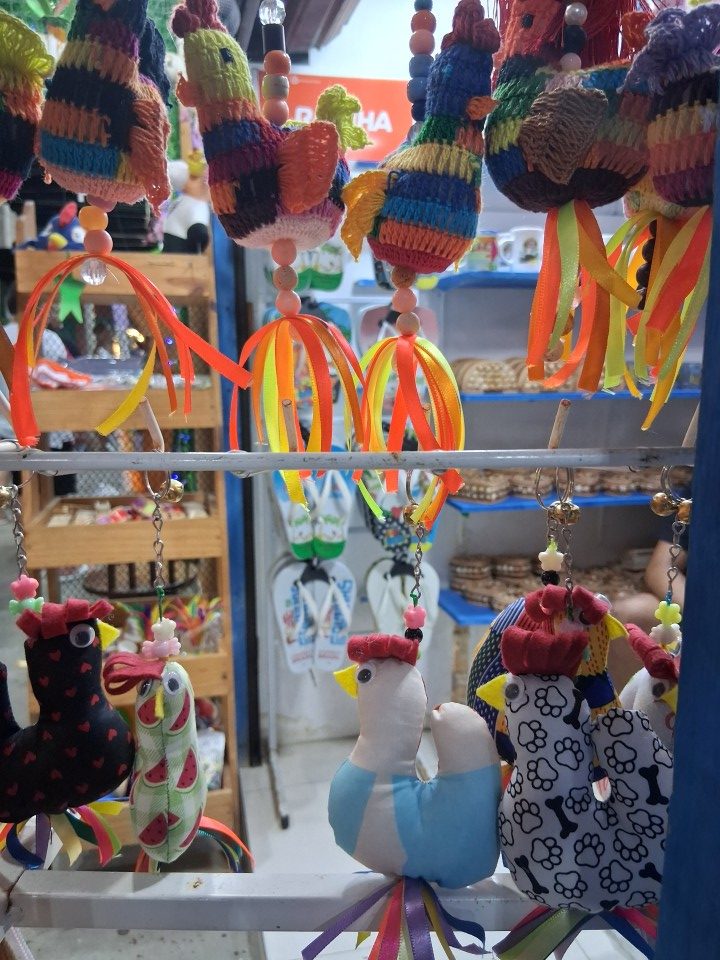
The rhythm of Porto de Galinhas, though, was clearer. At 5 p.m., the beach crowd packed up—the sun dipped lower and the tide rose so high that chairs and tables were half submerged. Then everyone funneled into the three or four pedestrian streets to take pictures of the many Porto de Galinhas signs, buy chicken-themed souvenirs, and eat Nordeste food.
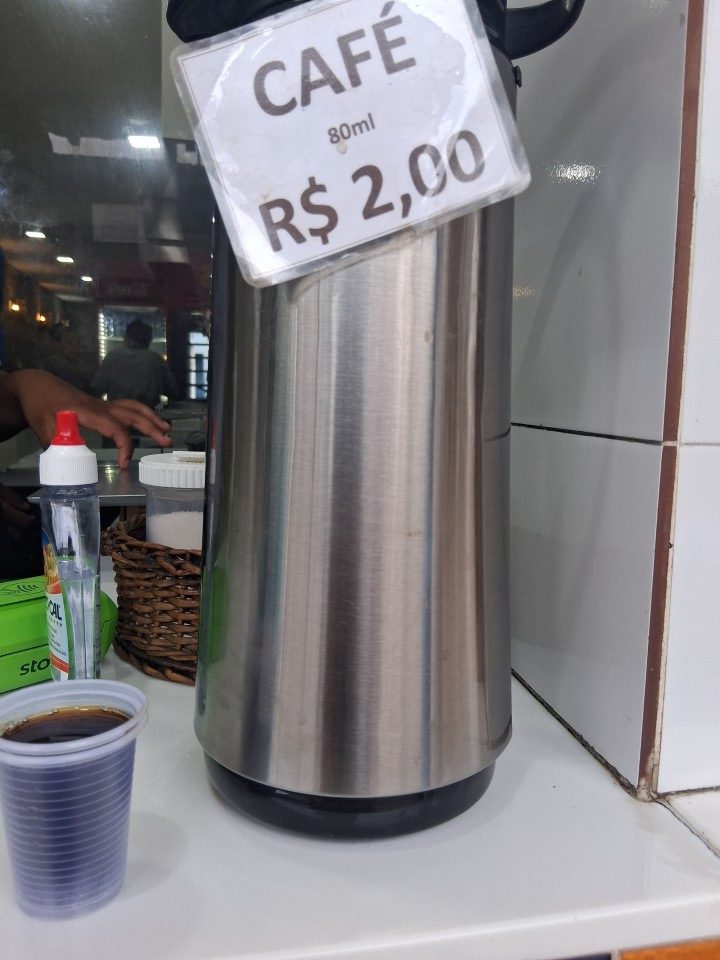
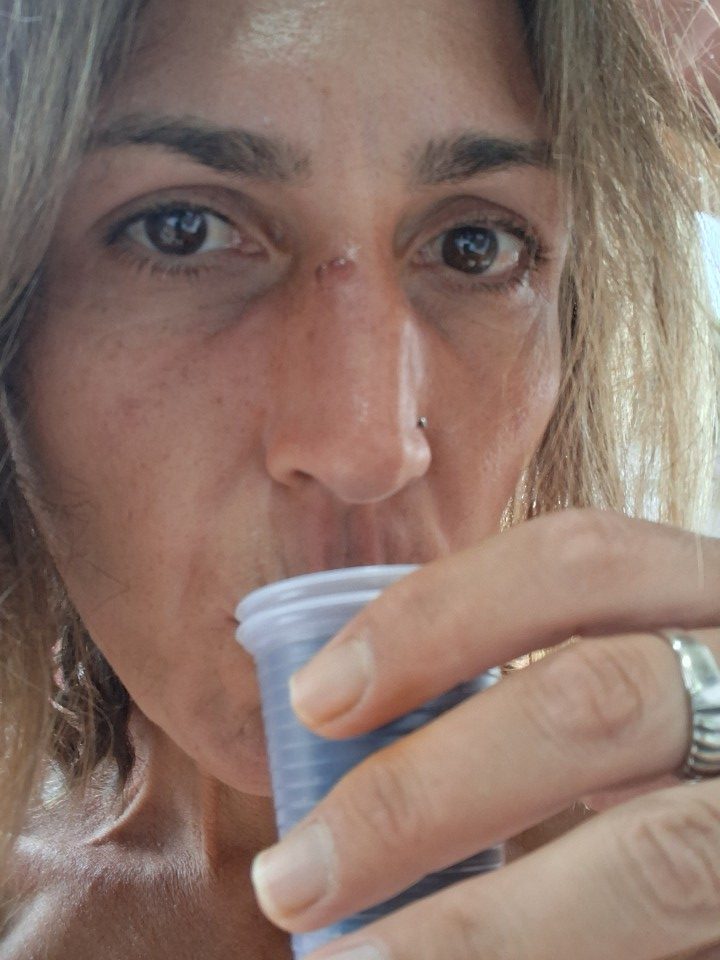
I bought many cups of two-real coffee that first evening.
Evenings in João Pessoa were about slowing down and indulging—cake slices sold on the sidewalk, foot massages along the waterfront. Hedonistic. Relaxed.
But Porto de Galinhas didn’t wind down at all. Vendors were still offering buggy trips, people were still shopping for the perfect bikini at 10 p.m., and everyone kept bumping into each other in the narrow streets, most of them quite drunk.
I walked back to the apartment convinced there was something for me in Porto de Galinhas—something I just hadn’t uncovered yet.





Leave a reply