
It only took me a quick walk around the blocks, plural, in Nanjing to realize I would have to look for food.
Oh, don’t get me wrong, there was food around, plenty of it, with tons of bright signs and pictures of people overjoyed by the sight of their bowl. But there’s no way I would have had the same look on my face.
Yes, the duck obsession again. Lots of ducks hanging behind windows, promising duck soup vermicelli, roasted duck and more ways of eating duck than I could possibly imagine.
I don’t travel for the Internet and I don’t tick out experiences for click factor. Don’t count on me for yāxiě fěnsī tāng (鸭血粉丝汤), duck blood vermicelli soup. I don’t care if it’s a must-have in Nanjing.
No need to panic. There had to be other options, mostly because food and people travel in China—I was pretty sure I could find any provincial specialty I was craving in a city like Nanjing.
I love food and I take it kind of seriously, although not in a conventional snobbish kind of way. I don’t care if it’s simple as long as it’s tasty. I like fresh ingredients, spicy oils, salty soy sauce and vegetables I’ve never heard of (note that I’m more conservative when it comes to protein; I’d rather they come from an animal featured in kids’ books. I’ll pass on silk worms).
I’m not one of these North American “must eat, my blood sugar is low!” snackers, but I’m a one-meal-a-day kind of person, mostly because I can’t be bothered to stop what I’m doing to eat.
When I eat, I fucking eat, and when nighttime comes, I savour all the foods I patiently gathered during the day.
Yes, gathered.
I’m a hunter-gatherer in China, the only country where I don’t cook my own meals. It’s pointless. Many Chinese people don’t really cook at home every day either; the food is just too complicated to make and too cheap outside to bother with a million ingredients.
So, what do I eat and what do I crave in China?
Noodles.
My Western stomach doesn’t deal with white rice well. I do live on rice in Ottawa, but I use either brown rice or pack white rice with extra fibre.
Feng and Mark don’t seem to have the same problem. Damn Asian them.
What kind of noodles? Well, among my favourites are the simple-yet-hard-to-master xīhóngshì jīdàn miàn (西红柿鸡蛋面), tomato and egg noodles; zhájiàngmiàn (炸酱面) with fermented soybean paste sauce; the fiery red Chóngqìng xiǎomiàn (重庆小面); niúròu lěngmiàn (牛肉冷面), cold noodles topped with sliced beef, vegetables and a savoury dressing; májiàngmiàn (麻酱面), noodles with sesame paste sauce; zīrán miàn (孜然面), cumin noodles; niú ròu miàn (牛肉面), beef noodle soup; biángbiáng miàn (biangbiang面)… it’s quite a long list, really.
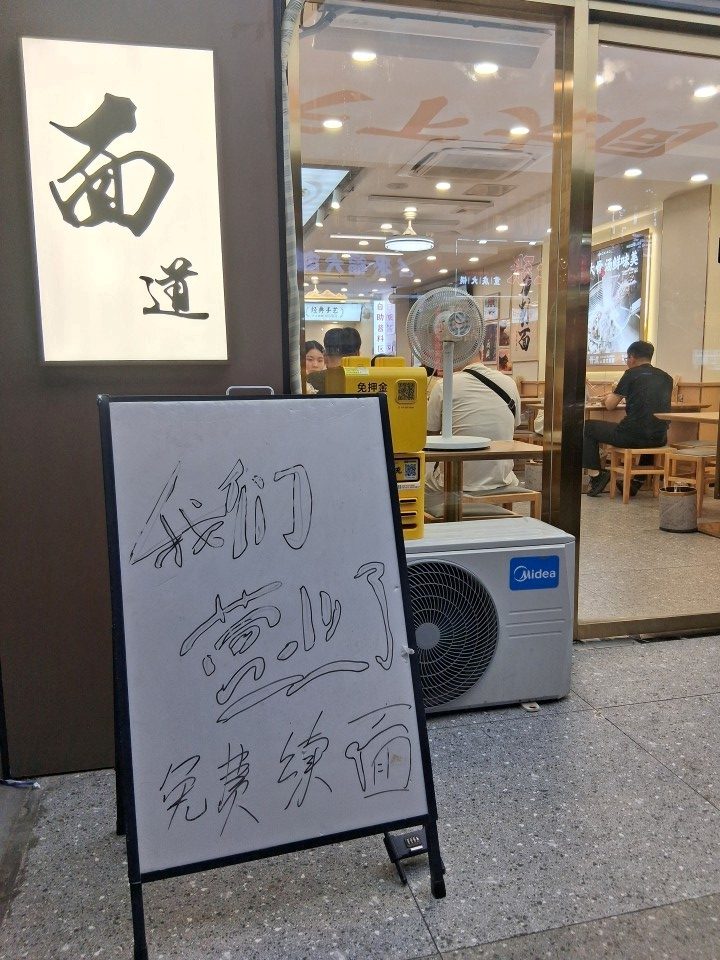
You’ll never see the end of China through noodles—remember this simple character, miàn (面).
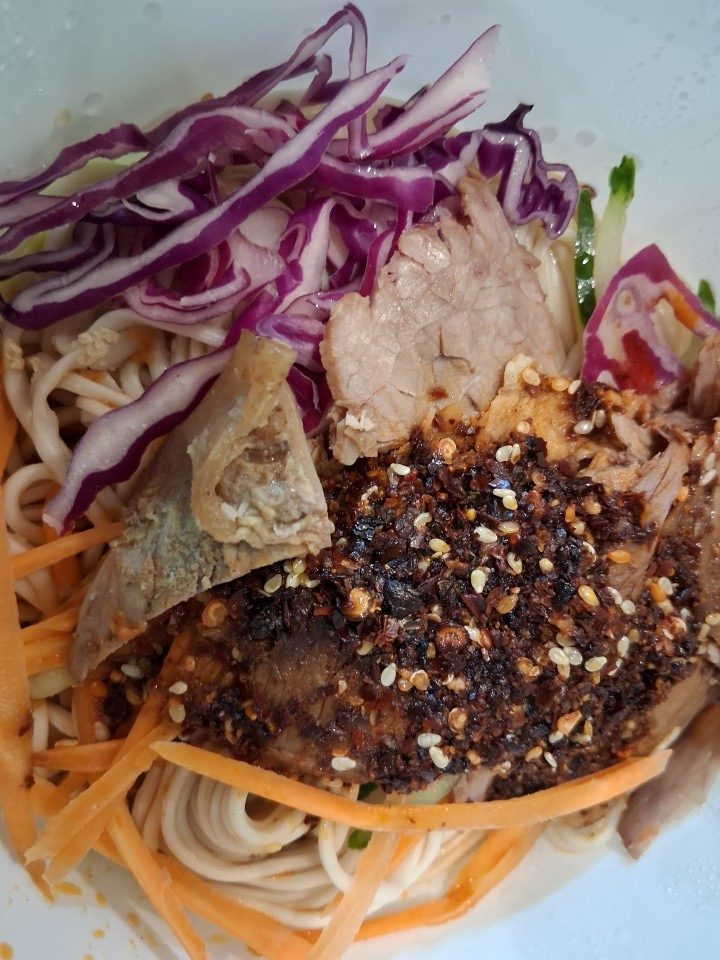


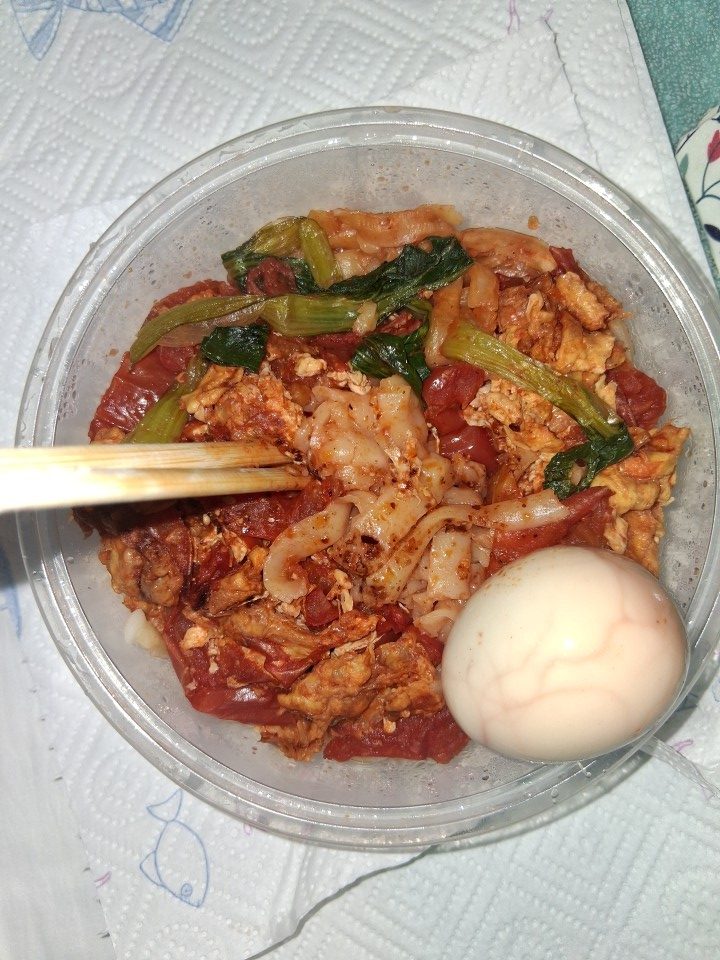

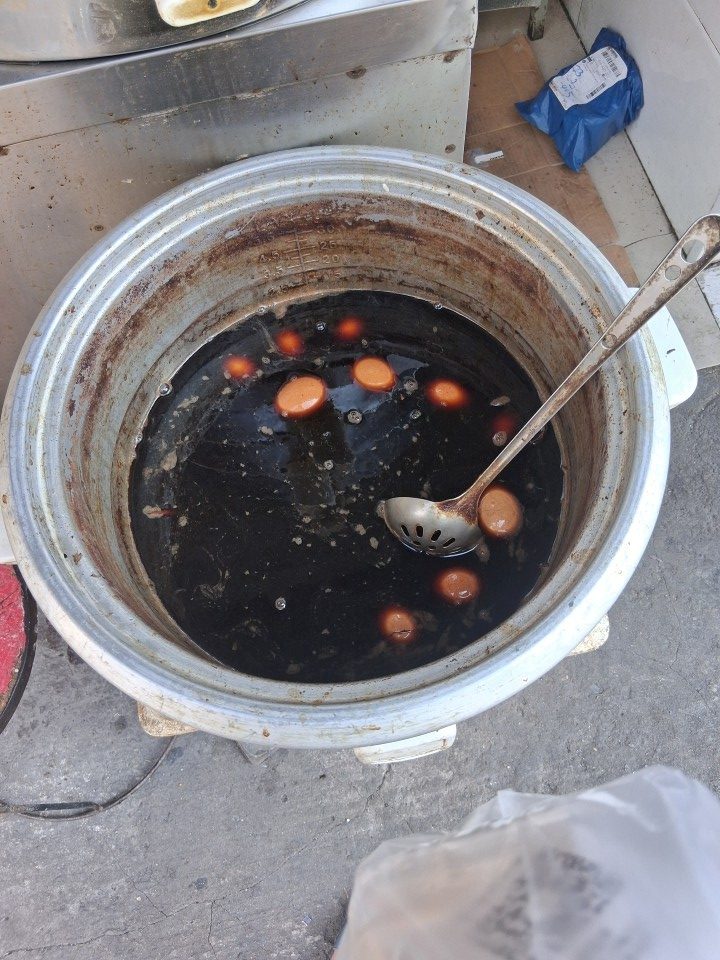
I often top my bowl up with a cháyèdàn (茶叶蛋). Tea eggs are deceptively simple, a killer to make at home but widely available in China for 1–3 yuan—just look for the egg cooker filled with dark tea-coloured liquid on counters in baozi shops, small eateries or convenience stores.

I usually have a few bāozi (包子) with it. I’m not picky about the filling, from the traditional pork to the classic (and smelly) jiǔcài jīdàn (韭菜鸡蛋) through mysterious green cài (菜) like méigāncài (梅干菜), spicy tofu and more.
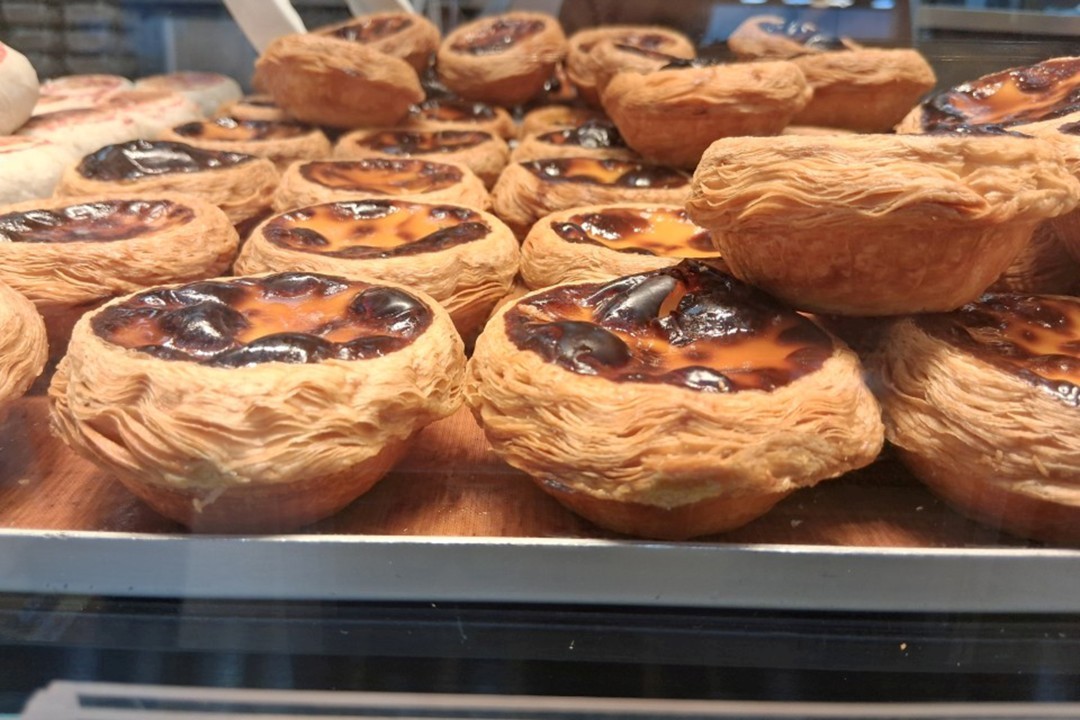
For dessert, the ubiquitous dàntà (蛋挞), egg tart, is often on the menu, as well as bōluó bāo (菠萝包), pineapple bun, pain au chocolat (oui oui!), scone, or anything bready, really.
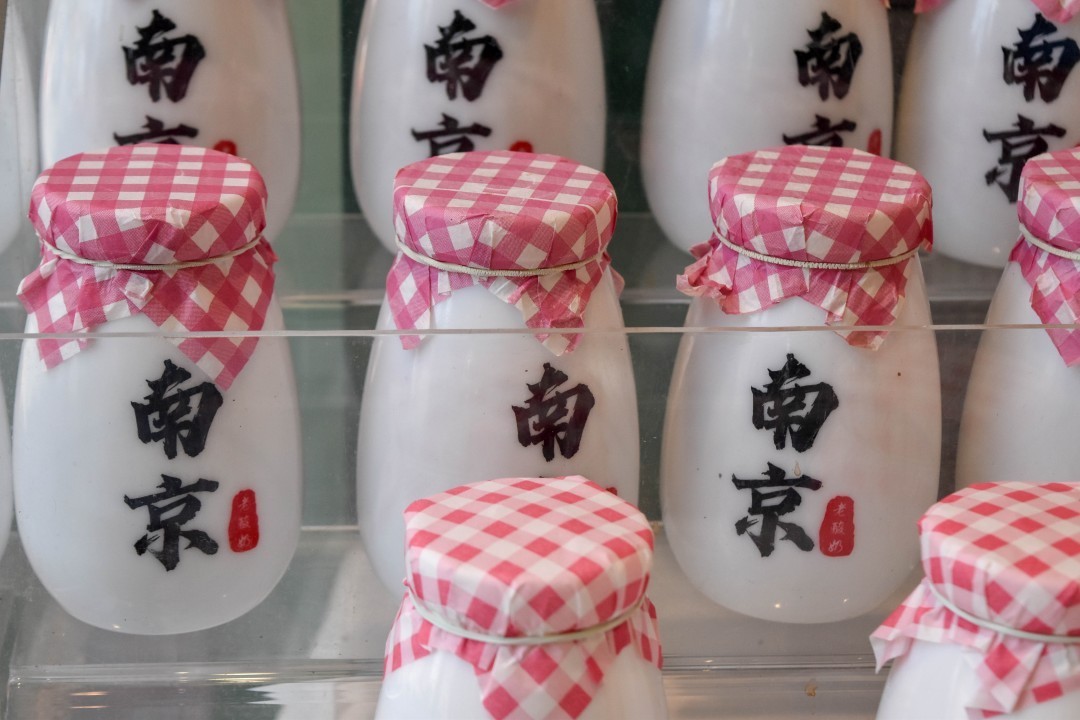
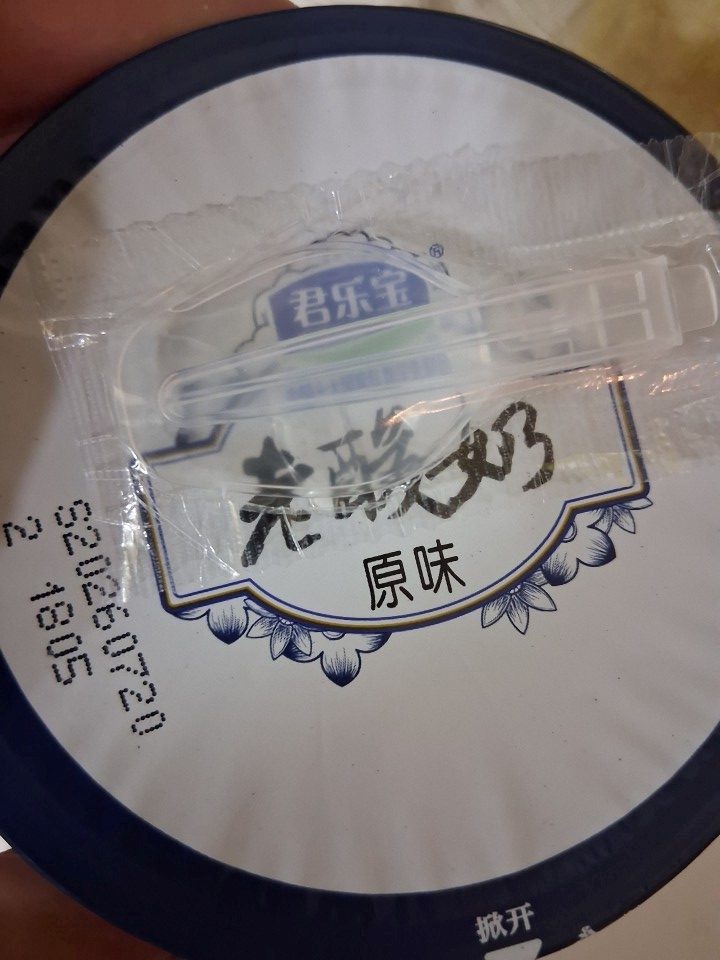
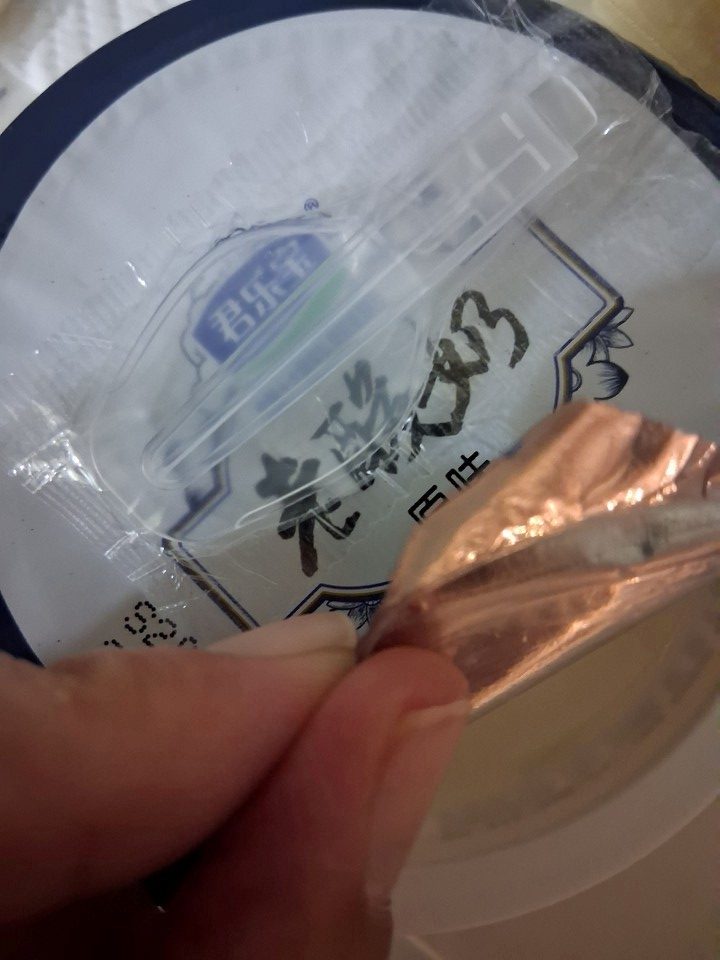
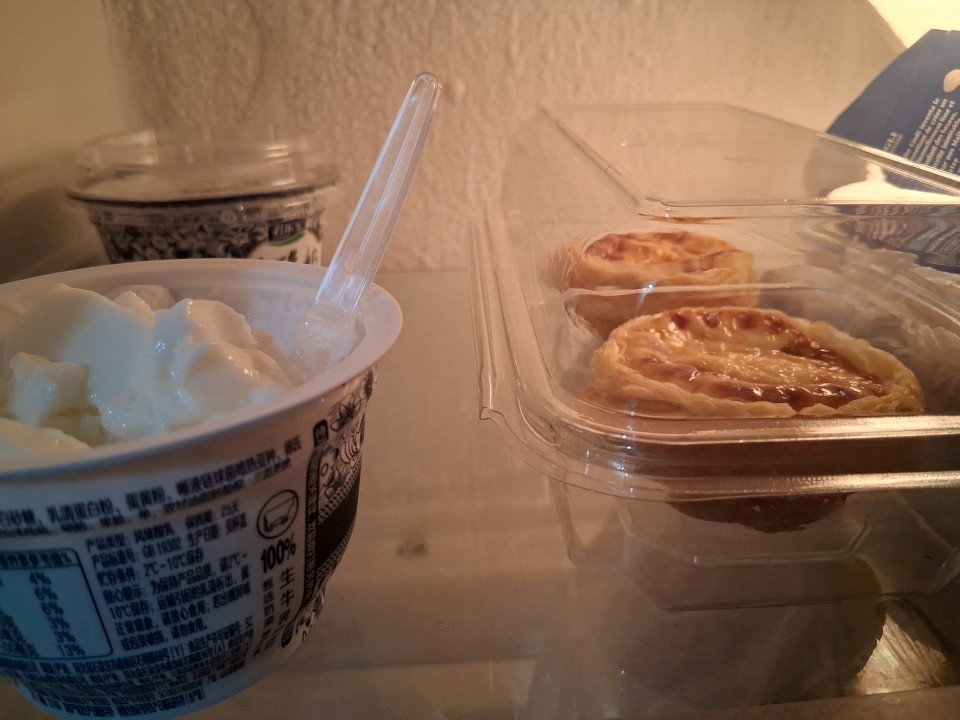
Oh, and a suānnǎi (酸奶). This is China’s most appreciated yogurt. The traditional suānnǎi (酸奶) comes with a straw—it’s the first Chinese trick I taught Mark when he was two: you gotta stab the yogurt.
The smaller version comes with a small spoon because the Chinese are very practical.

Okay, back to Nanjing. What to eat?
My first issue was baozi. See, Nanjing is not really a baozi city; the local speciality is xiǎolóngbāo (小笼包).
Bāozi (包子) are doughier and bigger, while xiǎolóngbāo (小笼包) have a thin, delicate wrapper and are filled with soup, meaning your tongue gets burned every time. Texture-wise, I prefer bāozi (包子).


Feng and I wandered in the back streets until we found a woman with a thick Anhui accent selling baozi. She kind of shouted at us for not fully understanding the extensive menu, but she’s been supplying us with good stuff since Monday, although I can’t exactly confirm what I’m eating. Phew.

包子 (bāozi) — steamed buns with various fillings
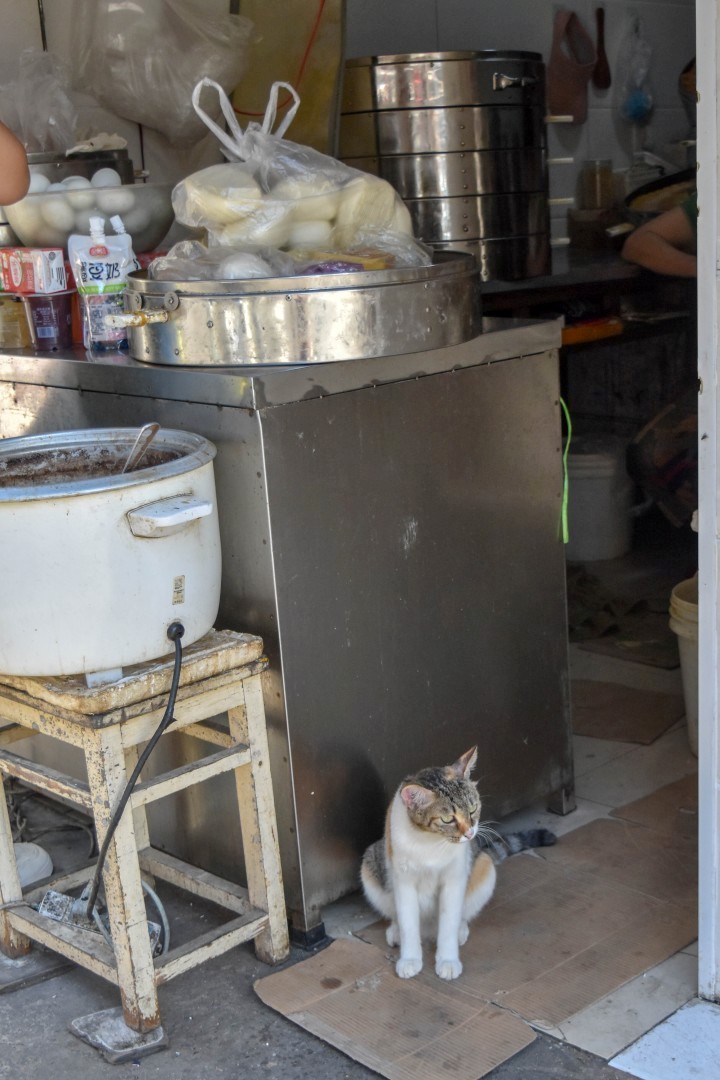
包子 (bāozi) — steamed buns with various fillings
And my noodle?
After a delicious niúròu lěngmiàn (牛肉冷面) the first night, I suddenly got a craving for Chóngqìng xiǎomiàn (重庆小面), the same noodles I cursed in Chongqing because that’s all they had and I was really tired of them.
How to find xiǎomiàn (小面)?
Google Maps? Yeah, no. I can access it with my VPN but Google Maps is shit in China.
I opened Baidu Maps (百度地图), the Chinese answer to Google Maps. It’s entirely in Chinese, of course, with no translation provided. I searched for xiǎomiàn (小面), and sure enough, Baidu found me a place and guided me there. It helps that many streets in Nanjing are named with characters I can actually read.
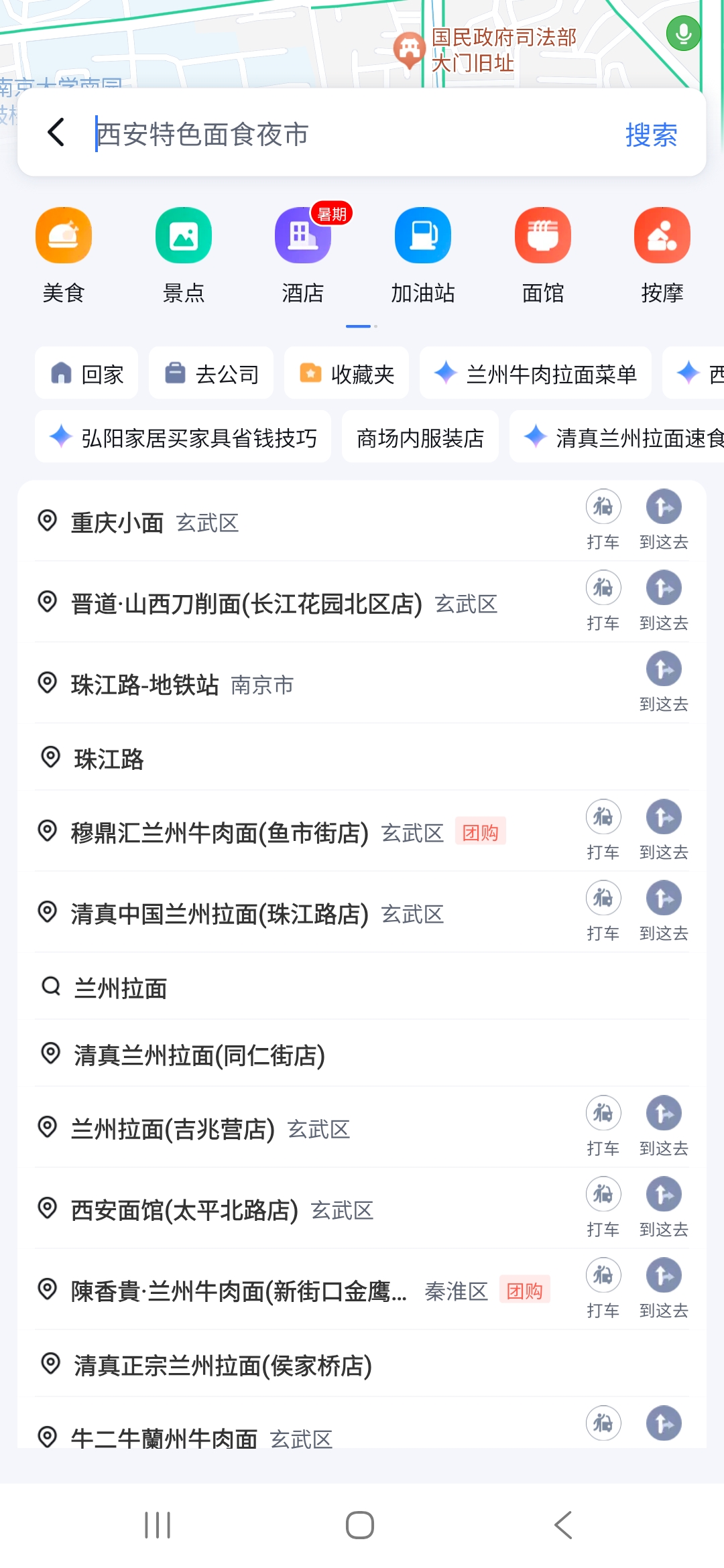


Baidu is great for getting from A to B, but it doesn’t tell you much about the food itself. I wanted to level up my game and actually research what I was eating—from the comfort of my bed or while sitting on the subway. (Look at Chinese people on their phones in the subway: they’re often doing exactly the same thing, browsing their next food destination.)
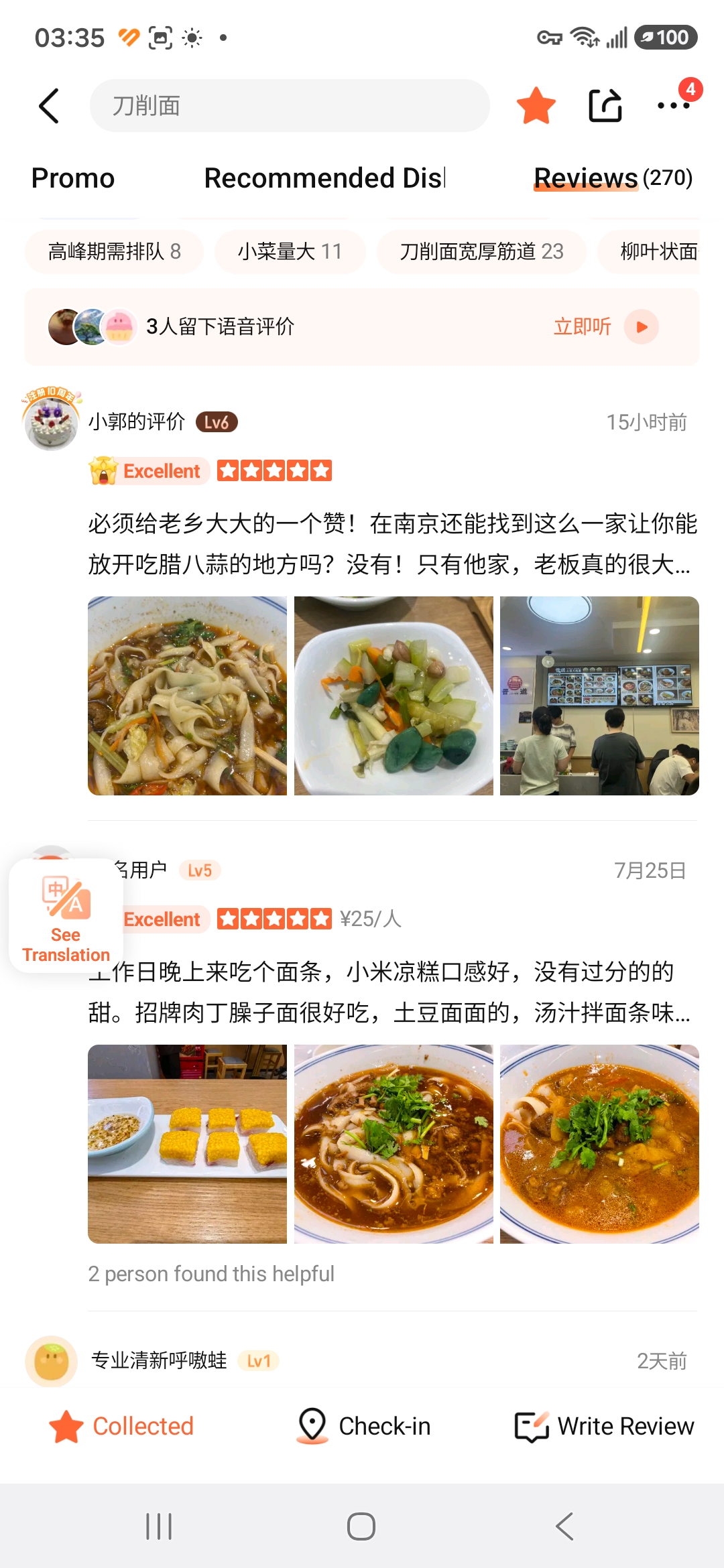
That’s when I installed Dianping (大众点评), China’s food-obsessed review app. A new challenge. I had to figure out the interface, decode menus, and search in Chinese characters. This time, I typed dāoxiāomiàn (刀削面) because it felt like a night for Shanxi knife-cut noodles.
Sure enough, Dianping found me a place—and sent me through a dark alley for my next noodle adventure.
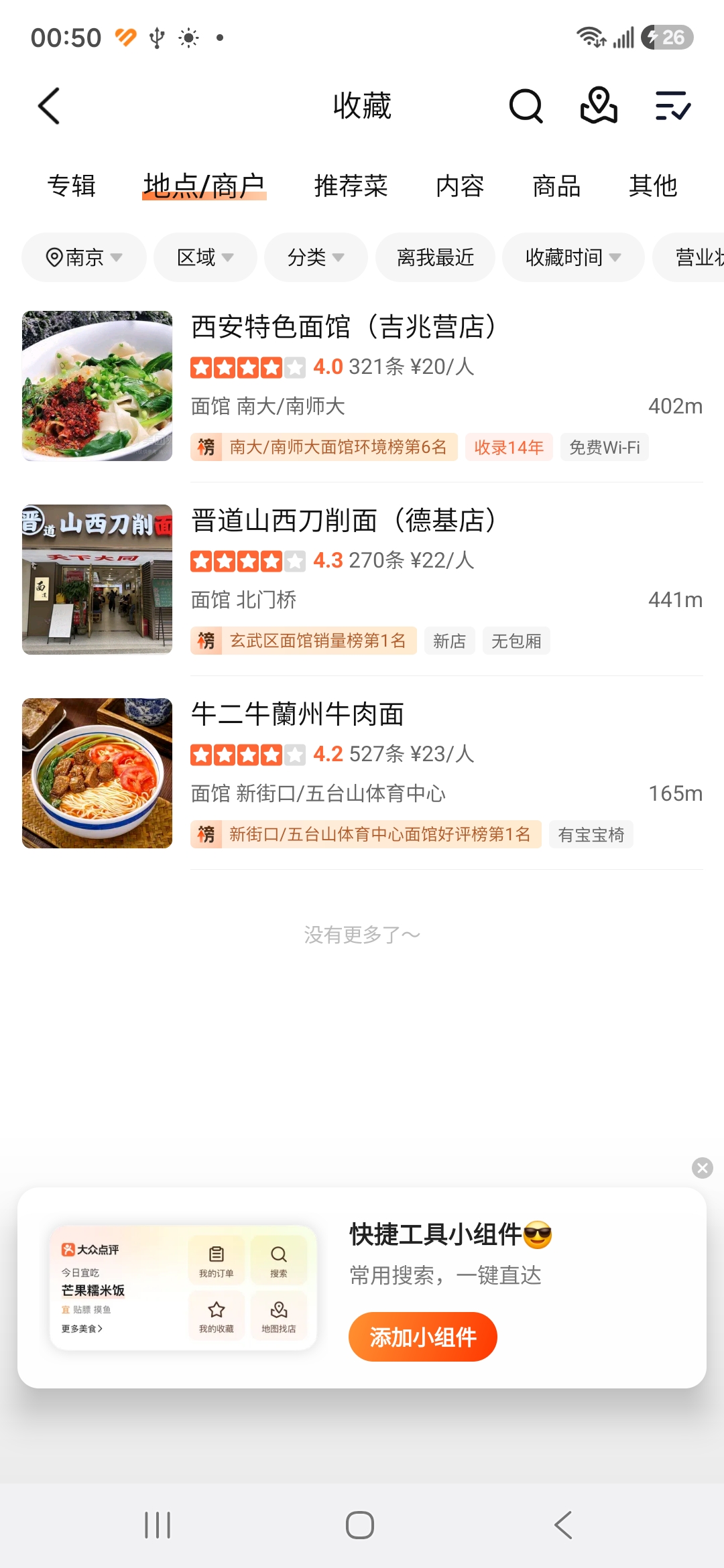
And now that’s what I’m about to eat.




Great title. Sounds like a Nancy Drew book!!
You have enough information in there to keep a foody nerd going for at least a month!
You could eat a different meal every day for years in China! It’s amazing, really.
I would be all about noodles too 😀
A noodle friend! Yay!