
Taking a long-distance bus to go from point A to point B is actually more physically taxing than it seems. Sure, I’m not driving the bus—but it’s not just about sitting in a bus for a few hours either.
The trip starts the night before with packing, a tedious yet eventually satisfying task because I’m folding clean clothes and my entire life fits into a backpack.
Then I have to figure out how to get to the bus terminal. It’s often pretty far from where I’m staying and it’s no coincidence. Most of the time, you don’t want to stay close to a bus terminal because much like border towns, it’s invariably the most chaotic, dirty and noisy neighbourhood.
Taxis are cheap enough in Brazil so that’s my plan A to get to the bus terminal. However, I have to make sure I can actually find a taxi. I’m staying in Airbnb studios usually located in residential areas, so unlike with hotels, it’s not like you have a bunch of taxis waiting around for customers. I developed a strategy. The night before leaving, I go to the nearest ponto de táxi (taxi stand) or any place where taxi drivers congregate—shopping mall, popular restaurants, bars…—and “book” a taxi for the following day. Brazilians are very reliable, my taxi always shows up on time despite the rather informal arrangement.
I’m carrying a 16-kilo backpack and a daypack—good thing I like lifting weight and playing with kettlebells, no one is going to help me. “É pesado!” notes anyone who holds it for a second to place it into the trunk of a vehicle or the lower storage compartment in a bus. I nod. Yes, it’s heavy. Kind of. I can walk with it no problem, it’s the pick up and put down I find exhausting.
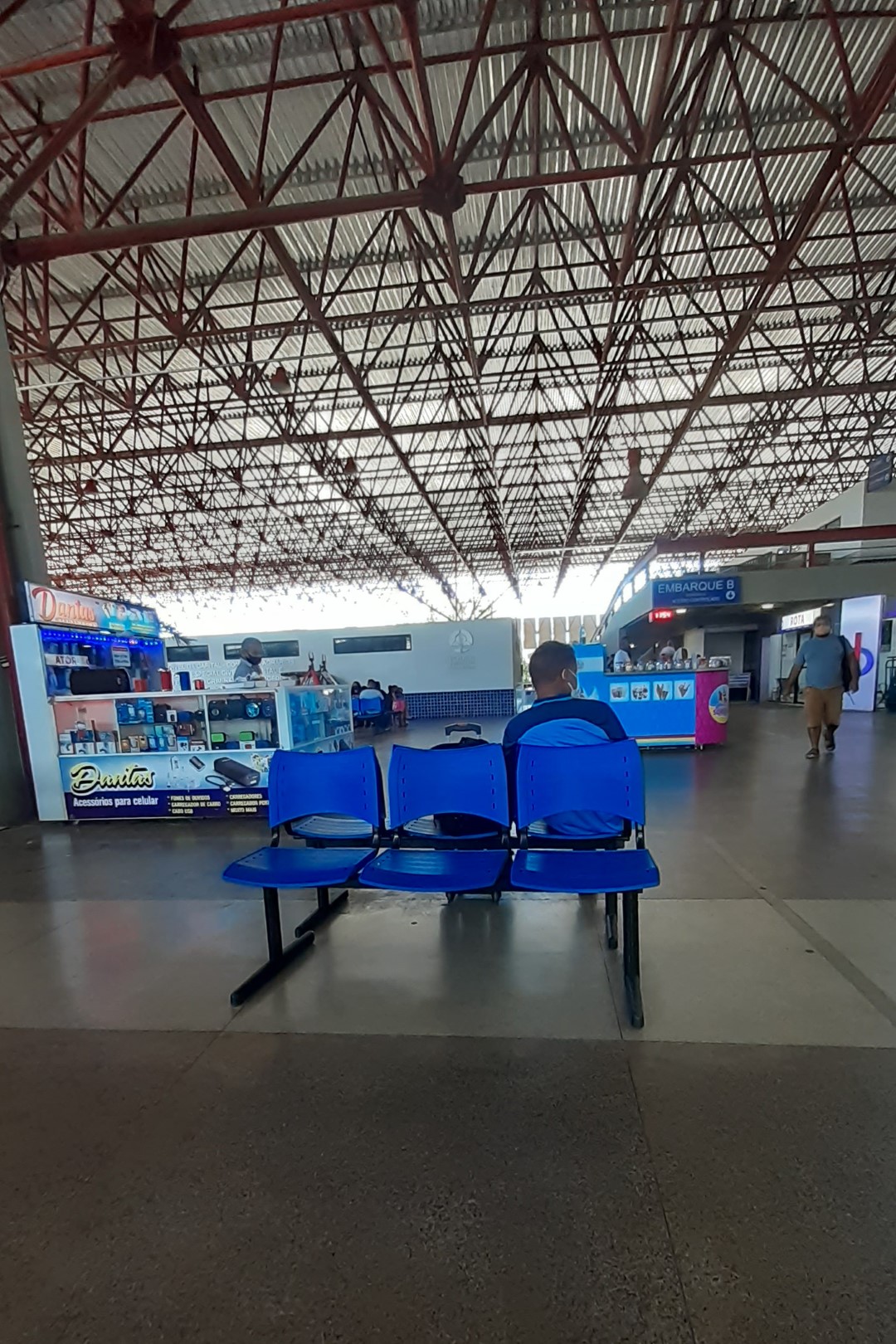
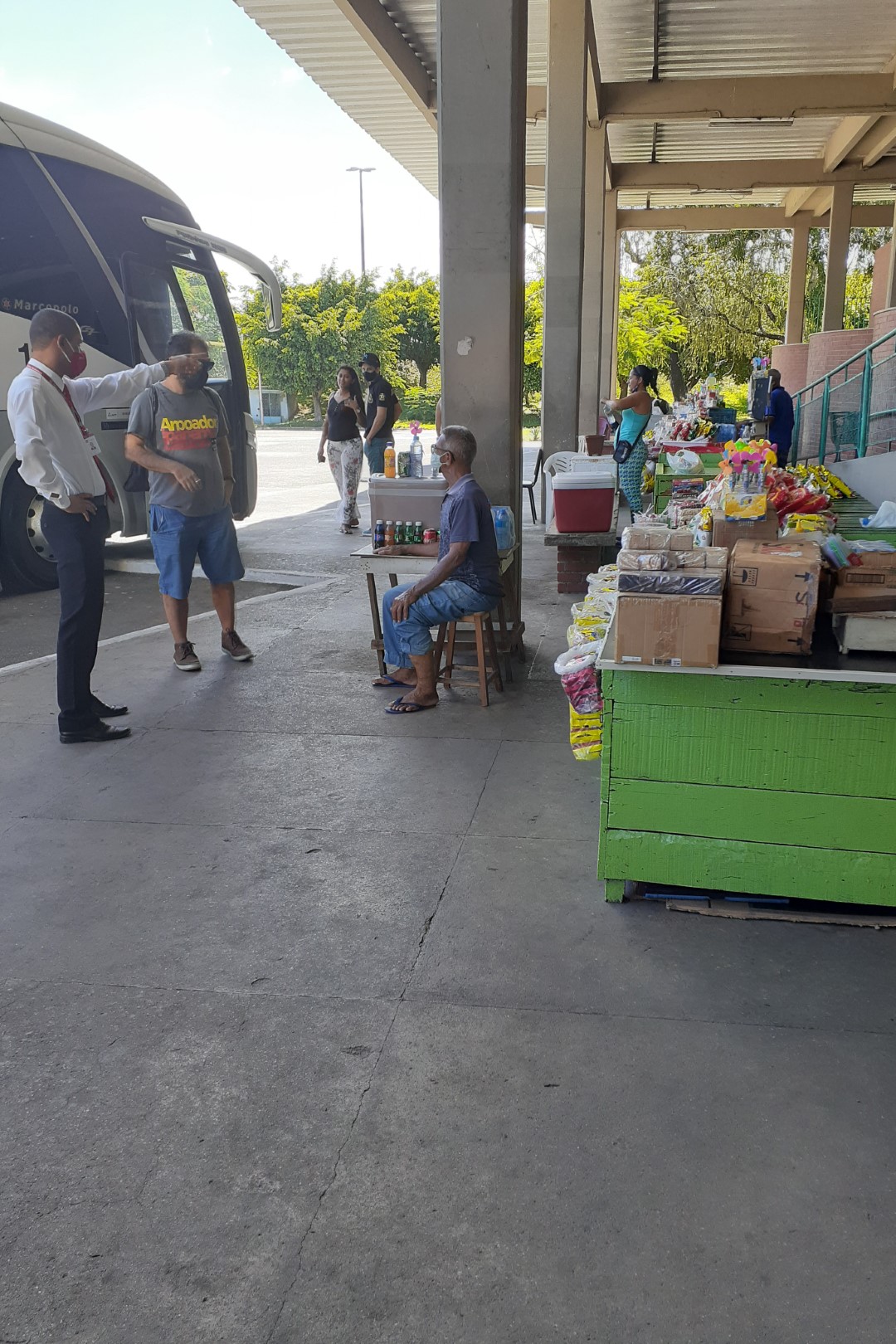
I’m usually a sweaty mess by the time I get to the bus terminal. This is the part where it’s easier to travel with someone else. You can put down your backpack and leave it with your mate—or your kid, Mark is great at watching bags—to go grab a coffee, buy a bottle of water, check where the departure gate is and take a last bathroom break. Obviously, I’m alone and I can’t leave my backpack anywhere so I spill coffee all over me and I’m involuntarily toning my thighs when I stop at the sanitarios. Ever tried to pee with a backpack on your shoulders? Try this two-minute fitness routine, I promise it’s torture.
I can finally hand over my backpack when the bus pulls in. The baggage handler put it into the lower compartment and I’m given a receipt I always throw into my daypack and can’t locate when I need it to pick up my backpack once at destination. Oops.
I can kind of relax in the bus. I’ve been lucky so far, no seatmate except on the bus from João Pessoa to Recife. I clean my seat with wipes but to be fair, buses are pretty clean. If you’re lucky, you also get free Wi-Fi throughout the trip.
This is how, halfway between Maceió and Aracaju, I learned Air Canada was suspending routes and that my flight was cancelled. Palm trees on my right, lost in middle-of-nowhere Brazil, reading CBC. It was weird.
But I didn’t have the time to worry about it yet because first, I had to worry about Aracaju. I was going to arrive at sunset, maybe after sunset the way things were going—roadwork, roadwork and more roadwork, Brazil is very productive during the pandemic.
The bus finally arrived shortly before 6 p.m. I grabbed my backpack and exited the bus terminal to find a taxi. I was lucky, the driver knew Aracaju very well and found the condo right away with two clues—“right side of the lighthouse, in front of the Bar Do Alves.” This is how you give directions in Aracaju.
No time to relax or worry about the “too bad, we’re cancelling your flight and not offering any option” email I had just received. I still had to rush to the supermarket, find food, unpack, figure out the Airbnb quirks, reply to work emails, take a shower, call Feng and Mark…
Holy shit, I’m tired.



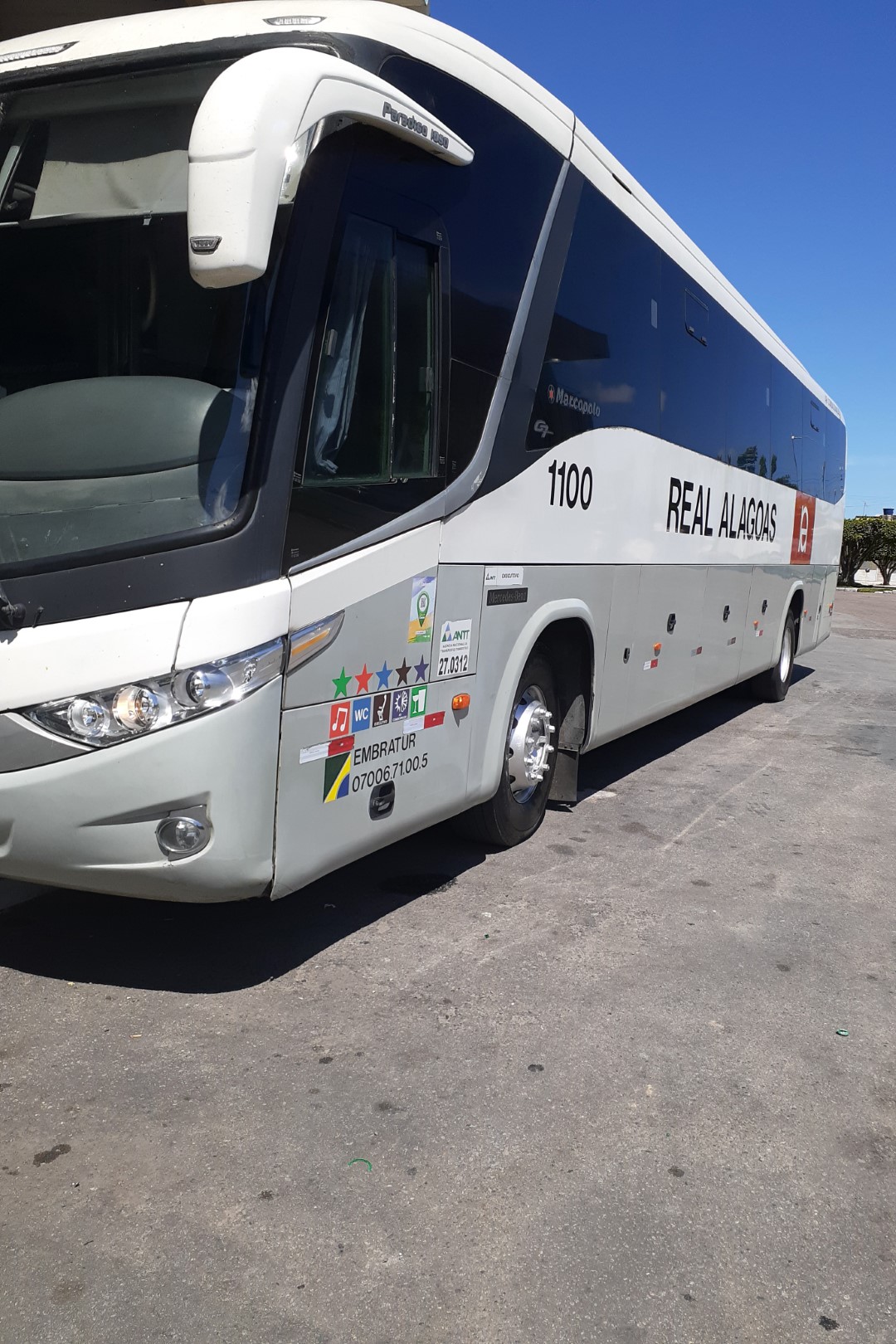



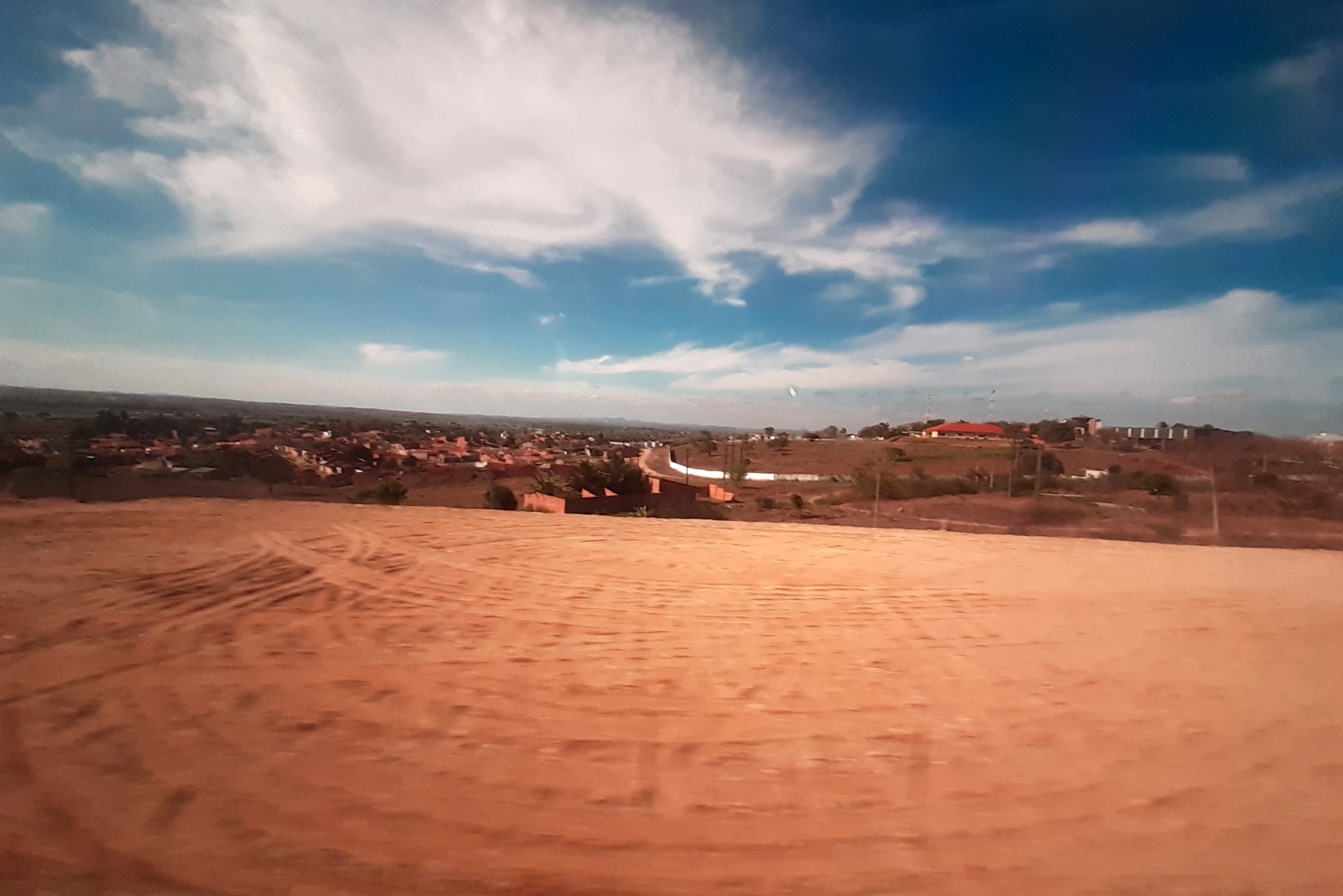


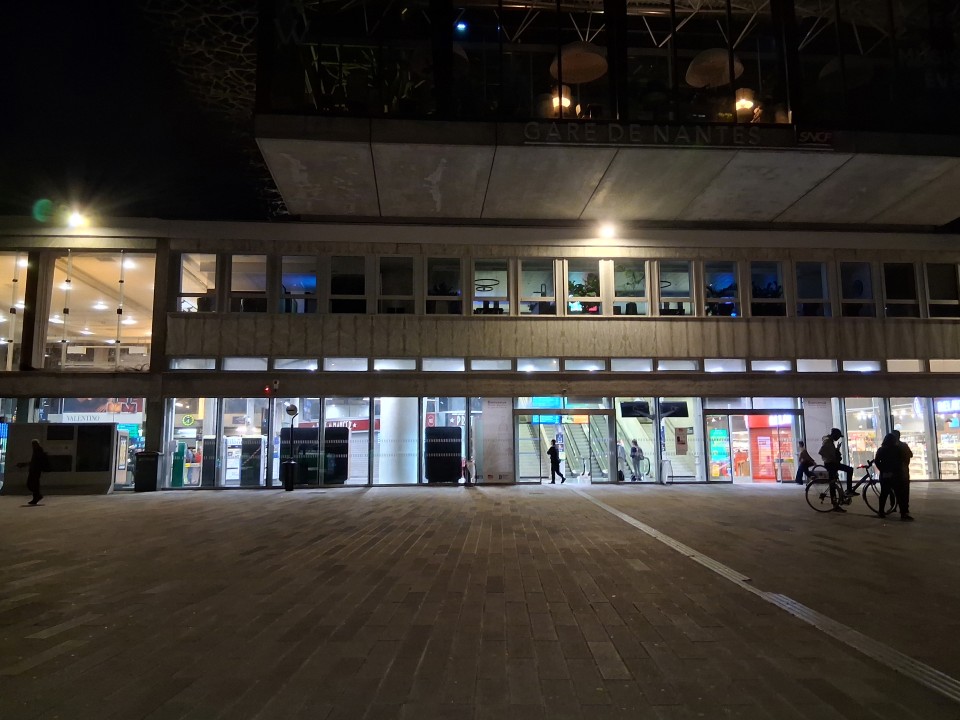
Mais c’est quoi cette ‘tite merde ? L’autre jour, tu avais un bus à 2 étages et 4 essieux qui avait nettement plus de gueule.
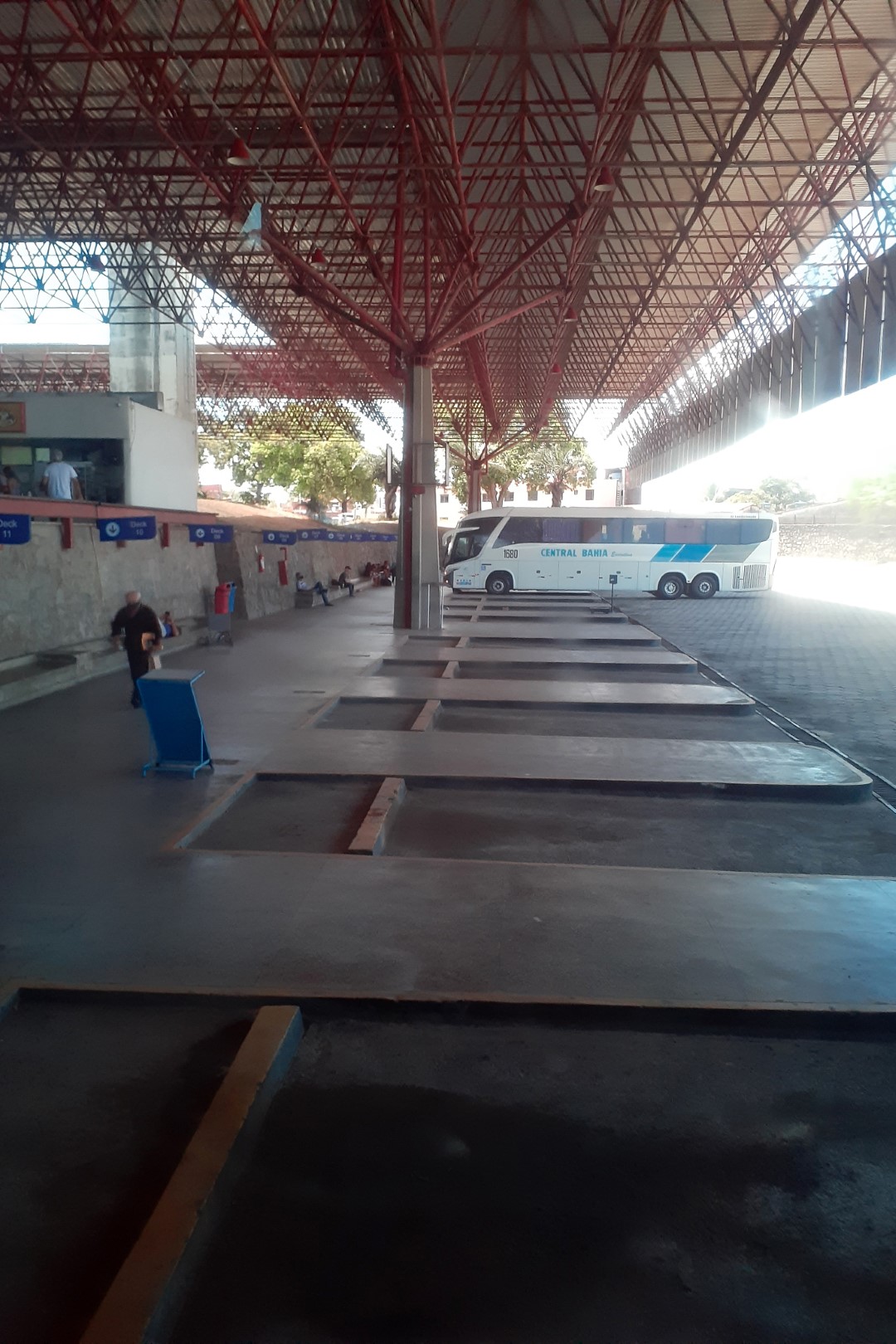
La logique des bus m’échappe un peu au Brésil. La plupart restent quand même super modernes, mais j’ai pas beaucoup de bus à deux étages dans le nord-est. Ah si, j’en ai vu un… mais pour aller à Sao Paulo, 36 heures de voyage, quand même…
Bon, sinon, tu prends combien pour me cacher dans ton camion et me faire traverser la frontière? 😉
Hé, hé hé … Le prix d’un B-train d’occase, peut-être ? J’en ai vu un ‘achement bien à 38000 CAD.
Tiens, on parle de tester même les camionneurs et camionneuses qui passent la frontière, dans les 2 sens. Ça va être compliqué à gérer, j’ai l’impression.
Si vraiment ça devenait galère, je m’arrangerais pour rester au Canada. En achetant un B-train.
Je plaisante, évidemment, je n’irais jamais te mettre dans la galère. Mais ceci dit, il va quand même falloir que je trouve un moyen de rentrer au Canada et comme l’enfermement (dans un hôtel ou centre) m’est impossible, la frontière terrestre me semble la seule solution. Aucun problème pour me faire tester, ça c’est normal. Apparemment vous seriez exemptés d’après ce que je vois aujourd’hui…?
Ça n’a pas été très clair, ce matin.
Ce que j’ai compris : les gens qui traversent la frontière terrestre doivent avoir un test négatif datant de moins de 72 heures et doivent se confiner chez eux. Les personnes considérées comme travailleuses essentielles comme moi sont exemptes de ces obligations pour le moment.
Bientôt, des tests seront effectués à la frontière, et là, il est possible que tout le monde doive s’y soumettre, mais ça dépendrait en partie d’un accord avec les États-Unis pour qu’il y ait réciprocité des mesures.
Il faut noter que 95% du trafic entrant aux frontières terrestres du Canada est considéré essentiel, mais je ne sais pas si il y a des chiffres de transmission du virus par celui-ci.
Sinon, tu ne peux pas envisager d’aller chez ta mère pour quelques semaines ? Je dois admettre que je ne sais pas quelles sont les restrictions pour aller là-bas. Et il ne faudrait pas que ça te revienne encore plus cher.
Encore une fois, je trouve incohérent de verbaliser les gens qui reviennent de l’étranger alors que les mesures n’étaient pas encore en place et dans le même temps laisser les gens voyager entre régions à l’intérieur d’une province.