
Remember when I was stuck in Brazil, and then in Nantes during the second year of the pandemic? That’s when I truly rediscovered France as an adult.
Although I never cut ties with my birth country, I spent my twenties and most of my thirties figuring out Canada and travelling. It kept me busy. I was rarely homesick—why should I have been? Canada was my new home; I chose it, damn it!
So before accidentally spending almost six months in Nantes in 2021, France was just the place where I grew up, where many people I care deeply about live, and where I travelled once a year—alone at first, then with Feng, and eventually with baby Mark.
But during the pandemic, I suddenly realized how complicated my daily Canadian life was compared to my French life.
I’m still not sure what happened. Part of it is me, I guess. I must have changed—twenty-year-old me was just working nonstop, grateful to have jobs and career opportunities I wouldn’t have had in France, but thirty-year-old me needed help and guidance with baby Mark, and forty-year-old me has no patience left for the unreasonably high cost of living and many cultural aspects of life that remain foreign to me. Canada has changed a lot as well over the past few years, and not for the better.
And here I am in France again, wondering why Canada doesn’t steal these awesome French ideas!
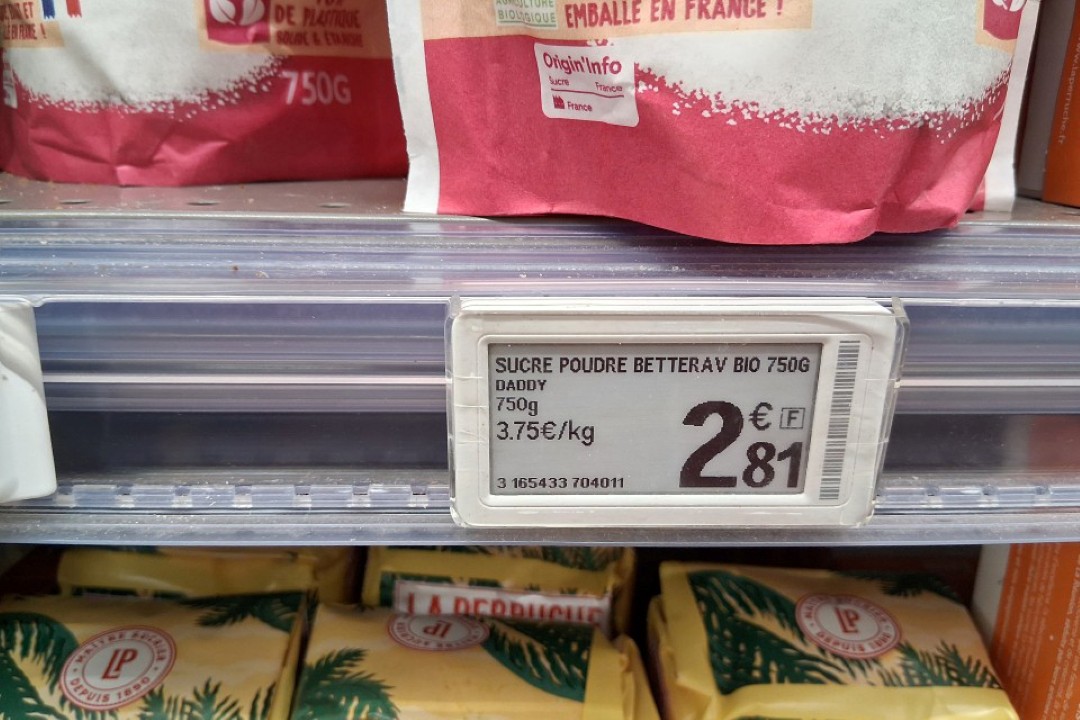
Unit pricing
By law, in France, all item prices are given using a standard measure—weight, volume, or quantity—to make it easy to compare value.
In Canada, bilingual labels are always a fun linguistic moment, but there is no mandatory requirement to post per-unit pricing information (except in Quebec, I think).
This lack of standardization is baffling and creates interesting math problems in stores. Basically, it’s almost impossible to compare prices quickly because there’s no quick reference on the shelf tag—good luck working out the unit price yourself with the “item price ÷ item size” formula when some items are priced by weight while others are sold by size, or when the same product can be measured in grams or millilitres.
Grocery prices and shrinkflation are out of control in Canada these days. Unit pricing would help us avoid getting ripped off even more.


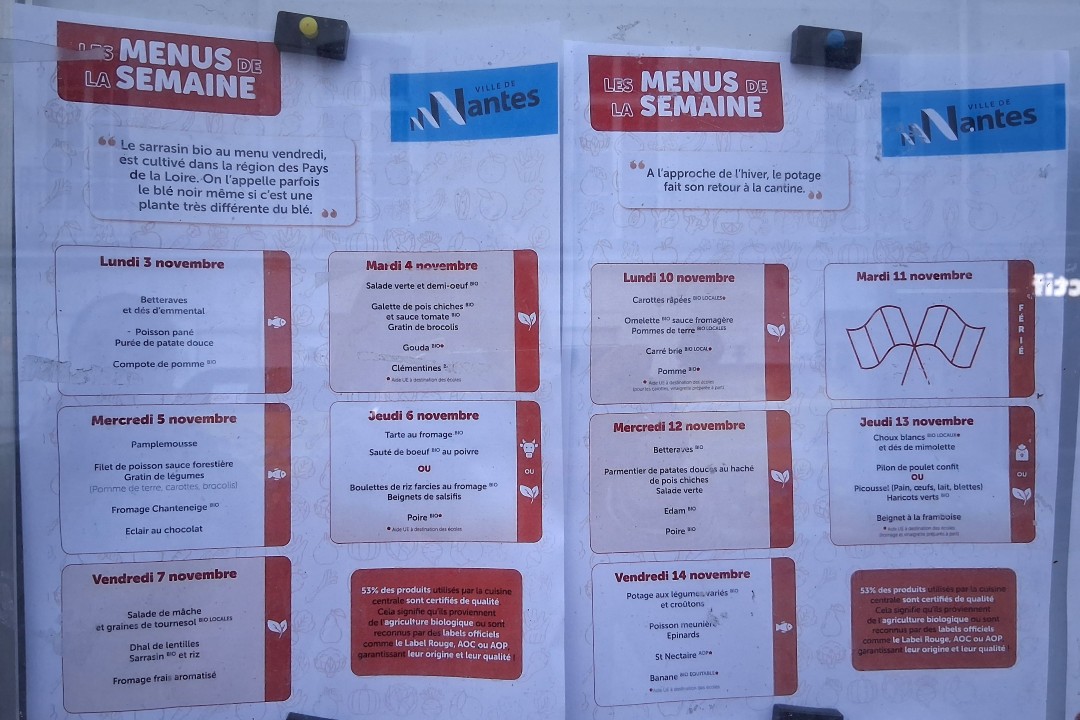
A school lunch program
At noon, French kids go home, roam around the city with friends and a sandwich in hand, or eat lunch at “la cantine.”
You’ve probably heard that the French take food seriously, and it starts in kindergarten. Kids get a 60- to 90-minute lunch break at noon, and eating at “la cantine”—the dining hall where the French school lunch program is served—is a popular option. For around €3 (subsidies available), kids are offered a freshly prepared three-course meal with two options. By national law, it must include a main course, a side dish, a dairy product, and a starter and/or a dessert. There’s a weekly vegetarian meal, and food is invariably local or organic—the goal is to foster healthy eating habits, socialize, and learn table manners.
I discovered the lunch box tradition in Canada, where kids must bring their own lunch for their very short break. I used to make amazing lunch boxes when Mark was in daycare. Things got harder when he started school—no microwave to warm up food, a long list of banned items because of allergies (eggs, all nuts, etc.), and a very short lunch break taken in the classroom.
I also suddenly realized there’s an entire range of questionably healthy or tasty food products to fill lunch boxes—Goldfish crackers, cheese sticks, pudding cups, and vegetable sticks kids won’t eat.
Mark’s school did make a deal with a local pizza joint, so on Thursdays it’s pepperoni or cheese, handed out by “we NEED more PARENTS to volunteer on PIZZA DAY!” (Yes, Mark’s principal writes like Trump on Truth Social.) Sigh.
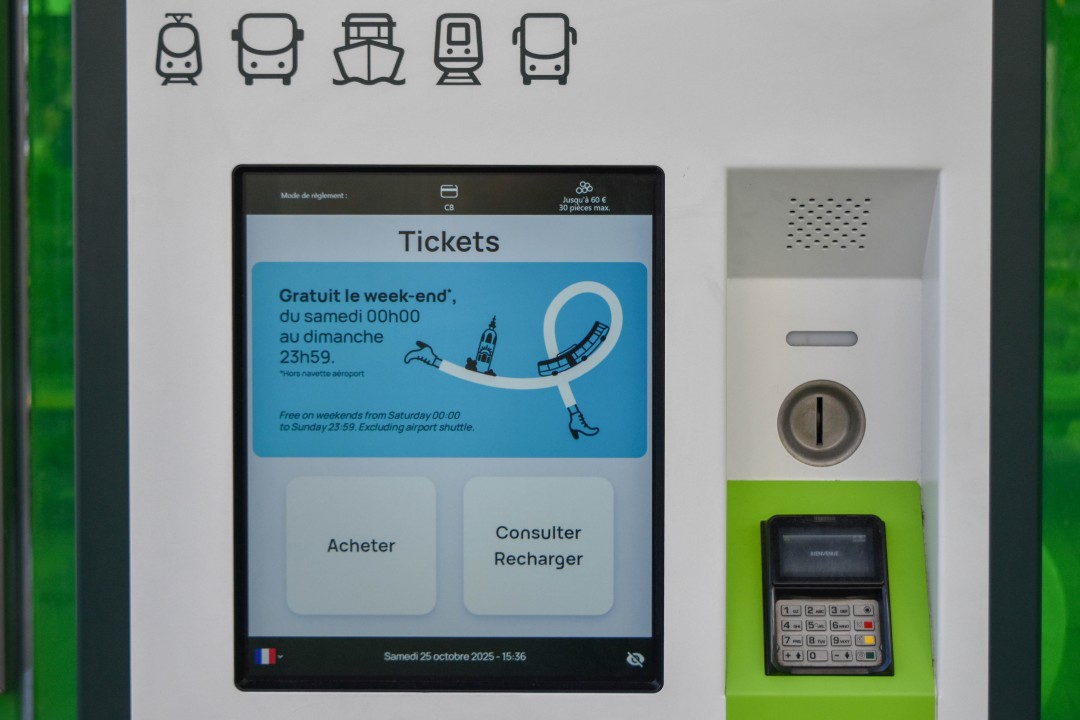
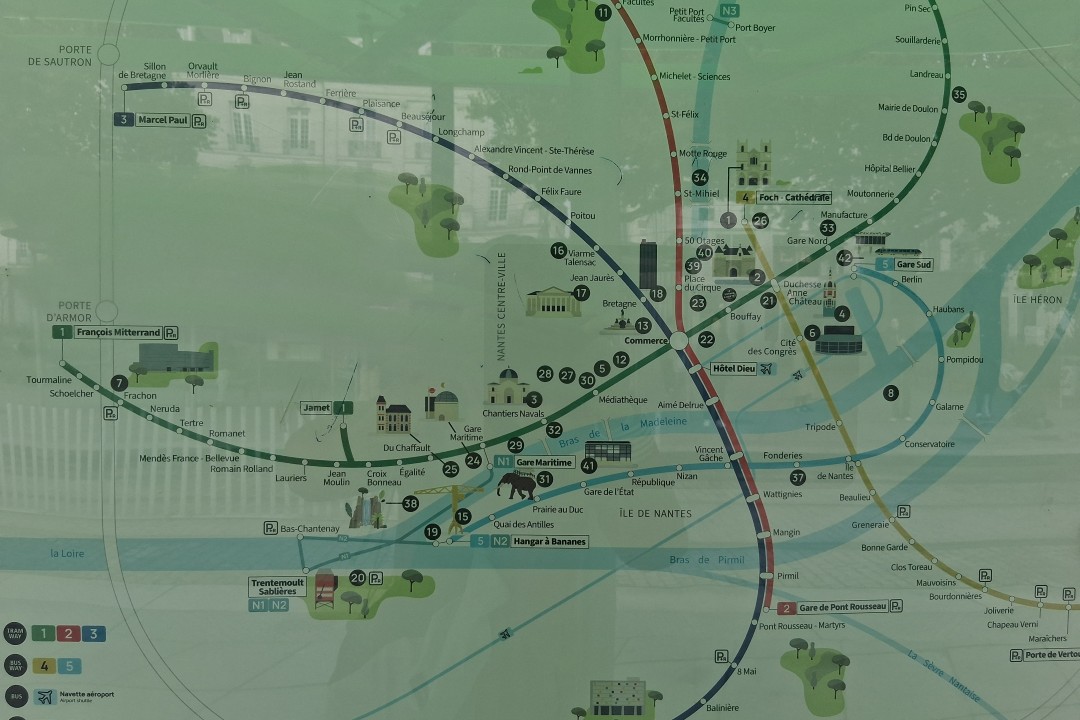
Decent public transit, free on weekends
My mum complains when she has to wait more than ten minutes for the tramway. Meanwhile, when I was working on Parliament Hill, I used to leave an hour before my scheduled bus because the official schedule was merely a suggestion—every couple of days, the bus simply wouldn’t show up or would drive past (frozen) me, and the next one was forty minutes later.
This is why I started to walk everywhere, by the way.
Every French city has a very good public transit system—buses, tramways, subways, you name it. And of course, regional or high-speed trains can take you pretty much anywhere.
Bonus: many European cities have made public transit free on weekends.
In Canada, I’m quickly stuck without a car. Ottawa’s bus system is both expensive and unreliable—I gave up on it a few years ago after giving it a chance for fifteen years. VIA Rail is great for the “travelling across Canada” bucket list, but it’s not the kind of train you just jump on to spend the weekend in Toronto. As for Greyhound, it shut down all intercity bus services in Canada during the pandemic.
In Canada, I miss the freedom of hopping on a tram or train and being somewhere new an hour later.


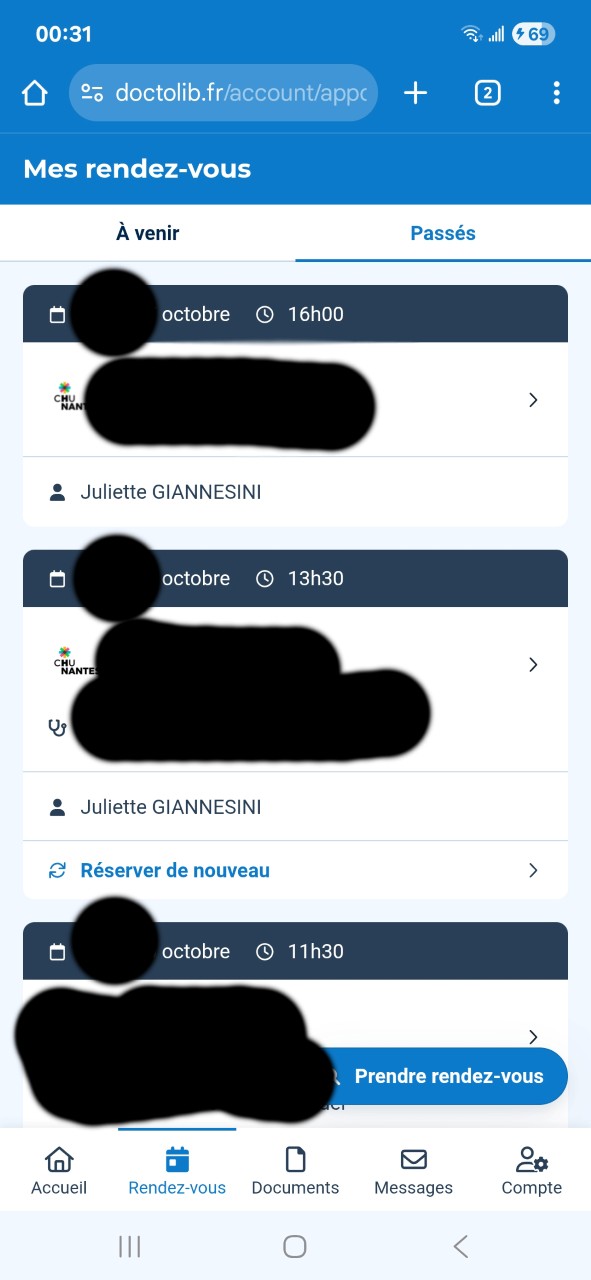
Doctolib, to book medical appointments easily
We’re yet another Canadian family without a family doctor. When Mark was discovering the concept of germs in daycare, the only way to see a doctor was to spend a few hours waiting at one of the walk-in clinics for five minutes face-to-face with a doctor—one question max per appointment.
Need to see a gynecologist, for instance? You need a referral. Back to the walk-in clinic.
In France, there’s Doctolib, the most popular free app for all your medical appointments. Just enter your city and the type of doctor, laboratory, or specialist you’re looking for, and get access to over 420,000 healthcare professionals. Doctors usually have their picture, a short bio, and fees listed if not covered by the French healthcare system, plus accessibility options and more.
Doctolib is the easiest way to book, cancel, or reschedule an appointment—I use it all the time because now I’d rather pay out of pocket to see doctors in France than try to access the Canadian healthcare system.
The French healthcare system is also under strain, and it’s far from perfect, but at least there’s an easy way to see doctors and specialists.

Come on, Canada—you can do better!



Est ce que tu restes principalement à Nantes ou tu vas explorer un peu d’autres endroits en France cette année ?
Je suis là pour autre chose principalement, donc c’est pas vraiment un voyage. Je bouge la journée, day trips 🙂